


Industry news


View: 582

Release time:2026-03-20
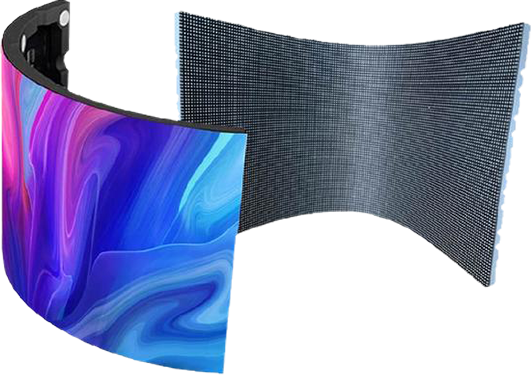
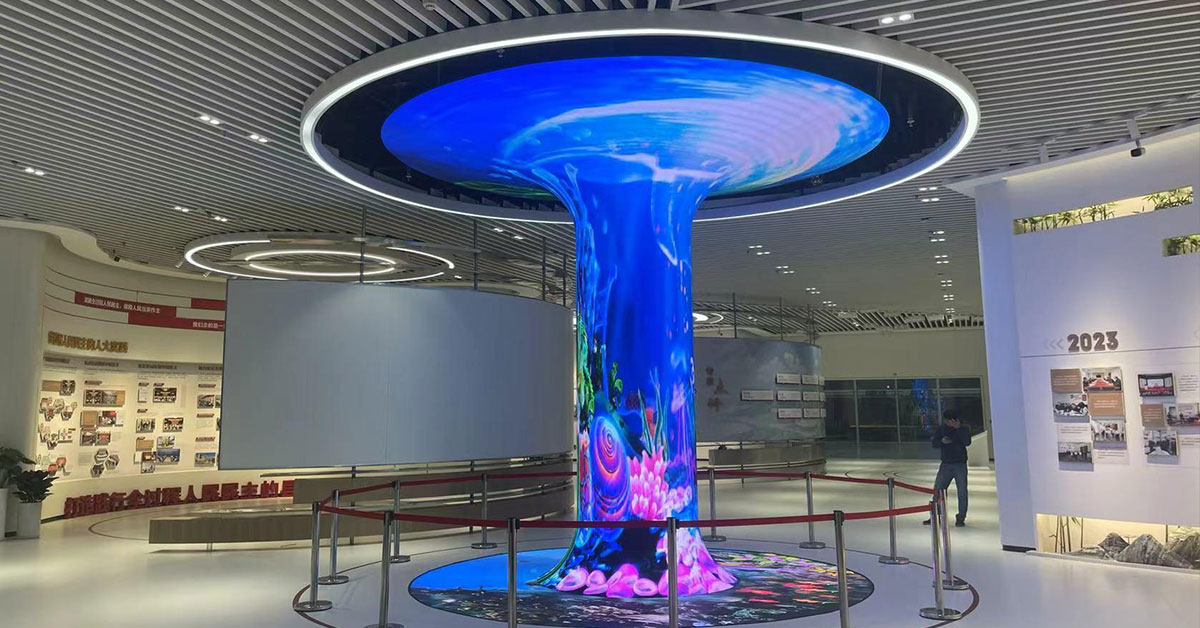
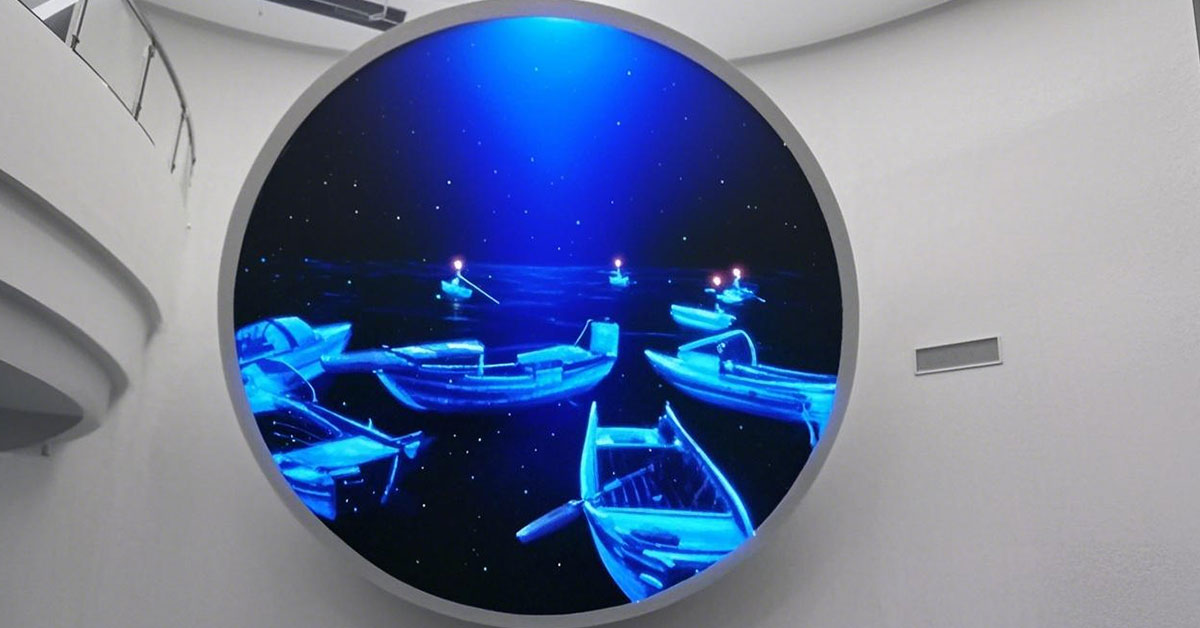
A curved LED display refers to an LED screen whose surface is intentionally bent inward (concave) or outward (convex) instead of remaining flat. By physically shaping the display into a curved form, designers can enhance both visual experience and spatial aesthetics.
Curved LED screens have become increasingly popular in environments such as broadcast studios, exhibitions, control rooms, retail spaces, and immersive entertainment venues. Their unique structure not only improves viewing comfort but also creates a stronger visual impact.
Below are several key characteristics that make curved LED displays stand out.
One of the biggest advantages of curved LED screens is their ability to create a more immersive viewing experience.
The human retina naturally has a spherical shape. Because of this, a curved display better matches the natural structure of human vision. When viewers look at a curved screen, the distance from different points on the screen to the viewer’s eyes becomes more consistent.
As a result:
· edge distortion decreases
· image stretching becomes less noticeable
· the overall picture feels more natural
At the same time, the curved shape surrounds the viewer’s field of vision. This design produces a stronger sense of depth and immersion, especially in large display environments.
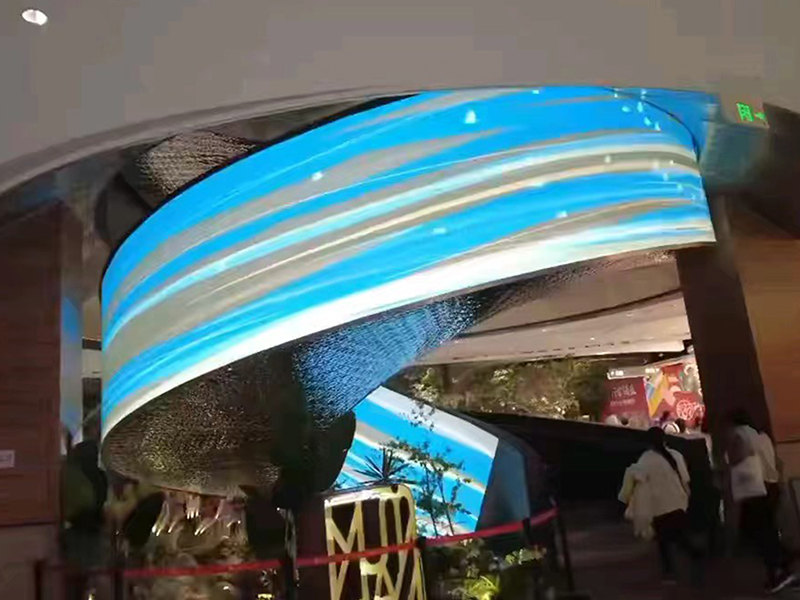
Curved LED screens can also improve the perceived viewing field.
At an appropriate viewing distance, the curved structure expands the viewer’s visual coverage and reduces reflections along the screen edges. Even when viewers stand slightly to the side, they can still see the content clearly.
This advantage becomes particularly valuable in environments such as:
· exhibition halls
· command and control centers
· conference rooms
· stage backdrops
In these spaces, audiences often view the screen from different angles. A curved display helps maintain a consistent visual experience.
Beyond visual performance, curved LED displays also offer strong architectural and aesthetic value.
Their flowing, streamlined shape often conveys a sense of technology, modernity, and sophistication. For this reason, designers frequently use curved LED walls in:
· commercial showrooms
· brand experience centers
· luxury retail stores
· corporate lobbies
The curved structure naturally attracts attention and creates a powerful visual focal point.
Curvature is one of the most critical parameters when designing a curved LED display. It directly affects viewing distance, immersion, and overall visual comfort.
Curvature is typically expressed using the unit R, which represents the radius of the arc that forms the screen.
For example:
· 4000R means the screen forms part of a circle with a 4-meter radius
· 1500R means the radius is 1.5 meters
In simple terms:
· Smaller R value → stronger curvature → stronger immersion
· Larger R value → gentler curve → closer to a flat screen
Choosing the right curvature is essential because it determines how natural the image appears to viewers.
 +86 18688923792
  andy@tosled.com