
Industry news


View: 317

Release time:2026-03-20
Although curved displays improve immersion, an unsuitable curvature can sometimes cause visual discomfort. Fortunately, several practical adjustments can solve these issues.
Viewing distance plays a major role in how a curved screen appears.
If viewers sit too far away from a highly curved screen, the image may appear distorted—almost like looking through a convex lens.
To fix this issue, move closer to the display. Small-radius curved screens are designed for short viewing distances, typically between 0.5 and 1 meter.
When the viewer sits at a distance close to the screen’s curvature radius, the image appears balanced and natural.
If viewers sit too close to a screen with a large curvature radius, the center may appear slightly protruding while the edges become harder to see.
In this situation, moving slightly farther away improves the viewing experience. A greater distance allows the entire screen to fit comfortably within the viewer’s field of vision.
Different environments require different curvature designs. Choosing the right curvature based on the use case helps optimize both viewing comfort and functionality.
· Recommended curvature: 1500R or 1000R
· Viewing distance: 0.5–1 meter
· Key advantage: strong immersion for a single viewer and reduced eye movement.
· Recommended curvature: 3000R–4000R
· Viewing distance: 2.5–4 meters
· Key advantage: balances immersion with comfortable side viewing.
· Curvature: customized depending on architecture
· Viewing distance: varies by environment
· Key advantage: integrates with building structures and creates strong visual impact.
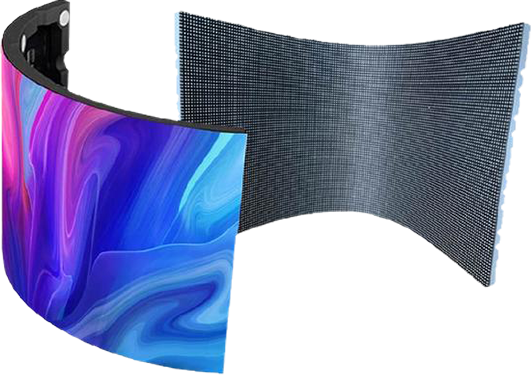
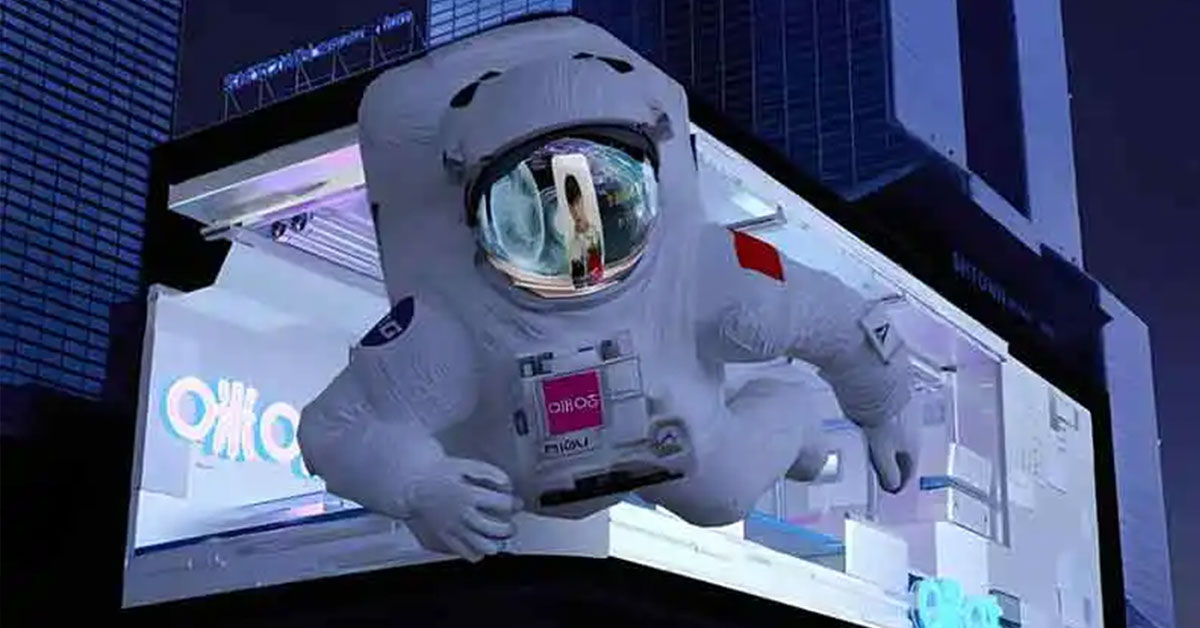
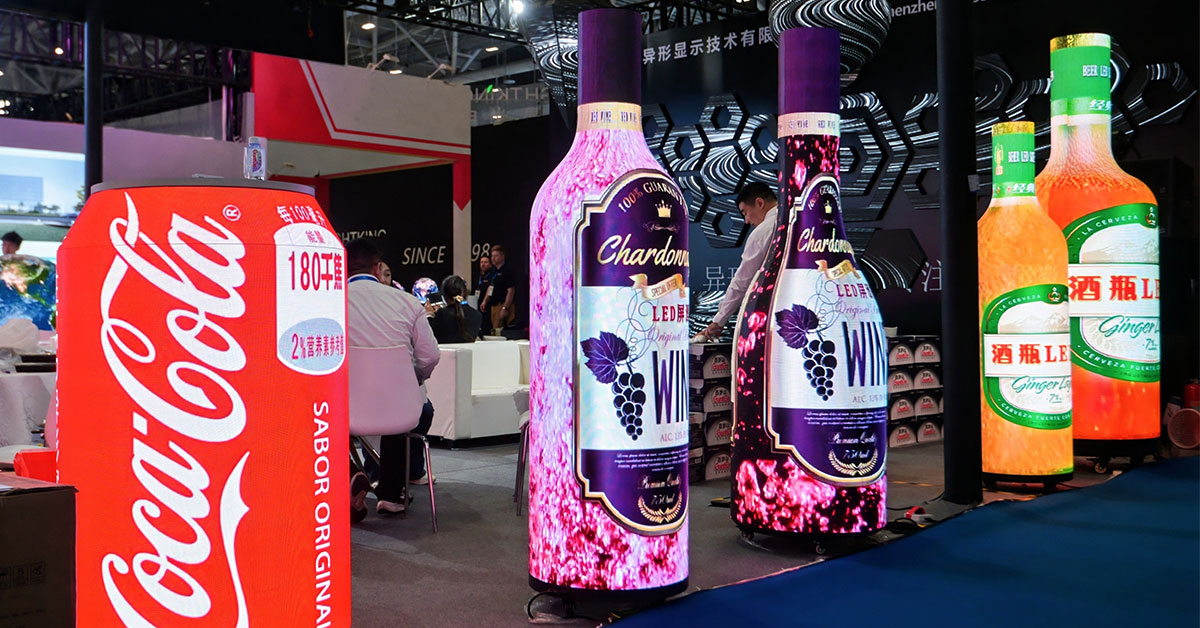
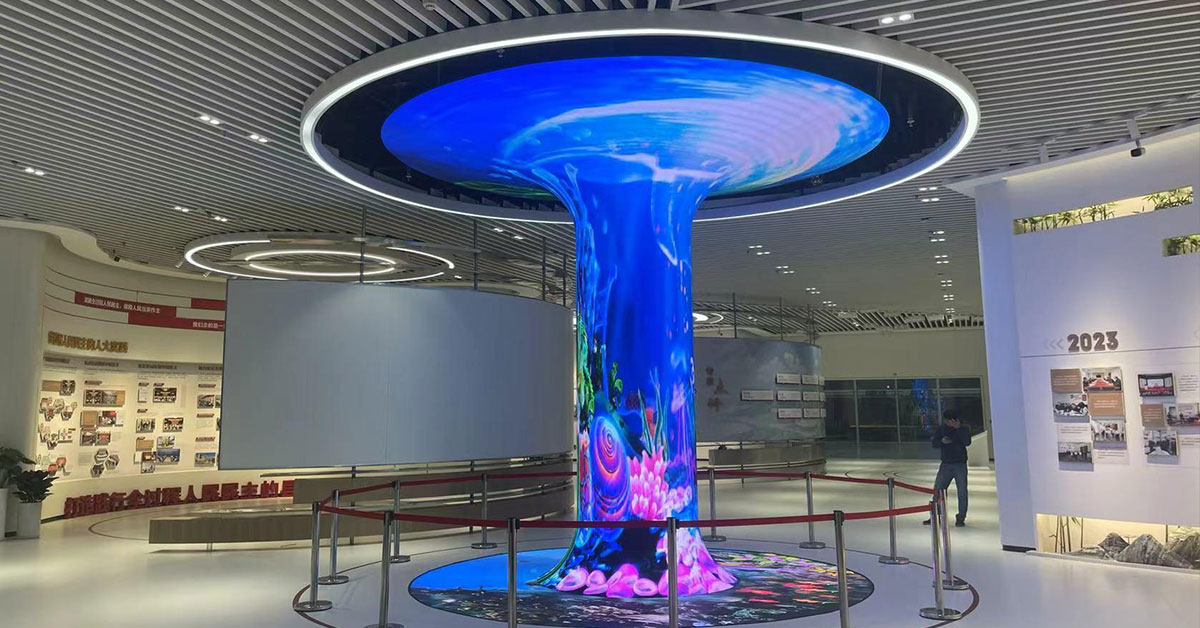
Many commercial projects use custom curved LED structures to match architectural designs.
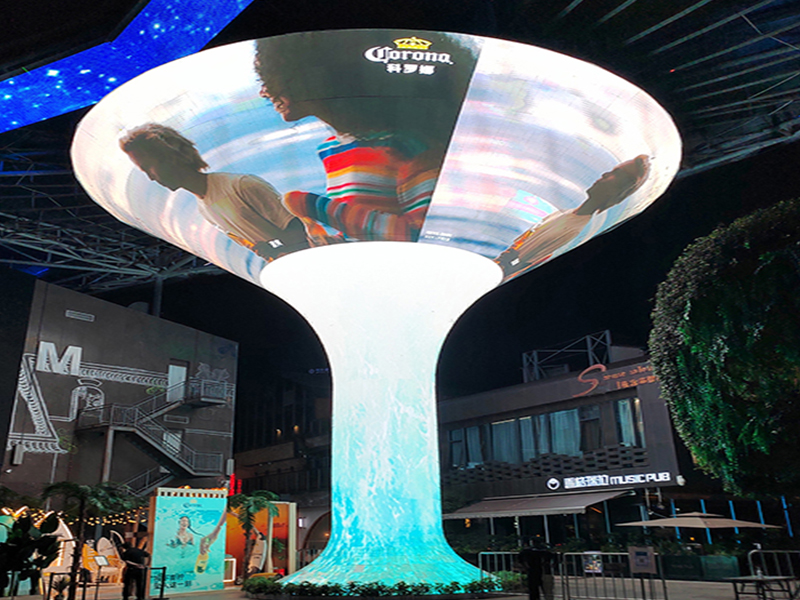
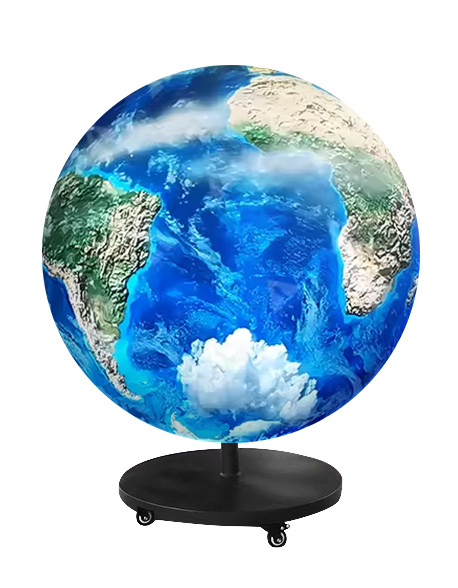
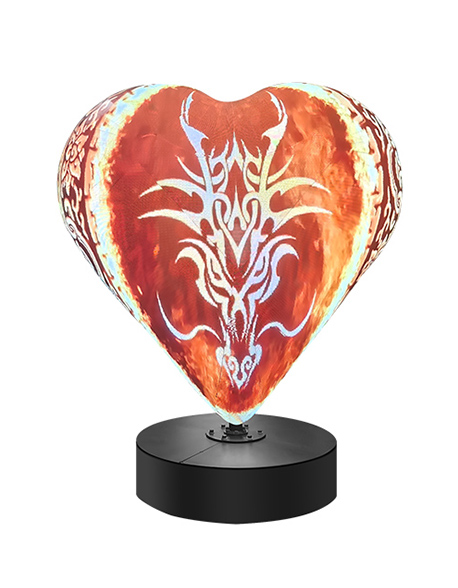
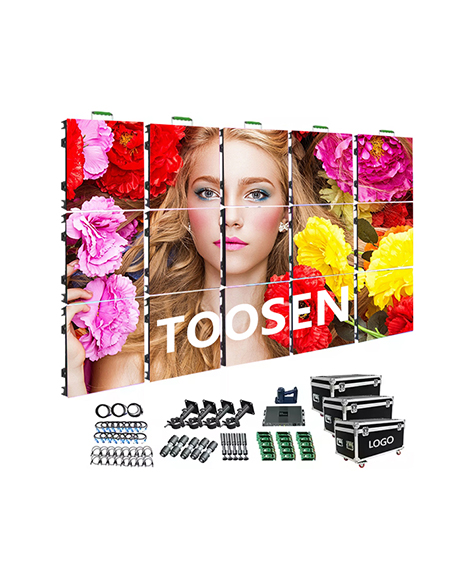
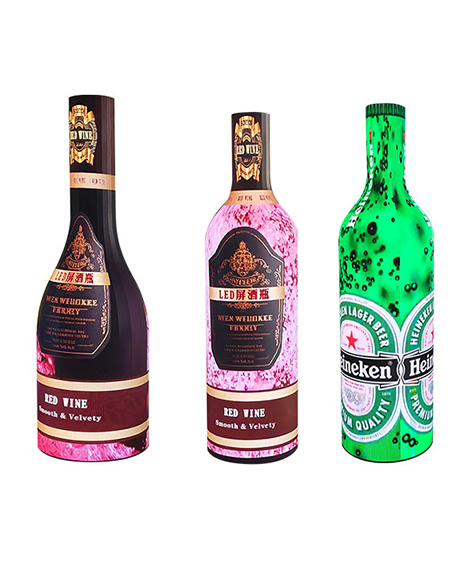
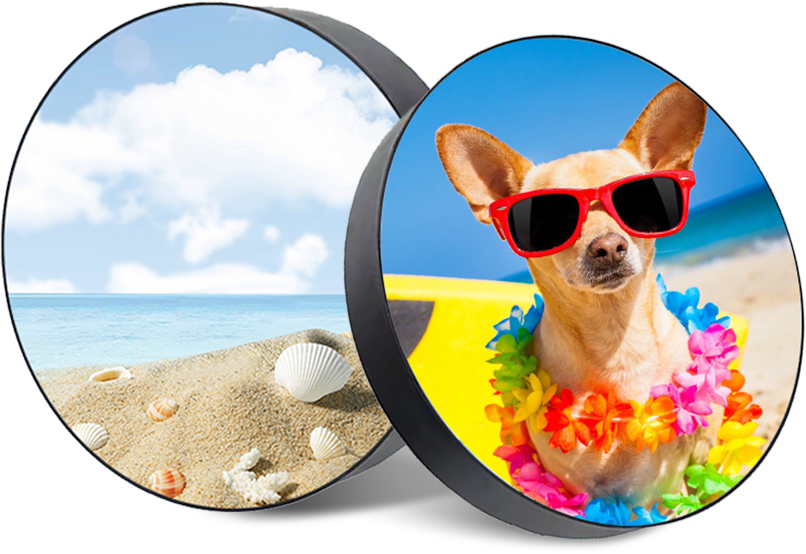
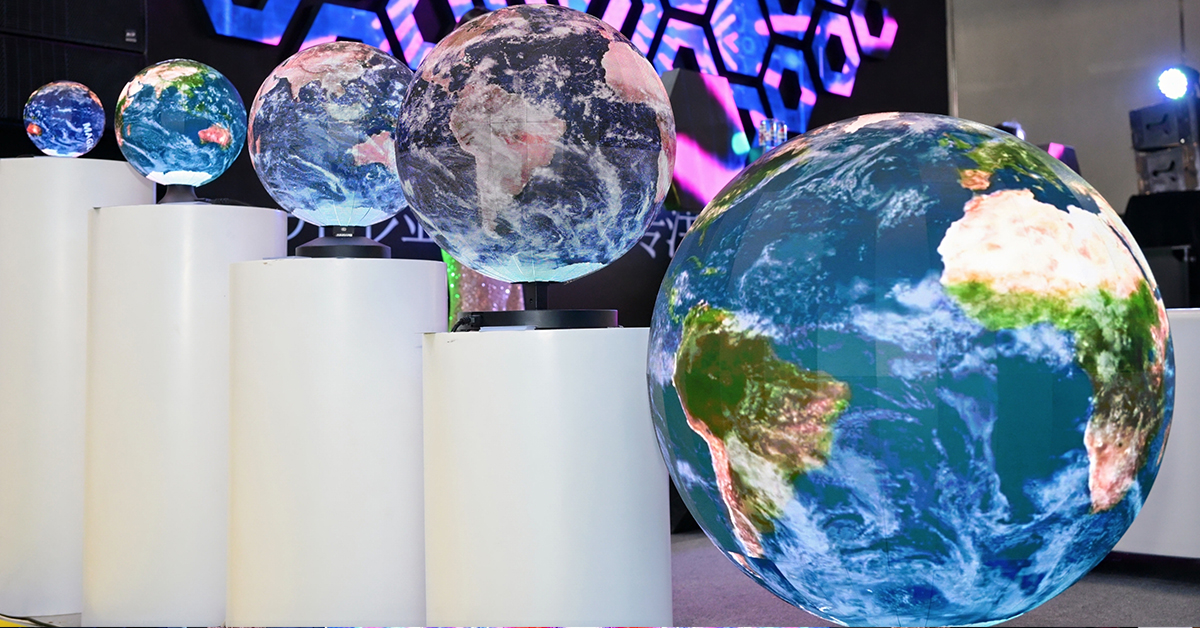
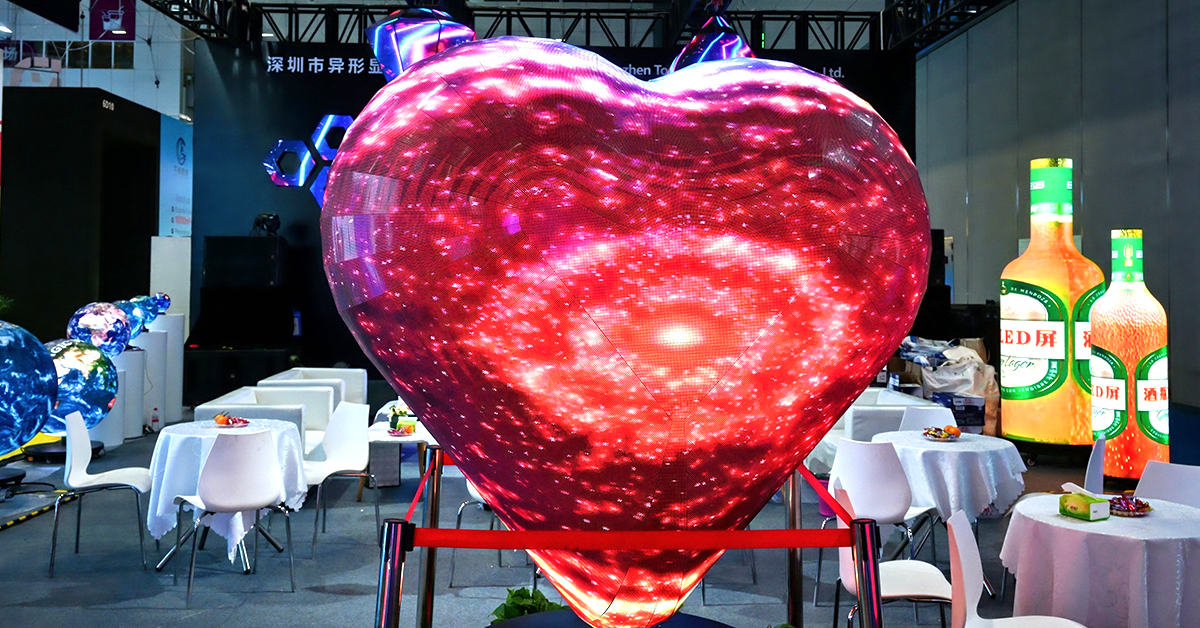
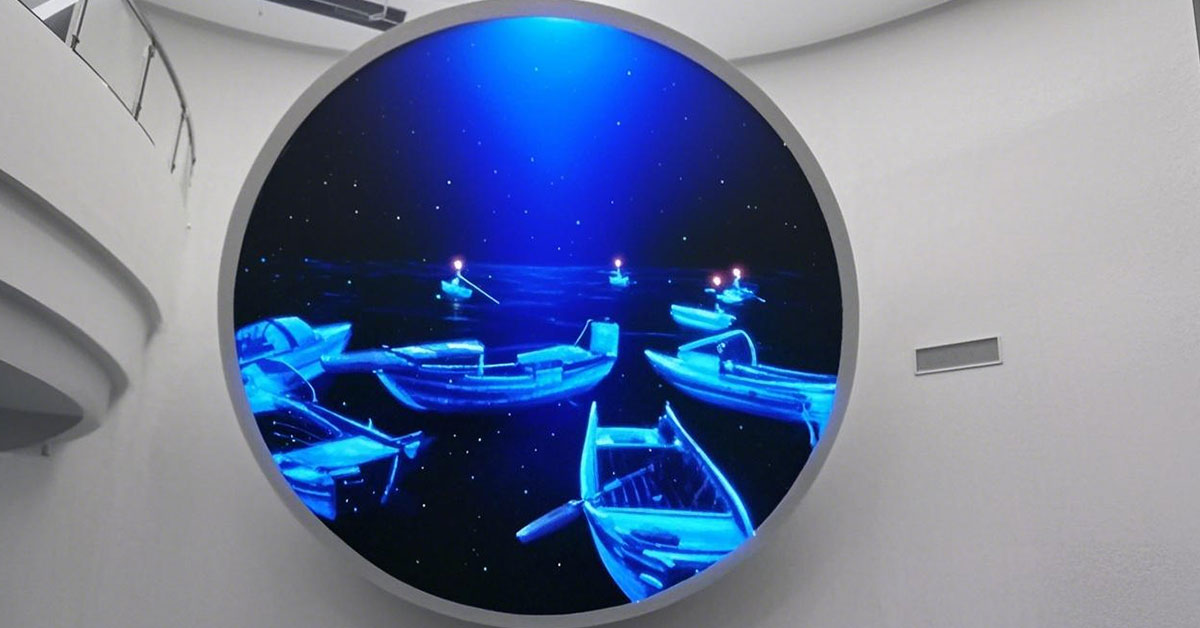
In large-scale commercial projects, curved LED screens often become part of a broader creative LED display system. Manufacturers such as Toosen specialize in customized LED solutions, including curved LED walls, circular LED screens, and other special-shaped displays designed for immersive environments.
By combining flexible modules, precision cabinets, and custom structural design, these solutions allow architects and designers to transform ordinary spaces into visually striking digital environments.
Curved LED displays offer significant advantages over traditional flat screens. Their curved structure enhances visual immersion, expands the viewing field, and adds strong architectural aesthetics.
However, the key to achieving the best viewing experience lies in selecting the right curvature. Designers must carefully consider factors such as viewing distance, application scenario, and installation environment.
When curvature, distance, and display design work together, curved LED screens can deliver an engaging and visually comfortable experience across a wide range of professional and commercial applications.
 +86 18688923792
  andy@tosled.com