



Industry news


View: 240

Release time:2026-04-15
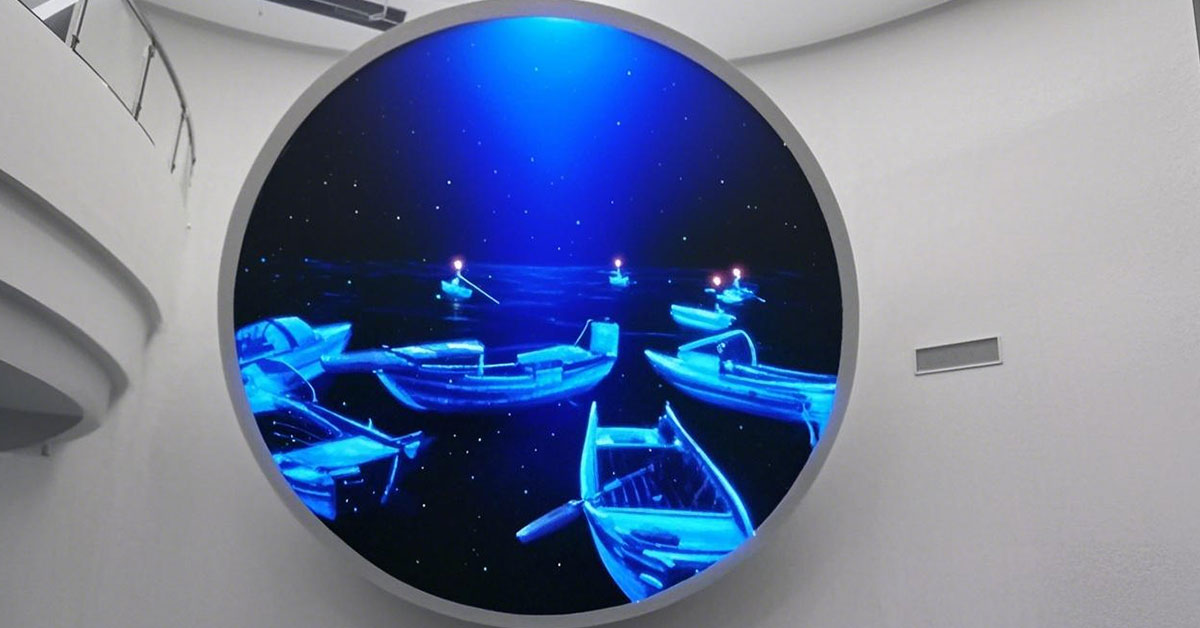
In the cultural tourism industry, competition is no longer about scenic spots alone. Instead, it is about creating immersive experiences that extend visitor stay time and increase night-time spending. LED display technology plays a central role in this transformation.
Traditional lighting shows rely heavily on fixed installations. However, immersive LED systems combine:
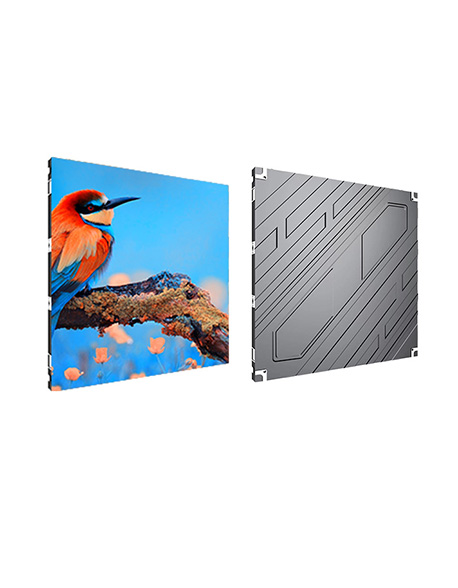
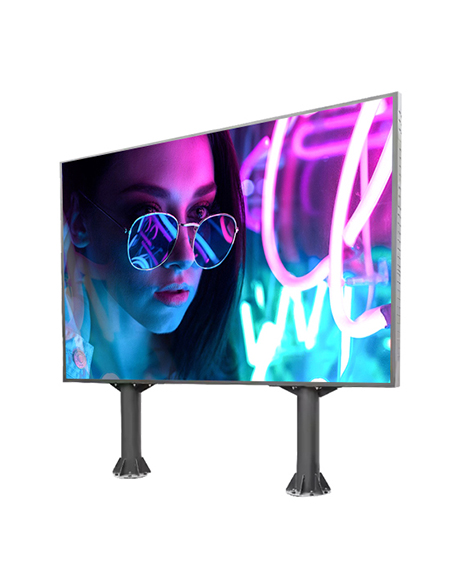
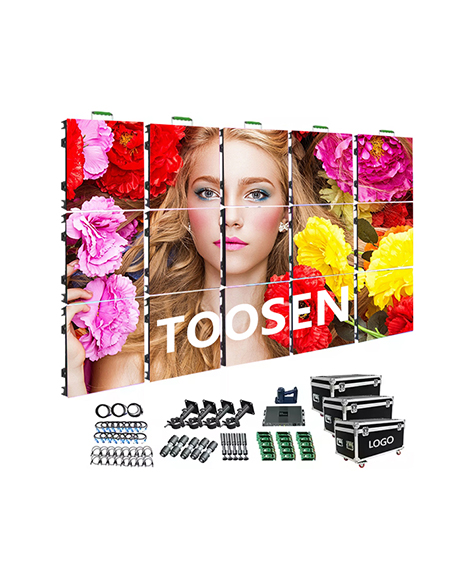
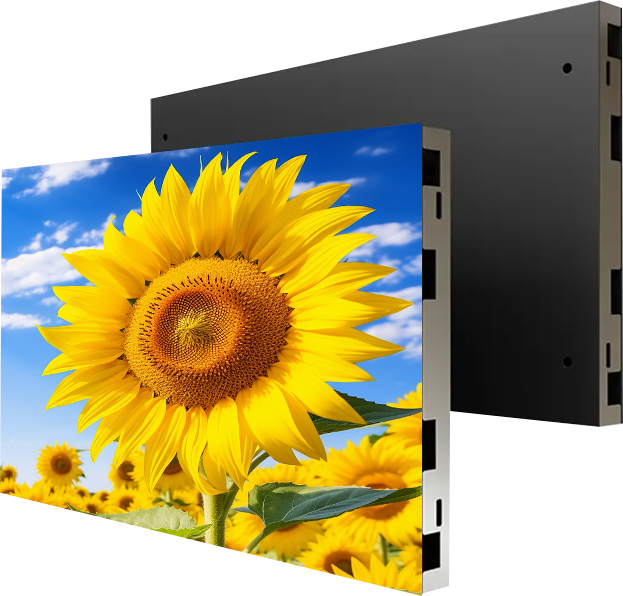
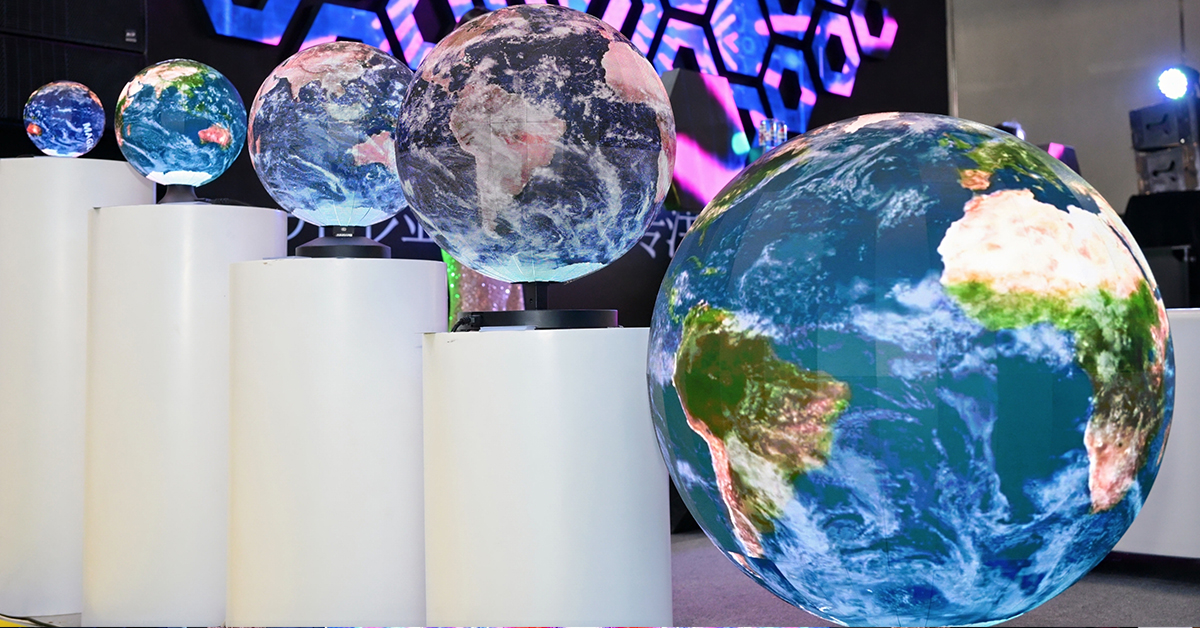
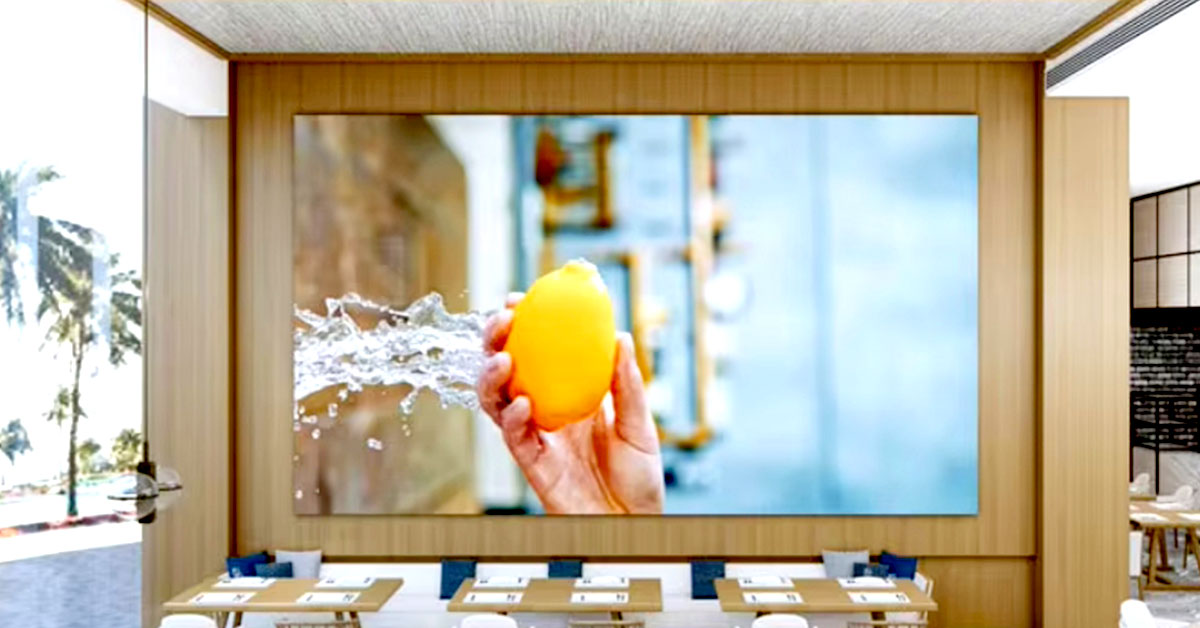
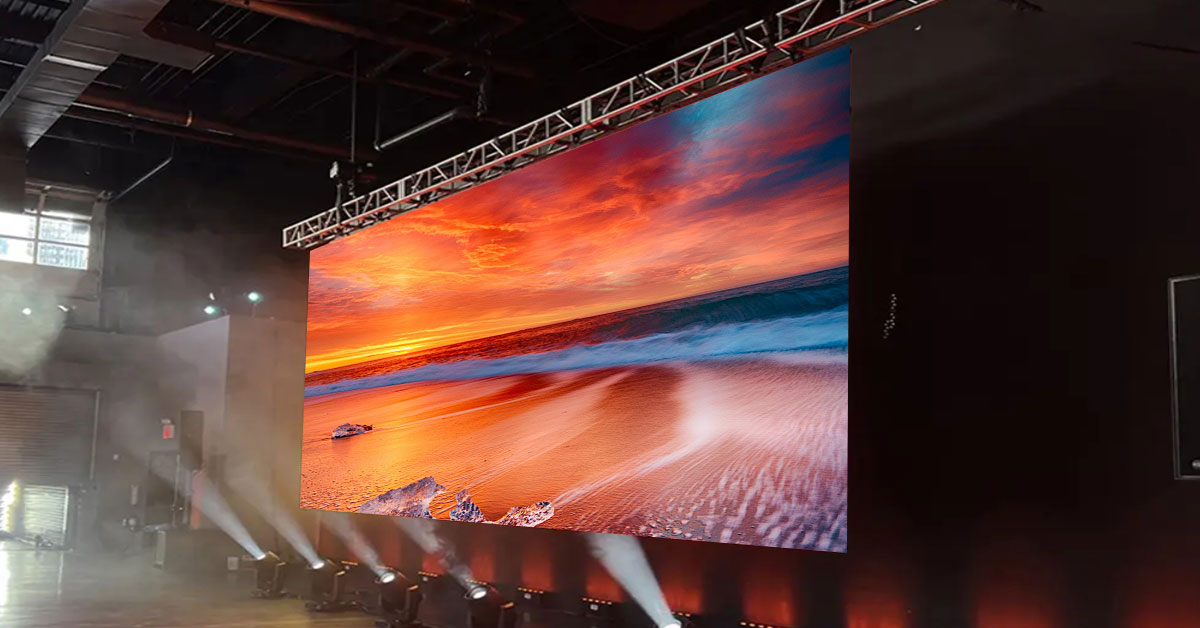
Large-scale LED screens
Dynamic lighting effects
Synchronized sound design
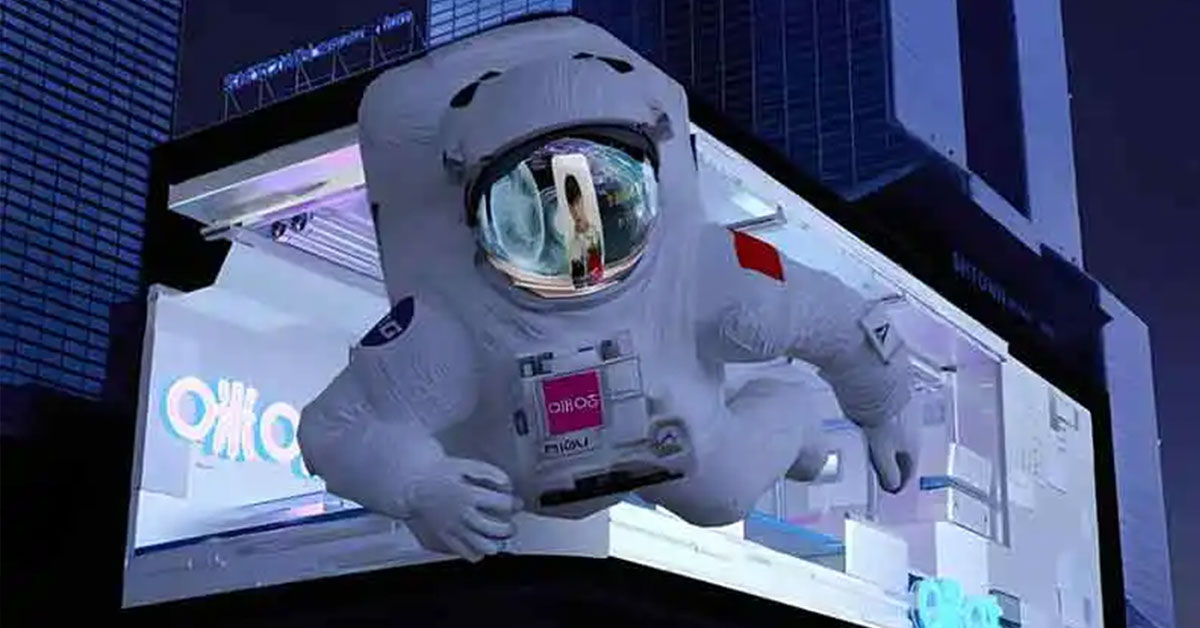
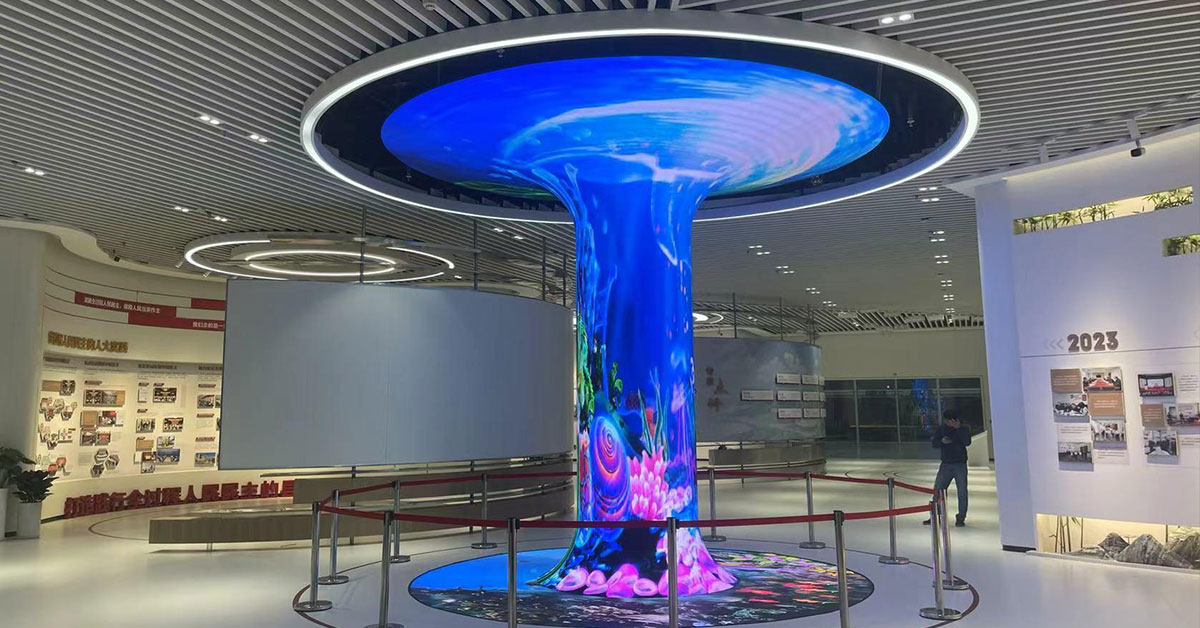
As a result, entire spaces can be transformed into interactive storytelling environments.
Visitors are no longer passive viewers. Instead, they become participants inside a visual narrative.
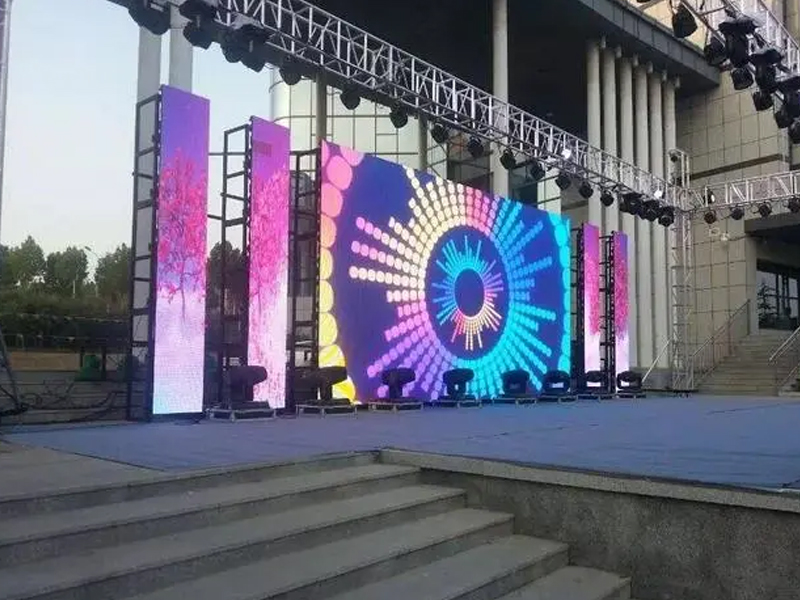
To build a successful LED light and shadow show, planners typically focus on three layers:
High-resolution LED walls create landscapes, historical scenes, or abstract digital art.
Music, rhythm, and lighting transitions guide audience emotions and enhance immersion.
Projection mapping and LED integration turn buildings, bridges, and plazas into storytelling surfaces.
When these layers work together, cities can create signature night-time landmarks that attract repeat visitors.
Immersive LED shows directly contribute to the night economy by:
Extending visitor dwell time
Increasing local food and retail consumption
Encouraging social media sharing
Strengthening regional cultural identity
In many cities, such installations have become core engines of tourism growth.
Immersive LED light and shadow shows are redefining cultural tourism. By merging technology with storytelling, they transform public spaces into emotional experiences and powerful economic drivers.
 +86 18688923792
  andy@tosled.com