




Industry news


View: 275

Release time:2026-05-20
LED video walls have become a standard visual tool in theaters, concerts, and live events. However, when production teams move from ground setups to suspended installations, rigging quickly becomes the most critical engineering challenge.
A recent discussion in the tech theatre community highlights a common issue: many teams underestimate how complex LED video wall rigging really is. They often focus on the display itself but overlook structural load, safety factors, and system design.
This guide breaks down the key engineering principles behind LED wall rigging and explains how professionals ensure safe and stable installations.
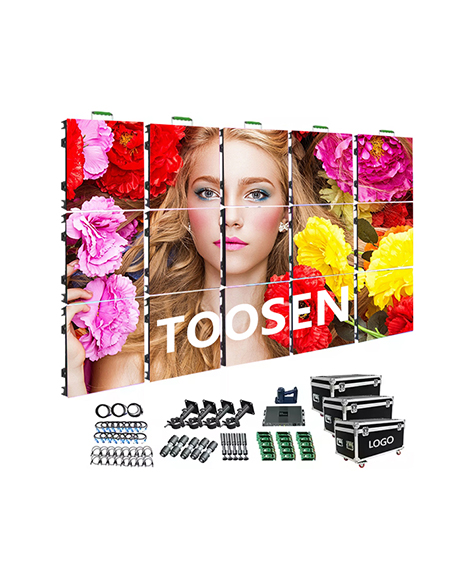
LED video walls are not lightweight scenic elements. Instead, they function as heavy structural systems made of multiple interlocking cabinets.
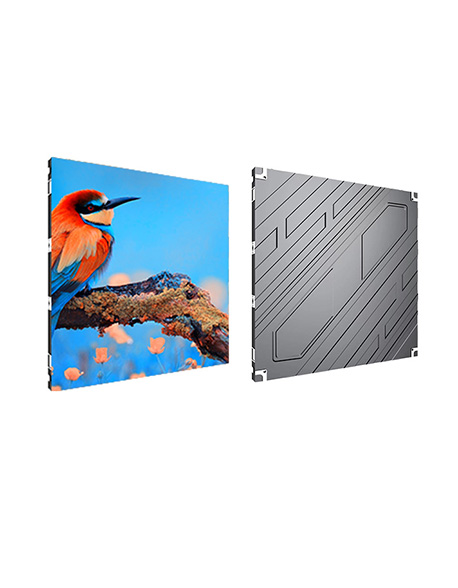
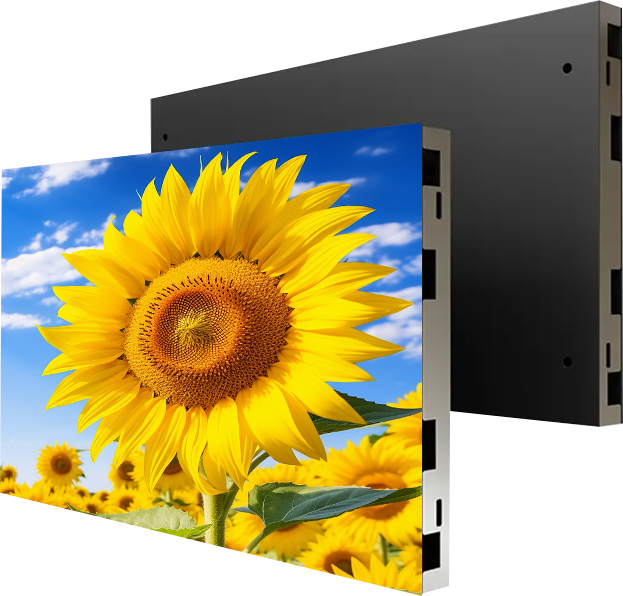
Each cabinet typically includes:
Metal frame housing
LED modules
Power supplies
Receiving cards
Mechanical locking systems
As a result, the total weight increases rapidly as the wall expands.
Therefore, rigging teams must evaluate the full system load before any installation begins.
If teams ignore this step, they risk:
Overloading trusses
Structural deformation
Unsafe suspension points
Equipment failure
Serious safety hazards
Because of these risks, LED rigging always requires careful planning and professional execution.
Before lifting anything, production teams first calculate the full system weight.
They consider:
Number of LED cabinets
Cabinet weight (often 20–50 kg each)
Rigging frames and bars
Cabling and accessories
Then they calculate the total static load of the structure.
However, experienced riggers go further. They also account for real-world conditions such as movement and vibration.
This step ensures that the support structure can handle both expected and unexpected forces.
Many beginners only consider static load, but professionals always account for dynamic load.
Static load refers to the weight of the LED wall when it remains still.
Dynamic load occurs when:
Motors lift or lower the structure
The truss vibrates during operation
The system shifts during setup
Environmental factors introduce movement
Because of this, the actual stress on the rigging system increases significantly.
Therefore, engineers always apply a safety factor to the final load calculation.
LED video walls require specialized rigging equipment. Teams cannot simply attach panels to a standard truss system.
Instead, professionals use:
Fly bars
Rigging frames
Touring brackets
Ground support structures
Motorized hoists
These components distribute weight evenly across the structure.
At the same time, they maintain alignment between LED cabinets, which is critical for image quality.
Without proper rigging hardware, the wall may:
Misalign visually
Stress cabinet connectors
Lose structural integrity
Production teams typically choose between two main installation methods:
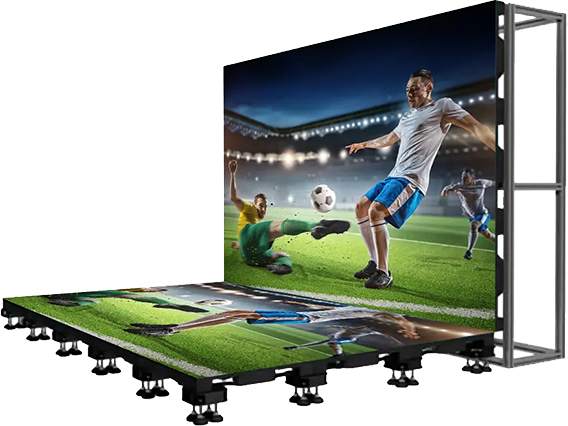
Ground support uses floor-based structures to hold the LED wall.
This method:
Reduces load on overhead trusses
Improves stability
Simplifies installation
Works well for large-scale LED walls
Because of these advantages, many theaters and permanent installations prefer this method.
Flying systems suspend the LED wall above the stage using trusses and motors.
This method provides:
Better sightlines
Flexible stage design
Cleaner floor space
However, it requires:
Higher structural capacity
More precise engineering
Strict safety compliance
Safety always drives rigging decisions.
Professional teams always evaluate:
Truss load rating
Motor weight limits
Suspension point strength
Safety cable requirements
System redundancy
They also follow industry safety standards and often consult structural engineers for large installations.
Because LED walls often operate above performers and audiences, even small mistakes can create serious risks.
Many issues arise when teams underestimate system complexity. Common mistakes include:
Treating LED panels like lightweight scenery
Ignoring total system weight
Skipping dynamic load calculations
Using undersized truss systems
Relying on non-certified rigging setups
As a result, installations become unstable or unsafe.
However, when teams follow proper engineering practices, LED walls operate reliably and safely in demanding environments.
To ensure safe and stable installations, professionals follow several core principles:
Calculate total load before design begins
Always include dynamic load safety margins
Use certified rigging equipment
Match truss capacity to system weight
Hire experienced rigging technicians
Inspect all hardware before each show
In addition, they continuously monitor system behavior during operation to prevent unexpected stress.
LED video wall rigging is not just a technical step—it is a structural engineering process. While the display technology attracts most attention, the safety and stability of the entire system depend on how well it is rigged.
When production teams calculate loads correctly, use proper rigging systems, and respect safety limits, they create stable, professional-grade LED installations that perform reliably in theaters and live events.
Ultimately, successful LED rigging combines engineering precision with disciplined execution, ensuring both visual impact and operational safety.
 +86 18688923792
  andy@tosled.com