

Industry news


View: 19

Release time:2026-10-11
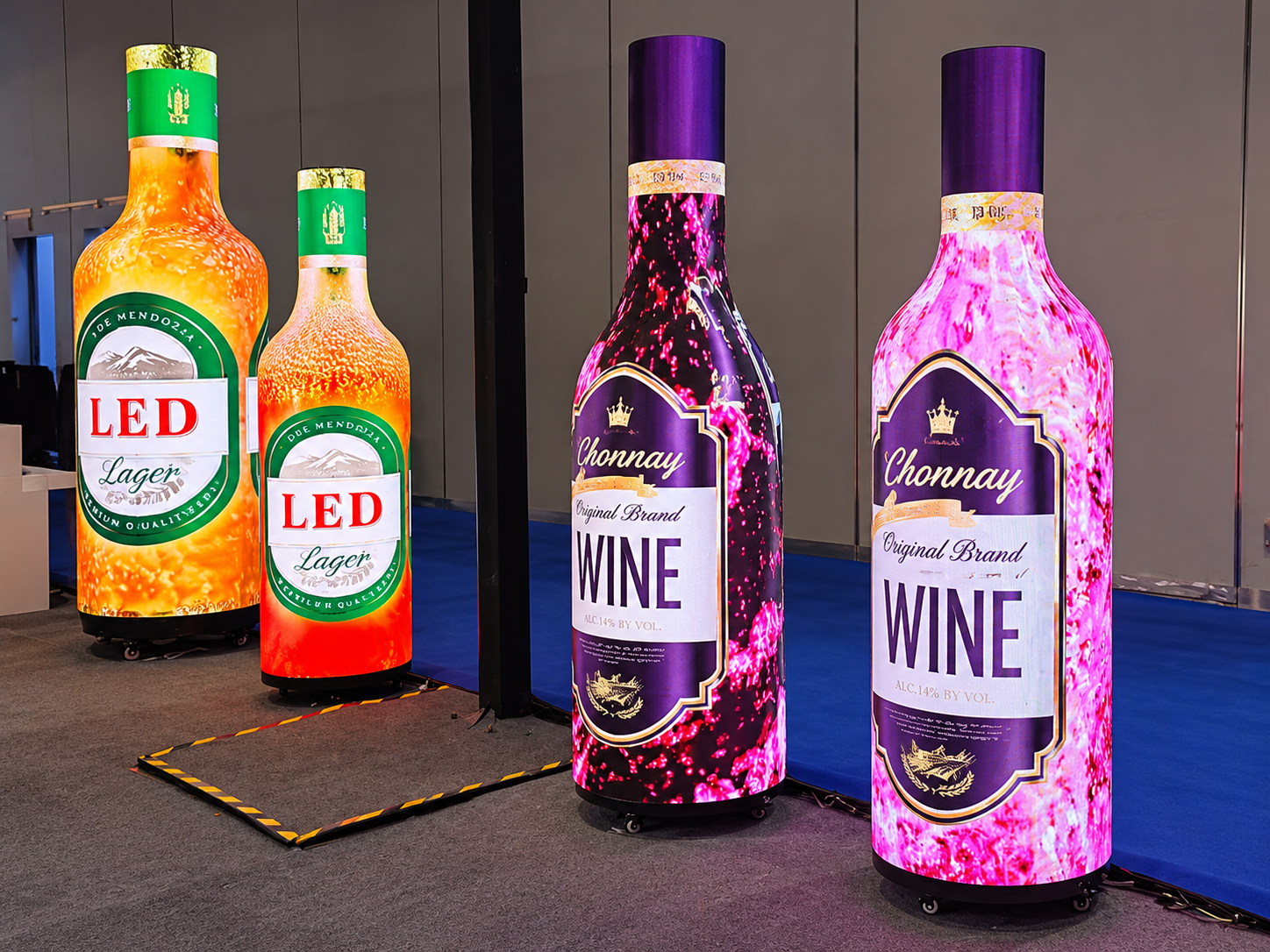
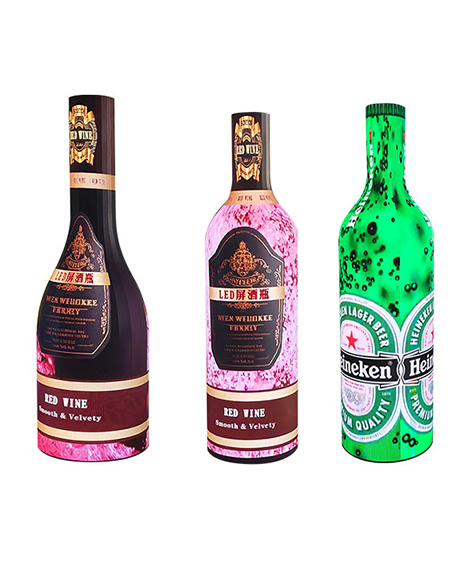
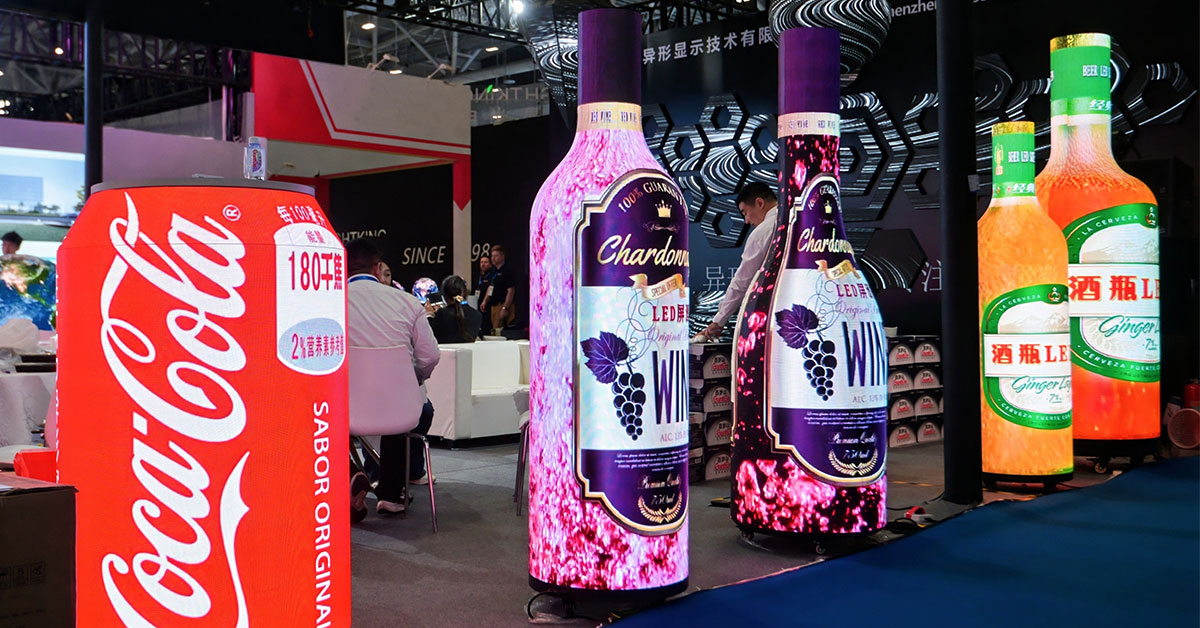
A bottle-shaped LED display may look perfect during factory testing but appear different after installation. Some sections may look brighter, while others show slightly different colors. This does not always mean the LED modules are defective.
The problem is often related to calibration conditions.
Factory calibration improves the consistency of LED modules before shipment. On-site calibration checks how the complete display performs in its actual installation environment.
For a bottle-shaped LED display, understanding the difference helps buyers avoid unnecessary adjustments, installation delays, and additional costs.
Unlike a flat LED screen, a bottle-shaped display has several curved sections. The neck, shoulder, and body may use different module arrangements.
During factory testing, engineers inspect the display under controlled conditions. After installation, the screen operates under different lighting, viewing angles, and mounting conditions.
For example, a display installed inside a shopping mall may receive strong overhead lighting. The upper bottle section might appear darker from the main viewing position.
The calibration data may still be correct, but the actual viewing experience has changed.
The important question is whether the difference comes from LED output, viewing geometry, or the surrounding environment.
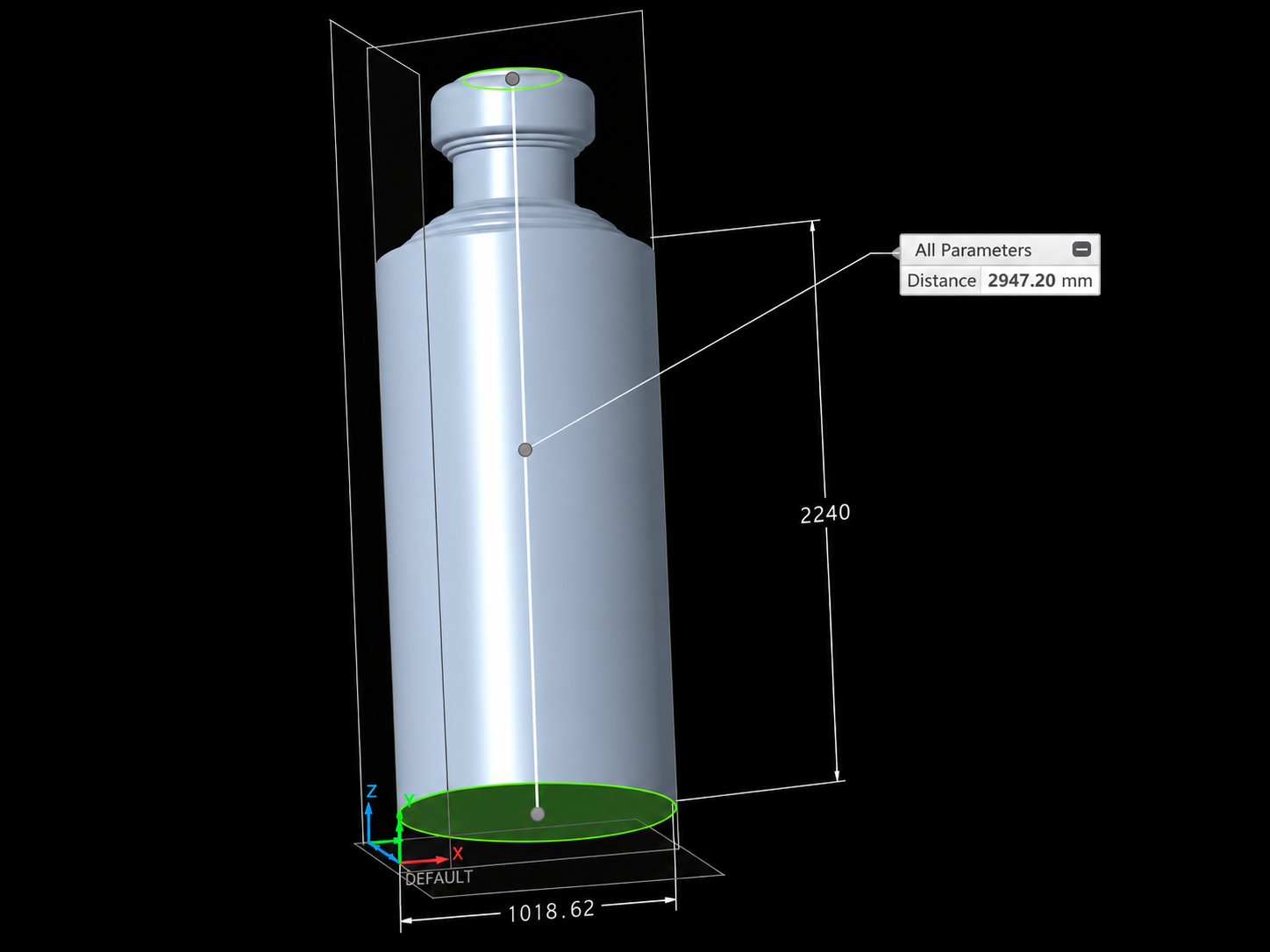
Both methods improve display quality, but they serve different purposes.
Factory calibration is normally completed before shipping.
Engineers measure LED brightness and color performance using suitable instruments and calibration software.
They can then generate correction data to reduce differences between pixels or modules.
Factory calibration mainly focuses on:
Pixel brightness consistency
RGB color balance
Module-to-module uniformity
Grayscale performance
Correction data verification
This process creates a reliable starting point for the finished display.
On-site calibration takes place after the bottle-shaped LED screen has been installed.
Its purpose is to verify actual performance and make supported adjustments where necessary.
Engineers check the complete display from the intended audience positions, including areas affected by the bottle's curved structure.
Site work may involve restoring correction files, checking cabinet settings, adjusting operating brightness, and performing additional measurements when required.
Factory calibration corrects measurable LED output differences. On-site calibration verifies and adjusts the installed system.
Neither process automatically replaces the other.
The main difficulty is their changing surface geometry.
A typical bottle-shaped display includes three different areas:
Bottle neck: A smaller diameter creates tighter curves and different viewing angles.
Bottle shoulder: The transition between the neck and body may contain specially shaped modules or unusual connections.
Bottle body: This larger area normally provides the main advertising surface and requires consistent brightness across its circumference.
Because these sections face different directions, their measured appearance can change with camera position.
A single photograph cannot prove that every section has identical light output.
There is also a difference between a real brightness problem and the natural appearance of a curved surface viewed at an angle.
Trying to remove every visible difference through software can sometimes make the display less consistent from another direction.
The correct choice depends on how the screen will be installed and operated.
| Project condition | Recommended approach |
|---|---|
| Small indoor bottle display with unchanged modules | Factory calibration plus site verification |
| Large customized bottle screen assembled in sections | Factory calibration plus detailed on-site checks |
| Display installed under complicated venue lighting | Factory calibration plus site brightness and color assessment |
| Screen with replaced modules or lost correction files | Restore correct data and evaluate recalibration |
| Temporary exhibition with limited installation time | Complete factory preparation and confirm site settings |
For most projects, the best approach is not choosing only one method.
Factory calibration should establish consistent output before shipment. Site verification should confirm that the display still meets project requirements after installation.
Full on-site recalibration is only necessary when measurements show that corrections are needed.
A useful acceptance test should separate actual LED problems from environmental effects.
Step 1: Confirm operating conditions
Allow the display to reach stable operating conditions. Check the power supply, control system, and brightness settings.
Step 2: Display standard test patterns
Use full white, red, green, blue, and grayscale patterns. These help reveal color differences and uneven brightness.
Step 3: Inspect different bottle sections
Check the neck, shoulder, and body separately. Pay particular attention to transitions between curved areas.
Step 4: Measure from defined positions
Use an appropriate luminance or color-measurement instrument. Keep the measurement geometry consistent and record the viewing position.
Step 5: Compare with factory records
Check whether correction data and operating settings match the approved factory configuration.
Step 6: Retest after adjustments
If changes are necessary, repeat the same patterns and measurements before final approval.
Acceptance limits should be agreed upon before testing rather than selected after installation.
Calibration quality depends on more than software.
Flexible LED modules, receiving cards, driver ICs, power supplies, and mechanical structures all influence the final result.
For example, replacing a module with one from a different production batch may introduce a visible color difference.
Similarly, changing a receiving card without restoring the correct configuration can affect how correction data is applied.
For a customized Wine Bottle LED Screen, buyers should confirm whether calibration files can be saved, transferred, and restored.
Module numbering is also useful because it helps engineers match replacement parts with their original locations.
Good documentation reduces troubleshooting time during maintenance.
Consider a customized indoor P2.5 bottle-shaped LED display planned for a beverage promotion area.
The display has a narrow neck, a curved shoulder, and a larger cylindrical body.
Before shipping, the manufacturer assembles the screen, performs calibration, and saves the correction data.
After installation, the technician notices that the shoulder looks slightly darker from the main shopping aisle.
Instead of immediately recalibrating every module, the technician checks the viewing angle, ambient lighting, and existing correction settings.
If measurements show that LED output is consistent, changing the installation lighting or operating brightness may be more appropriate.
If a genuine output difference is confirmed, the affected area can be evaluated for additional correction.
This example shows why diagnosis should come before recalibration.
No. A properly calibrated display may only need configuration checks and visual acceptance testing after installation.
Yes. Incorrect controller replacement, configuration changes, or missing correction files can cause calibration problems. Keeping backups is important.
No. Calibration adjusts light output. Physical gaps, incorrect module positioning, and structural problems require mechanical correction.
There is no universal schedule. Checks are useful after major repairs, module replacement, noticeable color changes, or significant changes in operating conditions.
Toosen is an LED display manufacturer in Shenzhen, China, specializing in customized LED solutions, including bottle-shaped, spherical, flexible, and other creative display structures.
Our custom-shaped LED display support different project sizes, installation methods, and viewing requirements.
When planning a bottle-shaped LED display, buyers should consider not only pixel pitch and screen dimensions but also calibration records, controller compatibility, and future maintenance.
A clear factory testing process combined with practical on-site verification makes installation and acceptance easier.
Contact Toosen to discuss your bottle-shaped LED display project, including module configuration, calibration requirements, and installation support.
 +86 18688923792
  andy@tosled.com