

Industry news


View: 527

Release time:2026-03-13
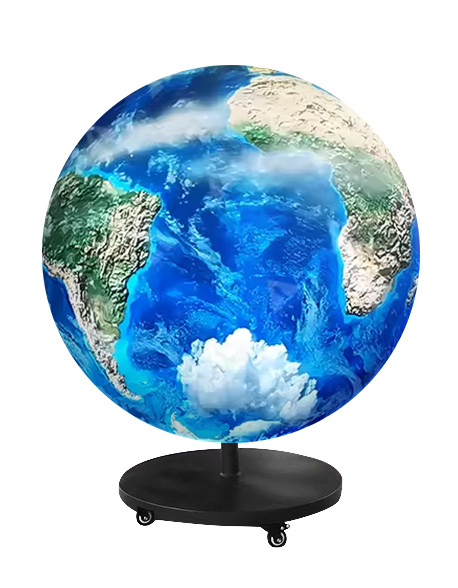
Creating a spherical LED screen requires advanced engineering. Manufacturers must solve several technical challenges:
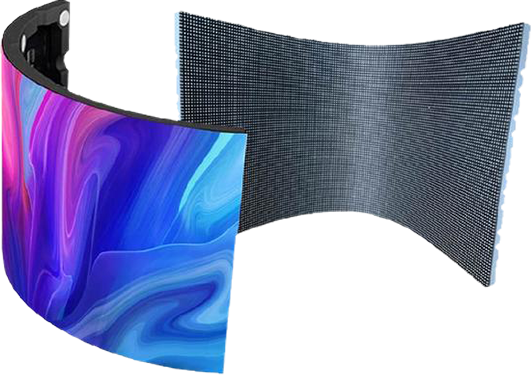
Curved LED Modules
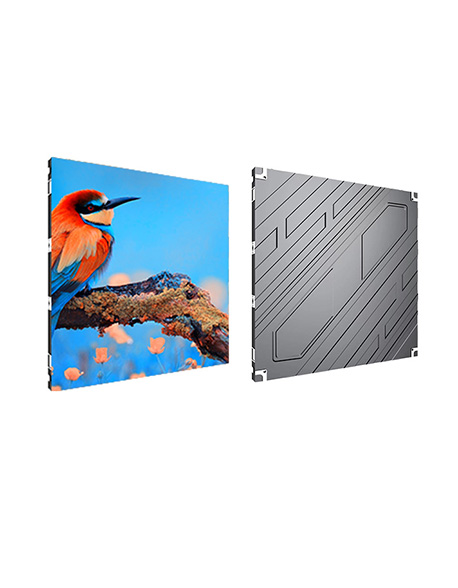
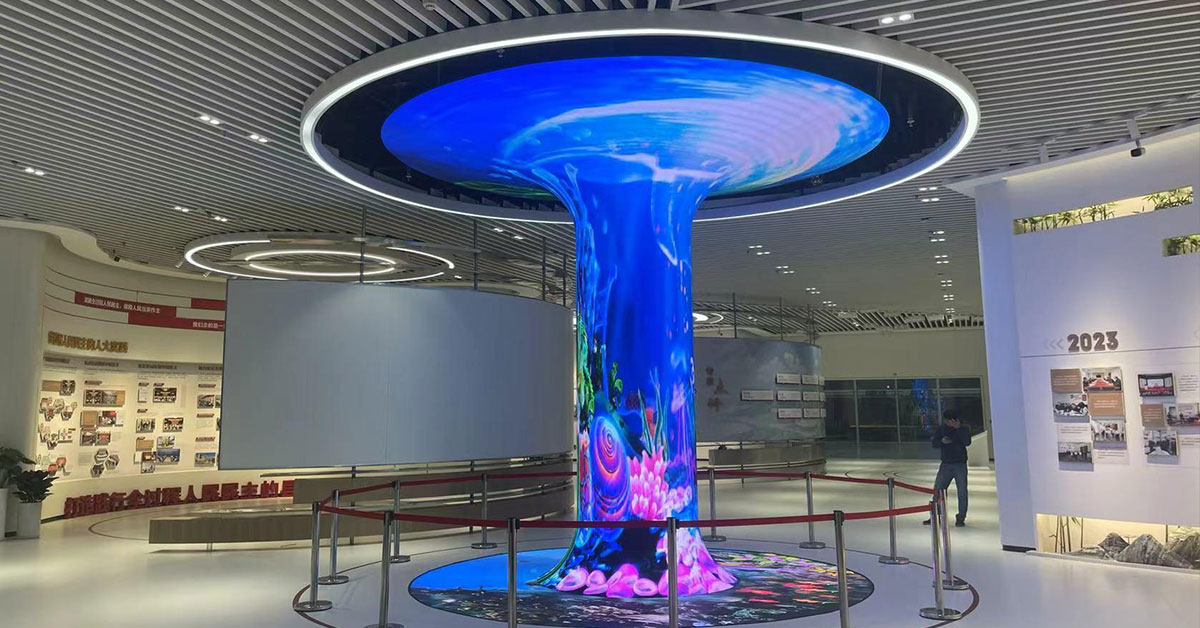
Flat LED panels cannot form a sphere. Instead, flexible or specially designed LED modules must be used.
Image Mapping
Content must be transformed so that it appears natural on a curved surface. Designers use special software to map rectangular video onto spherical coordinates.
Structural Support
A spherical display needs a strong internal frame to support thousands of LED modules while maintaining a perfect shape.
Because of these challenges, spherical displays usually appear in specialized projects rather than everyday consumer electronics.

The Future of Spherical Displays
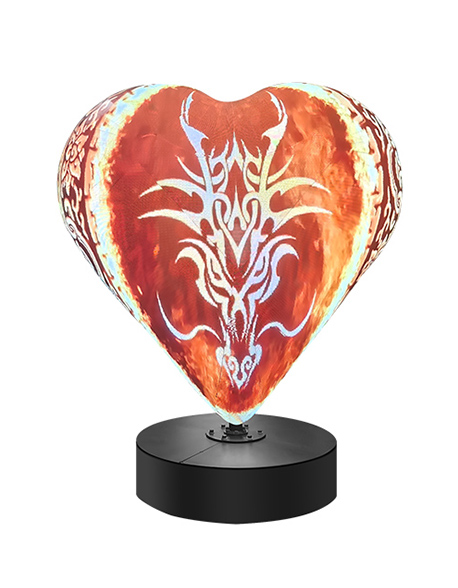
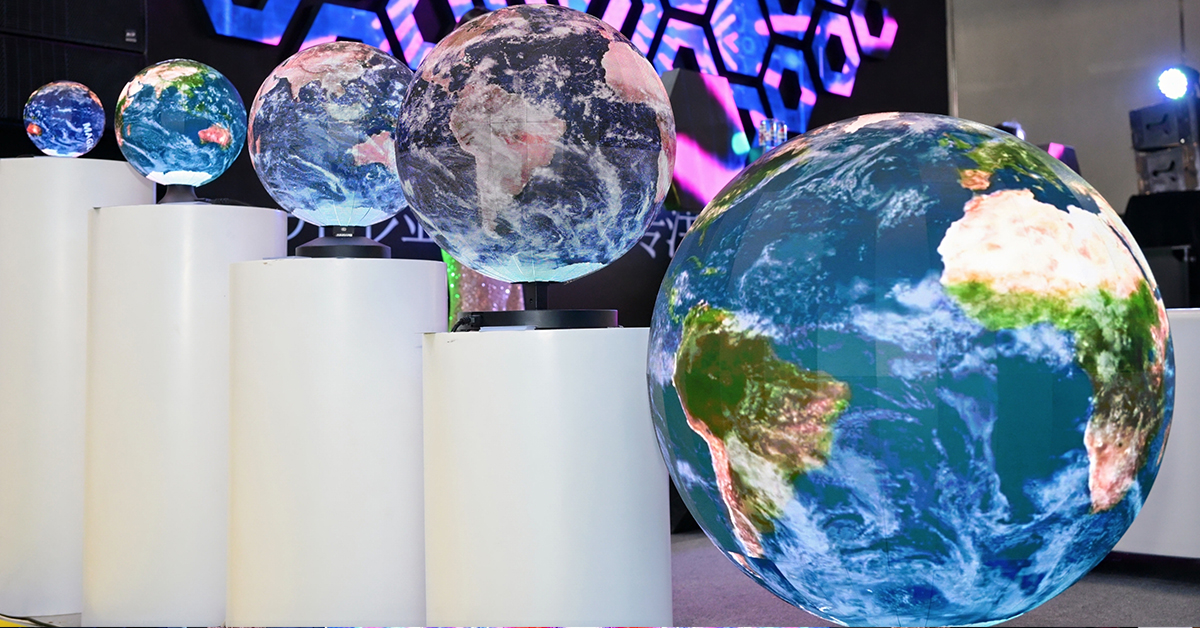
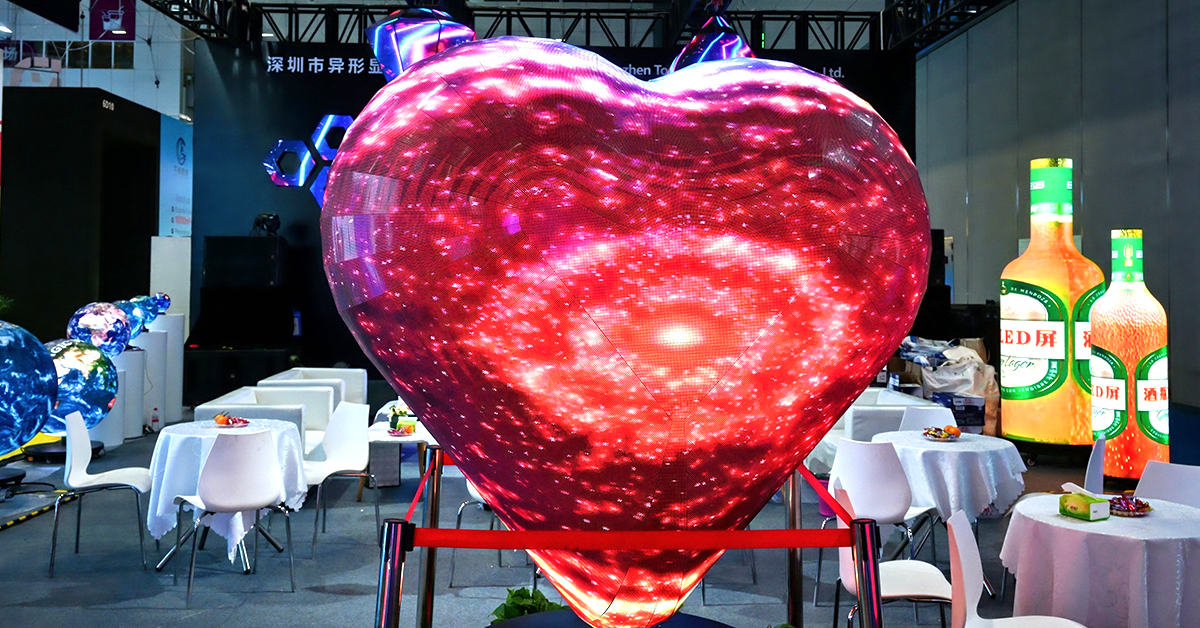
Interest in spherical display technology continues to grow. Large-scale examples already exist in architecture and entertainment venues, and smaller versions appear in exhibitions and digital art installations.
As LED technology becomes more flexible and affordable, spherical screens will likely become more common in:
immersive advertising
interactive exhibitions
futuristic retail design
experiential marketing campaigns
The viral Reddit video demonstrates how powerful the concept can be. Even a surplus display device managed to capture widespread attention simply by showcasing a different way to experience digital visuals.
Conclusion
Spherical display screens represent a bold step beyond traditional flat displays. Their ability to present visuals in a 360-degree format creates immersive experiences that standard screens cannot match.
While the technology still remains niche, growing interest from designers, advertisers, and event planners suggests that spherical displays will play a bigger role in the future of digital media.
As the Reddit video proves, sometimes all it takes is one unusual screen to remind us how exciting display innovation can be.
FAQ
1. Are spherical display screens true 3D displays?
No. Most spherical screens map 2D content onto a curved surface. The shape creates depth illusions, but the display itself remains two-dimensional.
2. Where are spherical displays commonly used?
They often appear in museums, exhibitions, retail advertising, digital art installations, and entertainment venues.
3. Are spherical displays expensive?
Yes. The curved structure, specialized LED modules, and complex image mapping usually make spherical displays more expensive than standard LED screens.
 +86 18688923792
  andy@tosled.com