





Company news


View: 16

Release time:2026-09-16
A custom-shaped LED display may contain hundreds or even thousands of LED modules. During normal operation, only a small number may ever need replacement. This creates a common purchasing question:
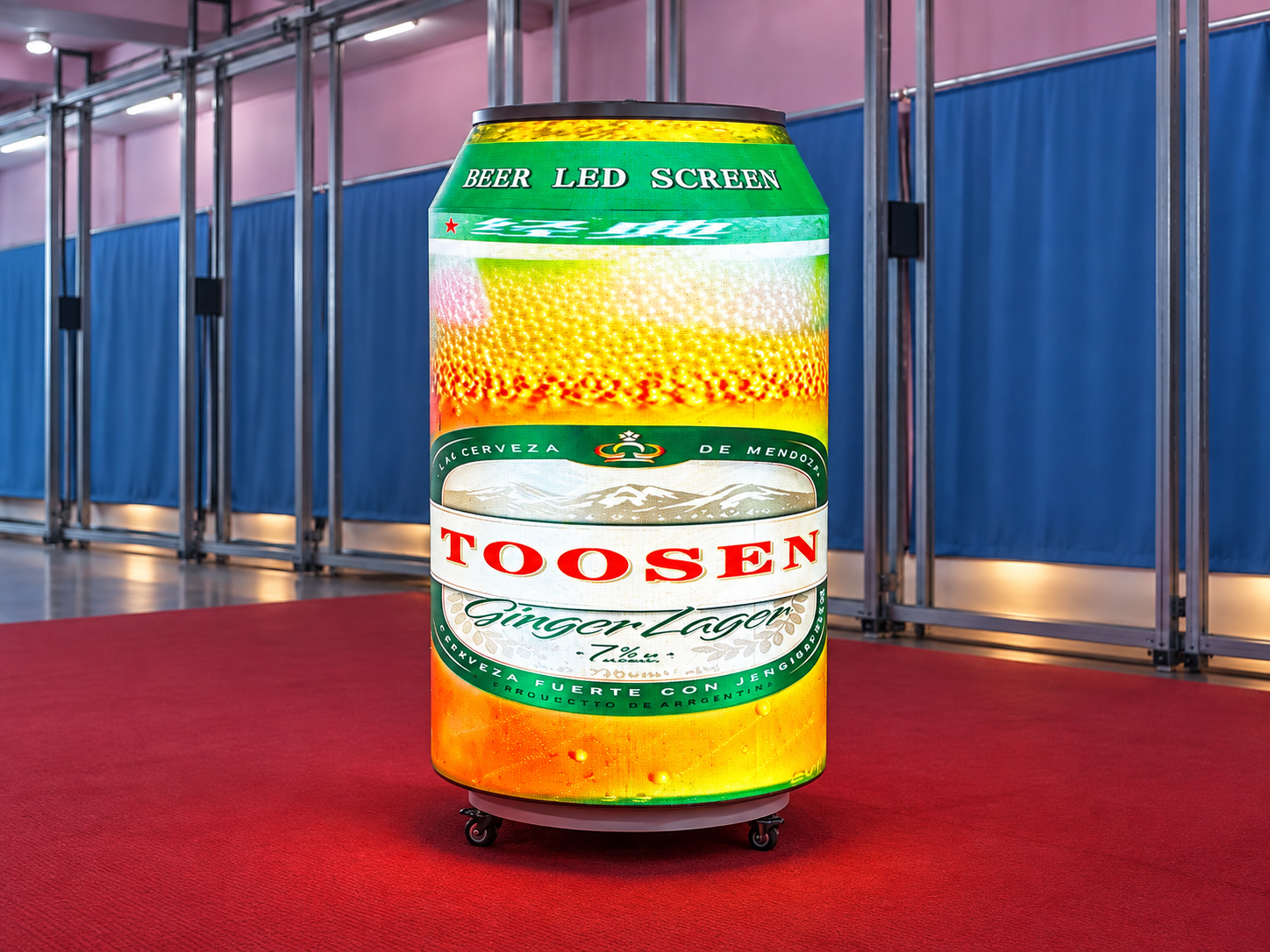
How many spare LED modules should you order with the screen?
Ordering too few can create problems several years later when the original module is difficult to reproduce. Ordering too many increases the initial project cost and leaves unused parts in storage.
For most projects, the right answer is not simply “buy 5% extra.” The quantity should depend on the screen shape, module design, installation environment, accessibility and expected service life.
Standard LED walls normally use repeated rectangular modules. If one module fails, finding a compatible replacement may be relatively easy.
A custom-shaped LED display can be different.
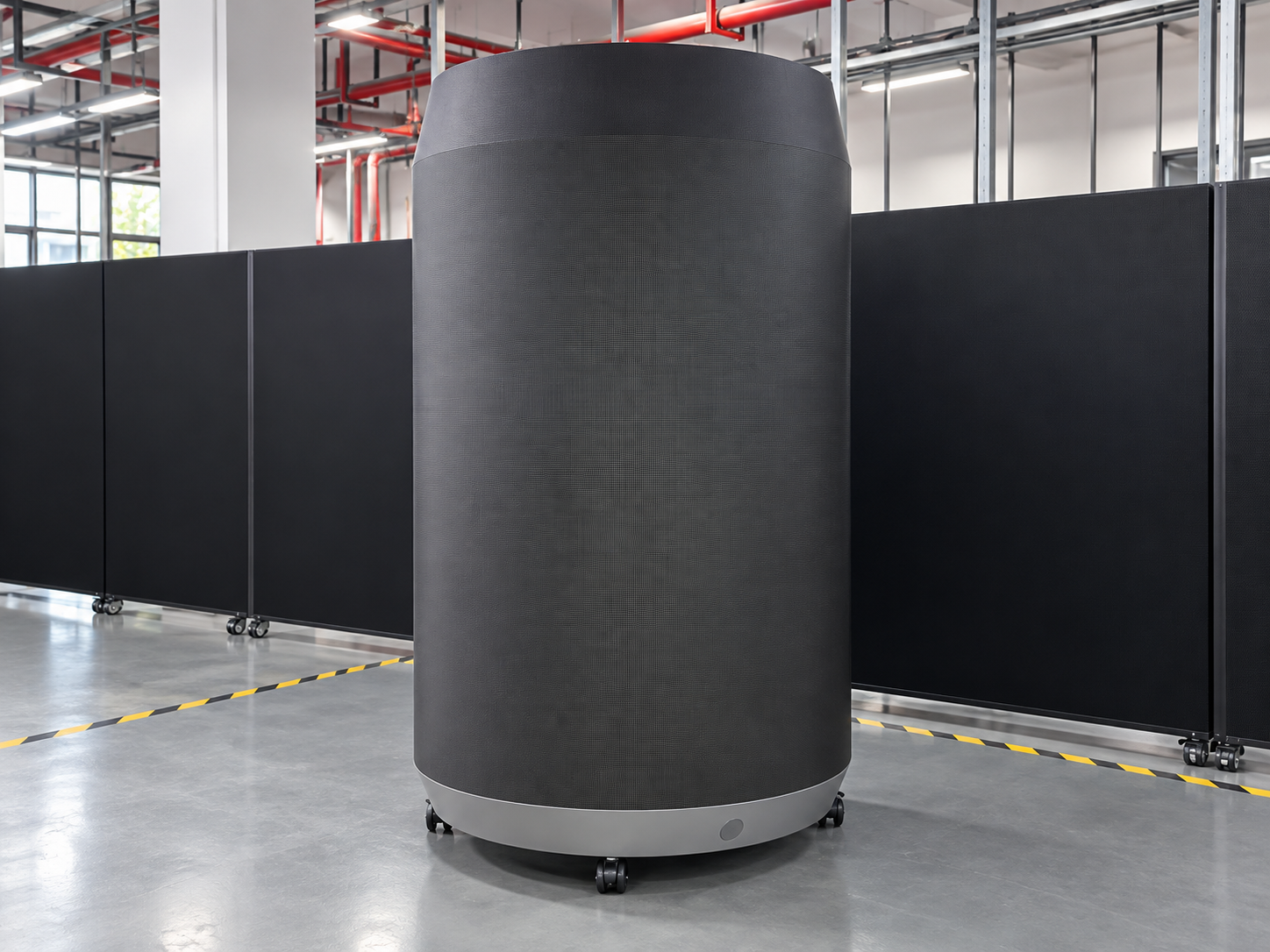
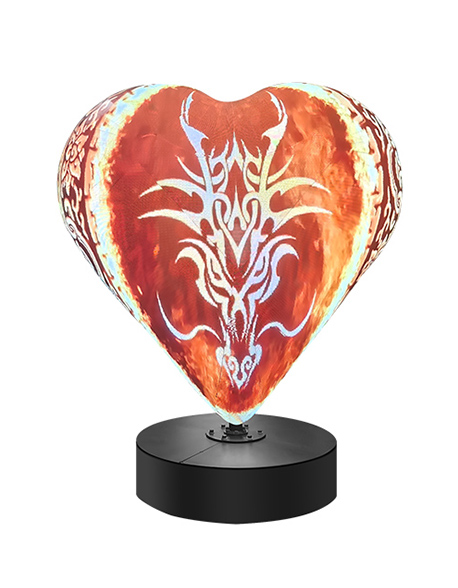
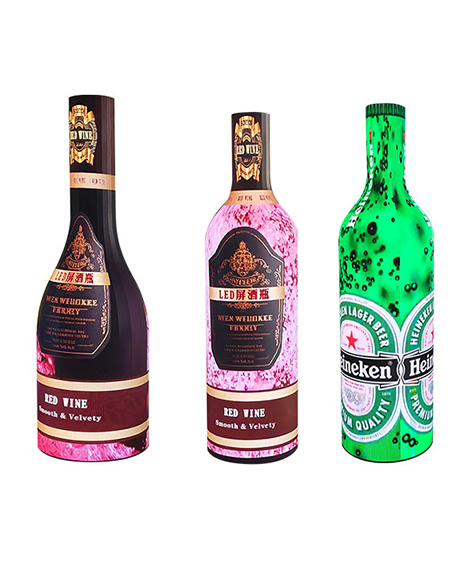
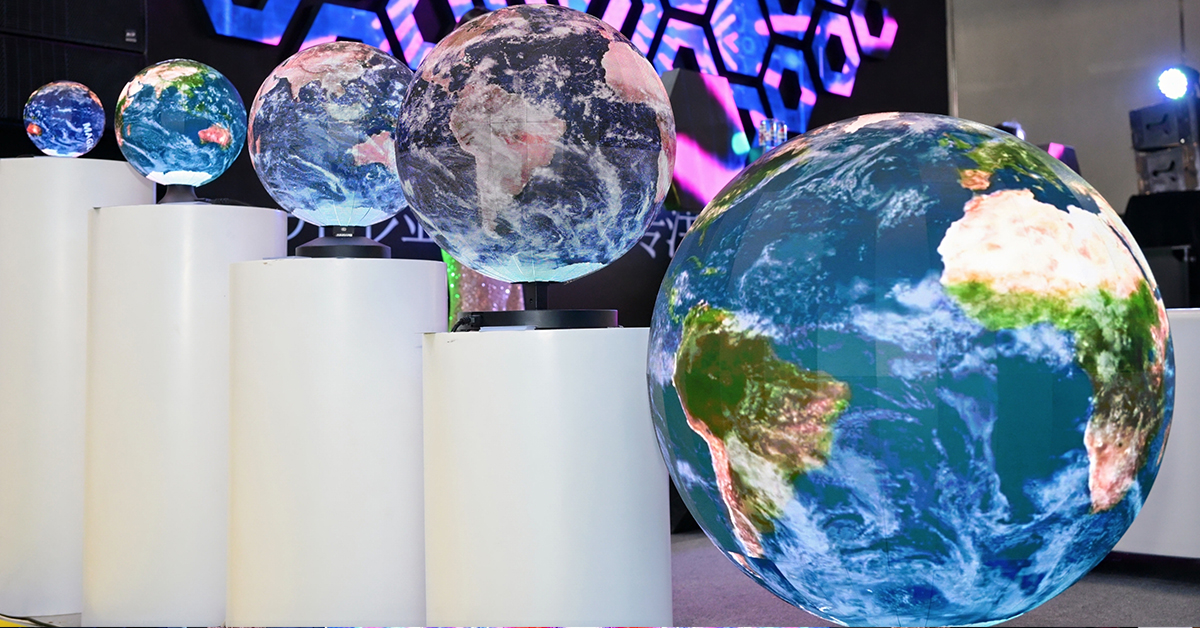
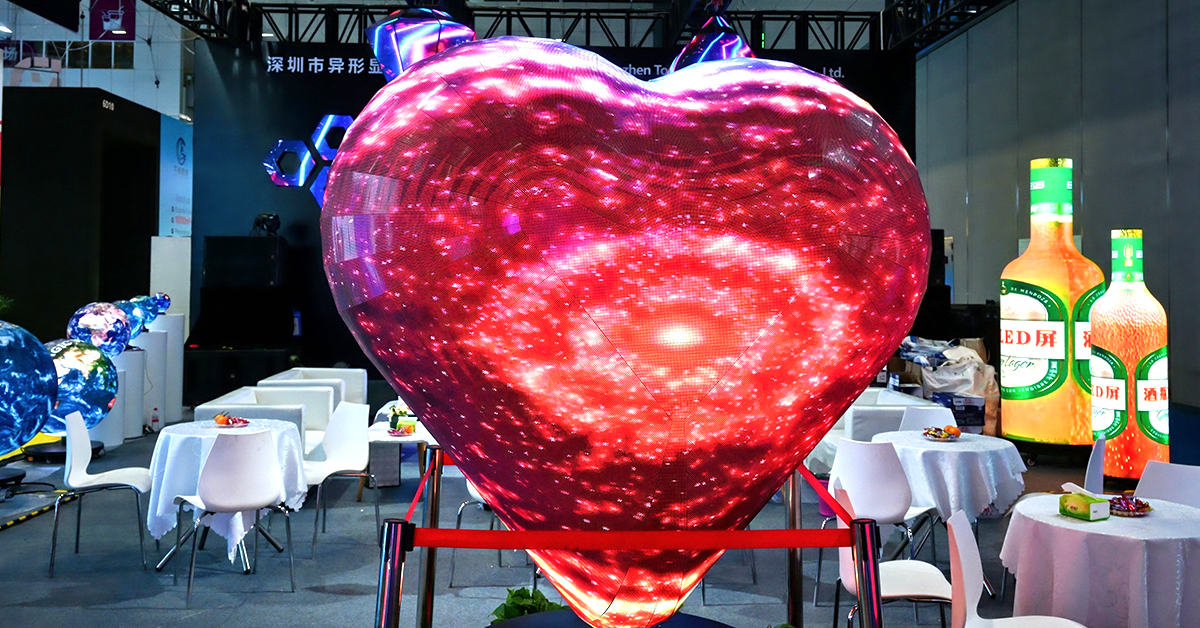
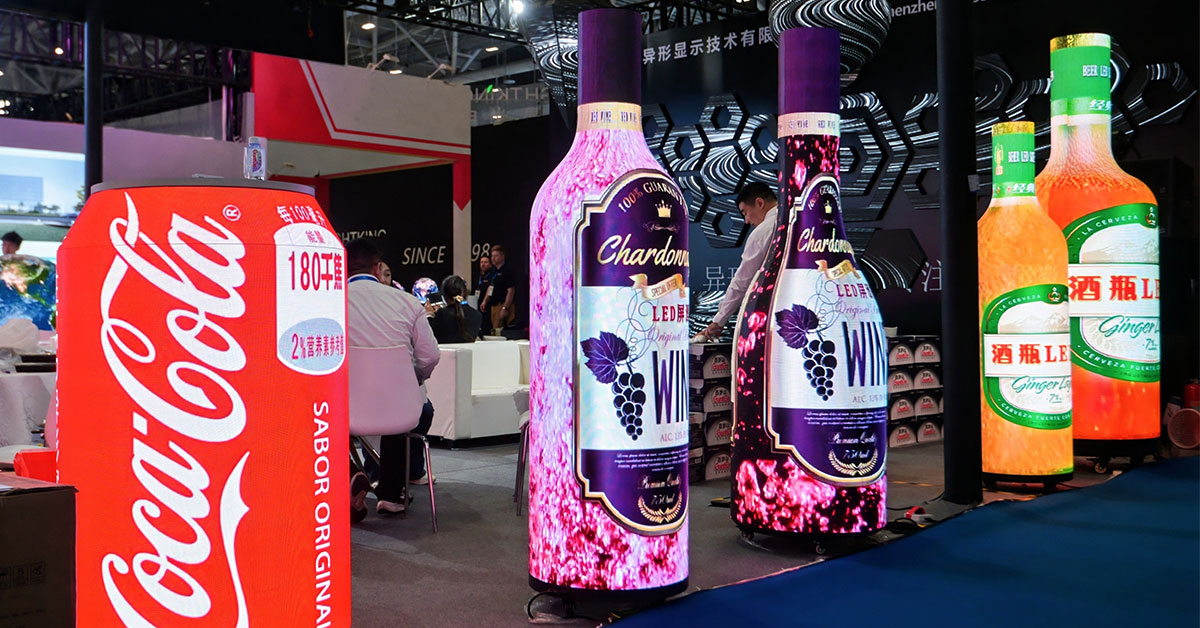
Spherical LED screens, cylinders, bottles, cans, waves and irregular architectural displays may use flexible modules, specially cut PCBs, unusual mounting holes or project-specific structures.
If one of these modules fails after three or four years, a new production batch may not look exactly the same as the original screen.
Even when the pixel pitch and module dimensions are identical, LED batches can have small differences in:
brightness;
color temperature;
LED package characteristics;
PCB design;
driver IC;
connector position.
This is why spare LED modules should be considered during the original purchase rather than after a failure occurs.
For many indoor projects, around 5% spare modules can be used as a practical starting point.
For example, if a display uses 400 modules:
400 × 5% = 20 spare modules
However, this should not automatically become the final quantity.
A simple indoor curved wall installed in an air-conditioned shopping mall has a very different maintenance risk from an outdoor 360-degree spherical LED display exposed to heat, rain and difficult maintenance access.
A more useful approach is to adjust the spare quantity according to the project.
| Project Condition | Suggested Spare Planning |
|---|---|
| Simple indoor custom display | About 3–5% |
| Indoor sphere or complex 360° shape | About 5–8% |
| Outdoor custom-shaped LED display | About 5–10% |
| Highly customized/non-standard modules | About 8–10% or project-specific calculation |
| Difficult-to-access permanent installation | Consider additional critical spares |
These percentages are planning references rather than fixed rules. The actual quantity should be confirmed after the module layout and maintenance conditions are known.
Two displays with the same number of pixels may require very different spare-part strategies.
Consider a flat curved LED wall and a spherical LED display.
The curved wall may use one flexible module type across almost the entire surface. Twenty spare modules of the same type may therefore cover many possible repair locations.
A sphere can be more complicated.
Some spherical designs use different module positions, orientations or structural sections. Bottle-shaped and other irregular displays may also contain modules designed for different curvature areas.
In this situation, simply ordering “20 extra modules” is not enough.
You need to know which module types those 20 modules represent.
If a display contains Module A, B and C, but all the spare parts are Module A, a failure in Section C can still stop the repair.
The spare list should therefore follow the actual module map of the screen.
A better method is:
Spare Quantity = Installed Quantity × Spare Ratio
Then calculate the result separately for every important module type.
Suppose a custom bottle-shaped LED display contains:
240 standard flexible modules;
60 narrow curved modules;
20 specially designed top modules.
Using one percentage for the complete screen could produce an unbalanced spare inventory.
Instead, prepare spare parts for each group.
The specially designed top section may contain fewer modules, but those modules could be much harder to reproduce later. Keeping several extra units can be more important than simply following the total screen percentage.
This is especially useful for custom LED modules made from project-specific PCBs or molds.
Module quantity is not the only factor.
Ask another question:
Where are failures most expensive to repair?
A damaged module near the bottom of a floor-mounted display may take minutes to replace.
A damaged module on a 6-meter suspended sphere may require a lift, scaffolding or temporary closure of the area.
For displays installed in airports, shopping centers, museums, exhibition halls or building atriums, downtime can be more expensive than the spare module itself.
Projects with difficult maintenance access should therefore keep a stronger spare-parts reserve.
Good maintenance planning should also include power supplies, receiving cards, HUB boards, cables and important connectors—not only LED modules.
Quantity solves only half of the problem.
The production batch matters as well.
Keeping replacement modules from the original manufacturing batch can make future brightness and color matching easier. After several years of operation, the installed LEDs will also age, so replacement modules may still require calibration.
For this reason, spare modules should be tested before shipment together with the main display.
Check:
whether every spare module lights normally;
whether signal and power connectors match;
whether mounting holes are correct;
whether the module fits the intended curved structure;
whether brightness and color are consistent;
whether module numbers match the maintenance drawing.
A spare module that has never been physically fitted to the structure is not a fully verified spare.
After installation, spare modules should not be placed randomly in a warehouse.
Each package should identify:
project name + screen section + module type + pixel pitch + production batch
For complex custom-shaped displays, module numbers should also correspond with the screen layout drawing.
Storage conditions matter too. Keep modules in a clean, dry environment and protect them from moisture, dust, static electricity and physical pressure.
A well-organized spare inventory can save hours during an emergency repair.
Imagine a custom indoor 360-degree display using 800 LED modules.
A 5% reserve gives:
800 × 5% = 40 spare modules
But the engineering team discovers that 100 modules around the upper and lower transition areas use a different structure.
Instead of purchasing 40 identical modules, the project could divide the spare inventory between the main body modules and the special transition modules.
This provides better maintenance coverage without unnecessarily increasing the total number of spare parts.
That is the key idea: spare planning should follow the structure of the screen, not only a percentage.
TOOSEN provides customized LED display solutions including spherical LED displays, flexible LED screens, bottle-shaped displays, cylindrical screens and other custom-shaped LED displays.
For customized projects, spare-part planning can be included during the engineering stage. Module layout, maintenance access and replacement requirements can be checked before mass production.
Keeping suitable spare modules together with the original project helps reduce future downtime and makes long-term maintenance easier.
Around 3–10% can be a useful planning range depending on the project, but complex custom displays should be calculated by module type, environment and maintenance difficulty.
Yes. They should match the original module specifications, electrical design, dimensions and installation structure.
Modules from later production batches may have differences in LEDs, brightness, color or components. Keeping original-batch spares reduces compatibility problems.
Often yes. Outdoor screens face greater environmental exposure, and some installations are more difficult to access, so a larger reserve may be reasonable.
There is no single spare-module percentage that works for every custom-shaped LED display.
For a simple indoor project, a small reserve may be enough. For a spherical, bottle-shaped, outdoor or highly customized display, the spare plan should consider module types, structure, installation environment and future availability.
Instead of asking only “What percentage of spare modules should we buy?”, ask:
“If any part of this screen fails five years from now, do we already have the correct replacement?”
That question leads to a much safer spare-parts plan.
 +86 18688923792
  andy@tosled.com