

Industry news


View: 458

Release time:2026-04-17
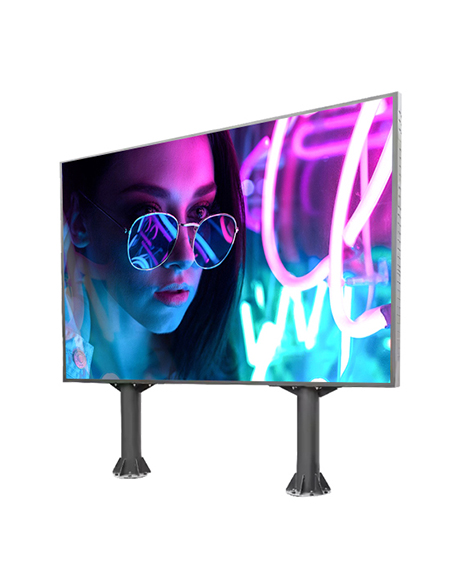
If you want to determine whether a pole-mounted outdoor LED display is reliable, focus on four pillars:
structural safety, electrical safety, display performance, and durability/maintenance. These factors decide whether the screen is safe, usable, and cost-effective over time.
This is the most critical factor. If the structure fails, everything else becomes irrelevant.
Check if the pole, beams, and flanges are hot-dip galvanized
Look for rust, poor welding, or missing welds
Confirm the project includes wind-load and seismic calculations (mandatory for professional installations)
Inspect the concrete foundation for cracks, settlement, or tilting
Ensure multi-point fixation between cabinets and the pole (not just a few hanging points)
Verify stainless steel anti-theft bolts are used and properly tightened
No anti-fall protection at height → immediate fail
Standard outdoor requirement: ≥ Level 12 wind resistance
Coastal areas: Level 14–17
Thin cabinets or weak back structures → poor wind performance
Most fires and failures originate here, so inspect carefully.
Must use three-phase five-wire system with a dedicated PE ground
Ground resistance should be ≤ 4Ω
No grounding → unacceptable
Required protections:
Leakage protection
Circuit breakers
Surge protection (three-level lightning protection for outdoor use)
Use reliable branded power supplies with PFC and high-temperature tolerance
Cables must be flame-retardant and waterproof
Watch for:
Messy wiring
Exposed conductors
Aging or blackened insulation
Minimum IP65 rating (front side)
Check sealing strips for gaps or aging
Look for signs of water ingress inside cabinets
Ensure proper drainage holes at the bottom (no water accumulation)
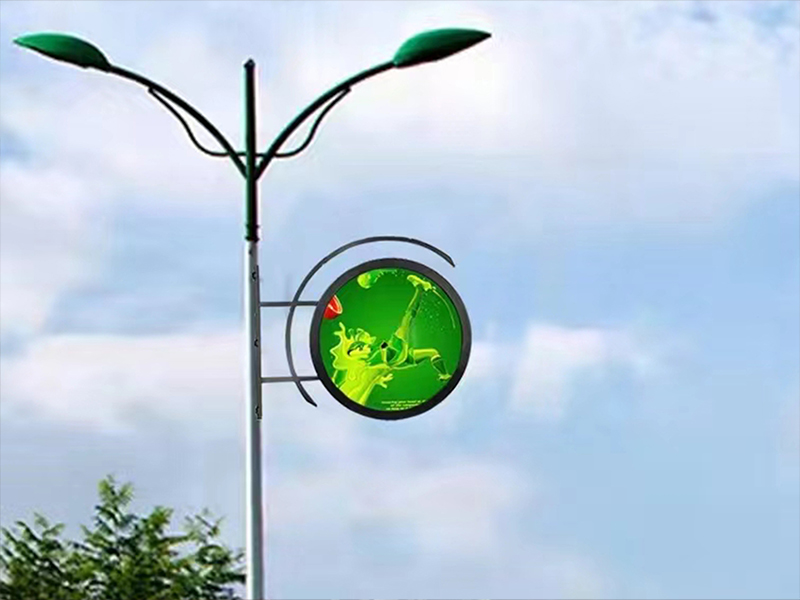
This determines whether the screen is actually usable and visually acceptable.
Outdoor brightness should reach 5500–7000 cd/m² or higher
Display a full white screen:
No yellow/green tint
No uneven color patches
Run full-screen test patterns (red, green, blue, white):
Check for:
Dead pixels
Dim pixels
Stuck-on pixels
Then run content for 10–20 minutes:
Look for flickering, glitches, blackouts, or unexpected restarts
From a distance: surface should appear smooth
Up close: seams should be uniform
Visible misalignment → poor structural precision and future loosening risk
Outdoor screens must survive sun, rain, and temperature extremes.
Use reputable LED brands (e.g., NationStar, Kinglight)
Mask should be UV-resistant (no yellowing or powdering over time)
Screen should remain stable under direct sunlight:
No blackouts
No signal loss
No aggressive brightness throttling
Poor thermal design accelerates failure of power supplies and ICs.
Inspect poles, clamps, and steel structures for rust
Coastal installations require:
Thicker galvanization
Additional anti-corrosion coating
Even the best screens fail eventually—what matters is how quickly you can fix them.
Front maintenance is preferred (rear access is often impossible for pole screens)
Modules should support magnetic quick removal for high-altitude servicing
Should support:
Remote control
Scheduled brightness adjustment
Monitoring and fault alerts
For 24/7 operation:
Dual signal backup (hot redundancy) is highly recommended
Ensure modules, power supplies, and receiving cards are standardized and replaceable
Avoid niche custom designs → they often become unserviceable over time
A reliable outdoor pole LED screen is not defined by brightness alone—it’s a system-level engineering result.
If structure is unsafe, reject it. If electrical is unreliable, it’s dangerous. If display is unstable, it’s unusable. If maintenance is difficult, it won’t last.
Evaluate all four dimensions together, and you’ll quickly identify whether a project is truly dependable or just looks good on the surface.
 +86 18688923792
  andy@tosled.com