


Industry news


View: 450

Release time:2026-04-20
Brands and public institutions increasingly look for innovative ways to communicate sustainability. Standard displays often fail to leave a lasting impression. In contrast, leaf-shaped creative LED screens combine symbolic design with advanced display technology, making environmental messaging more engaging and memorable.
When you align form with message, you strengthen both visual impact and audience recall. Below, we break down the feasibility, challenges, and optimization strategies for using leaf-shaped LED displays in environmental campaigns.
1. Core Feasibility: Why Leaf-Shaped LED Screens Work
Strong Visual Symbolism
First, the leaf itself carries powerful meaning. It instantly represents nature, sustainability, and low-carbon living. By shaping an LED display like a leaf, you make the theme at a glance.
Compared to traditional rectangular screens, this approach:
Creates stronger visual identity
Enhances memorability
Adds a sense of ceremony and storytelling
As a result, audiences connect with the message more quickly and emotionally.
Mature Customization Technology
Next, current LED technology fully supports creative shapes. Manufacturers now use:
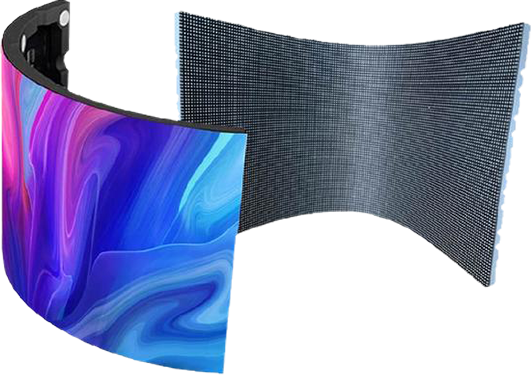
Flexible LED modules for curved and irregular forms
Fine-pitch modules for detailed contours
These technologies allow you to design:
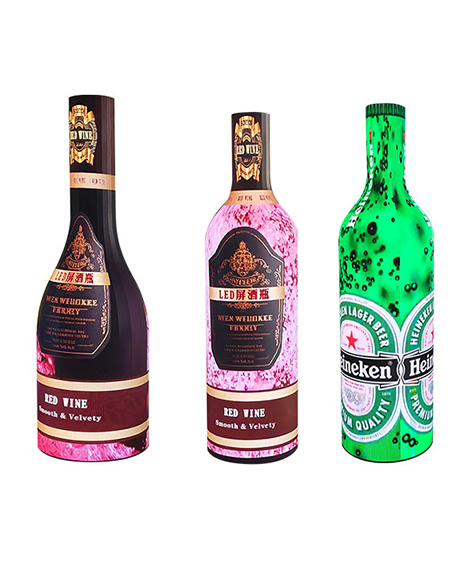
Single-leaf or multi-leaf structures
Leaf vein textures and hollow patterns
Gradient, curved, or suspended installations
You can easily adapt these designs to various environments, including:
Outdoor parks and scenic areas
Shopping mall atriums
Exhibition halls and museums
At the same time, modern systems maintain:
High resolution
Adequate brightness
Seamless visual performance
Strong Content Integration
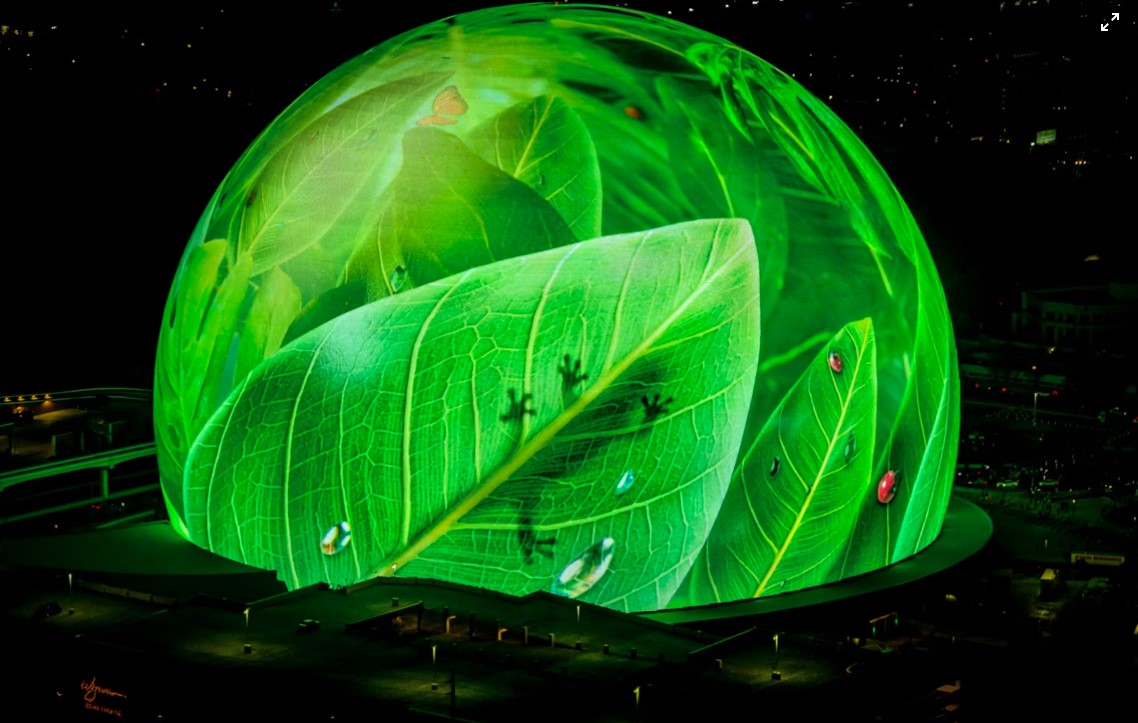
A leaf-shaped LED display does more than look good—it reinforces your message through content. You can directly align visuals with environmental themes, such as:
Leaf growth and photosynthesis animations
Carbon neutrality data and sustainability initiatives
Waste sorting guides and eco-tips
Real-time air quality or plant growth data visualization
Because the content matches the form, the message becomes clearer and more compelling. Moreover, the unique design encourages visitors to take photos and share them, amplifying organic reach.
Versatile Application Scenarios
You can deploy leaf-shaped LED screens across a wide range of environments. For example:
Urban parks and eco-plazas
Environmental exhibition centers
Corporate campuses and government outreach sites
Retail spaces and cultural tourism installations
Importantly, these displays naturally convey a “technology meets nature” concept, which aligns with current sustainability trends.
2. Practical Challenges You Must Consider
Higher Costs Than Standard Displays
Creative designs require:
Custom-cut modules
Specialized structures
Non-standard wiring layouts
As complexity increases—especially with detailed leaf veins—costs rise accordingly. Therefore, you need to balance creativity with budget constraints.
Increased Outdoor Protection Requirements
If you install the display outdoors, you must address environmental risks. Focus on:
Waterproofing and dust resistance
UV protection
Wind-load resistance (leaf shapes can increase drag)
For indoor or semi-outdoor environments, these concerns become much easier to manage.
More Complex Maintenance
Irregular structures complicate maintenance workflows. Compared to standard cabinets:
Module replacement takes more effort
Internal wiring becomes harder to access
Inspection requires careful planning
To avoid future issues, you should design maintenance access points during the early stages.
Content Must Match the Shape
You cannot simply reuse standard video content. Instead, you need to:
Customize aspect ratios based on the leaf outline
Adapt animations to avoid distortion
Optimize layouts for irregular display areas
Without proper content adaptation, even the best hardware will underperform visually.
3. Optimization Strategies for Successful Implementation
To maximize feasibility and ROI, follow these practical recommendations:
Control Shape Complexity
Start with medium or small-sized leaf designs. This approach helps you:
Reduce production costs
Simplify installation
Maintain visual clarity
Choose the Right Display Technology
For outdoor use: select high-protection LED modules
For indoor use: choose flexible LED screens for lighter and thinner structures
Add Interactive Features
Enhance engagement by integrating:
Touch interaction
Motion or human sensors
Dynamic content switching
These features encourage audience participation and deepen message impact.
Integrate Lighting Design
Combine LED displays with ambient lighting to elevate the experience:
Highlight leaf contours at night
Create immersive eco-tech atmospheres
Improve visibility in low-light environments
Conclusion
Leaf-shaped LED displays offer a compelling solution for environmental communication. They deliver strong creative appeal, technical feasibility, and viral potential.
By carefully managing design complexity, installation conditions, and content adaptation, you can minimize risks while maximizing visual and social impact.
Ultimately, if you want to make sustainability messaging more engaging and memorable, this approach stands out as a high-value investment for governments, brands, and public spaces alike.
 +86 18688923792
  andy@tosled.com