


Industry news


View: 416

Release time:2026-04-17
When you install an LED display, the mounting method does far more than hold the screen in place. It directly affects visual performance, structural safety, maintenance efficiency, and long-term cost. In other words, choosing the wrong installation approach can compromise the entire project.
1. They Directly Affect Display Quality
Different installation methods—such as wall-mounted, suspended, or recessed—create different levels of flatness and alignment. As a result:
Uneven surfaces can distort the image
Poor angles can cause glare or reflections
Incorrect positioning can create viewing blind spots or uneven brightness
Therefore, you need precise alignment and the right mounting strategy to achieve optimal visual results.
2. They Determine Maintenance Efficiency
Installation design also dictates how easily technicians can access the screen later.
Front-maintenance designs allow quick repairs without removing the screen
Rear-maintenance setups require space behind the display
Hinged or openable structures simplify servicing
However, if you fail to leave enough maintenance space, even a minor issue—like a faulty LED module—may force you to dismantle large sections of the screen. That significantly increases downtime and labor costs.
3. They Influence Safety Risks
Installation methods play a critical role in structural safety, especially for outdoor or elevated screens.
Large outdoor displays must withstand wind loads, vibrations, and environmental stress
Suspended or high-altitude installations require strict load calculations and secure rigging
Column-mounted structures depend heavily on foundation strength
If installers ignore these factors, they increase the risk of screen detachment, structural failure, or even fire hazards.
4. They Affect Cost and Lifespan
The installation structure controls environmental protection factors such as:
Heat dissipation
Waterproofing
Dust resistance
When you combine harsh conditions with poor installation, the screen will age faster and require more frequent repairs. On the other hand, a well-designed structure extends lifespan and reduces total cost of ownership.
Here’s a clear comparison of the most widely used approaches:
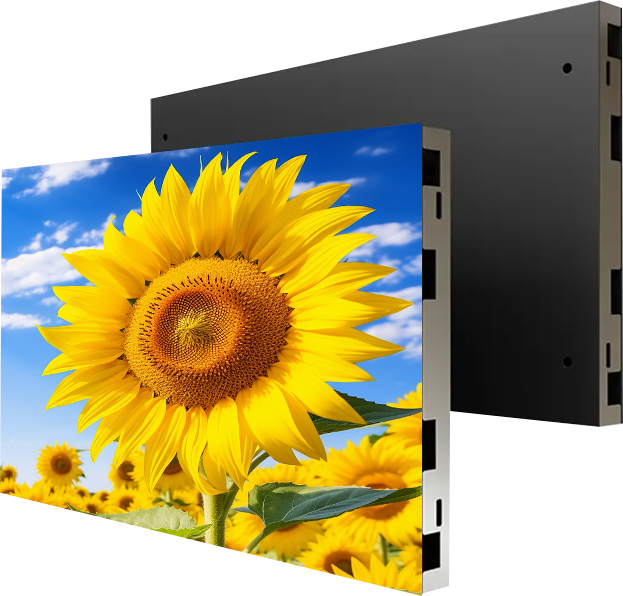
• Wall-Mounted Installation
Installers commonly use this method indoors. It saves space and works best on flat, load-bearing walls.
• Suspended Installation
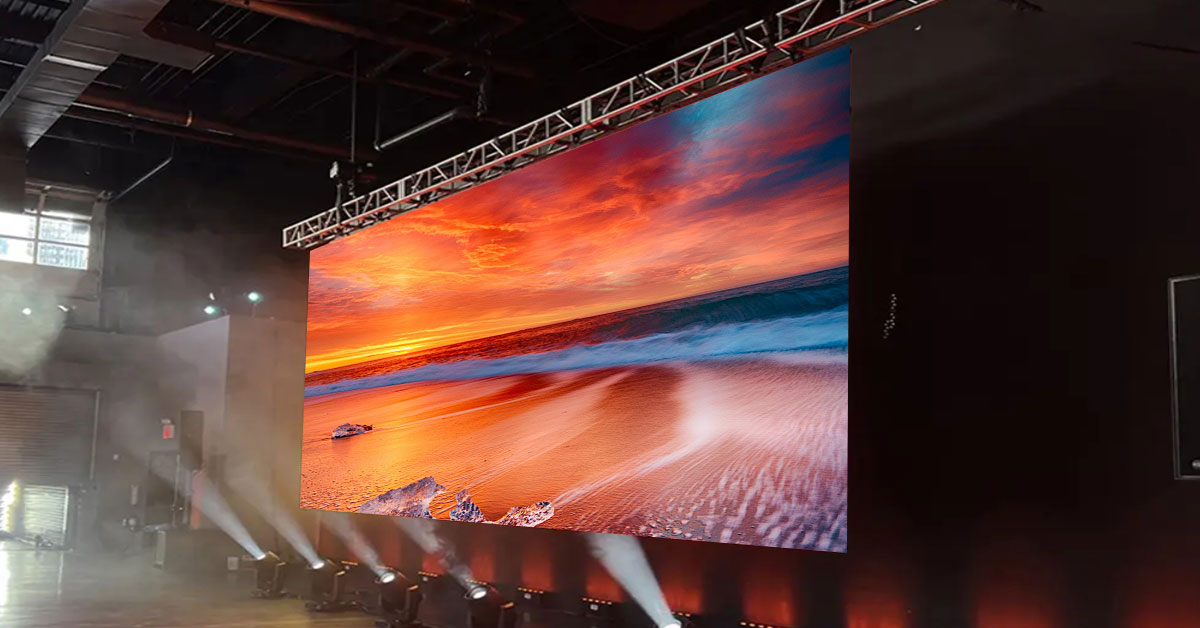
Designers often choose this option for stages, exhibition halls, and shopping mall atriums. It delivers strong visual impact, but it also demands high load capacity and precise structural design.
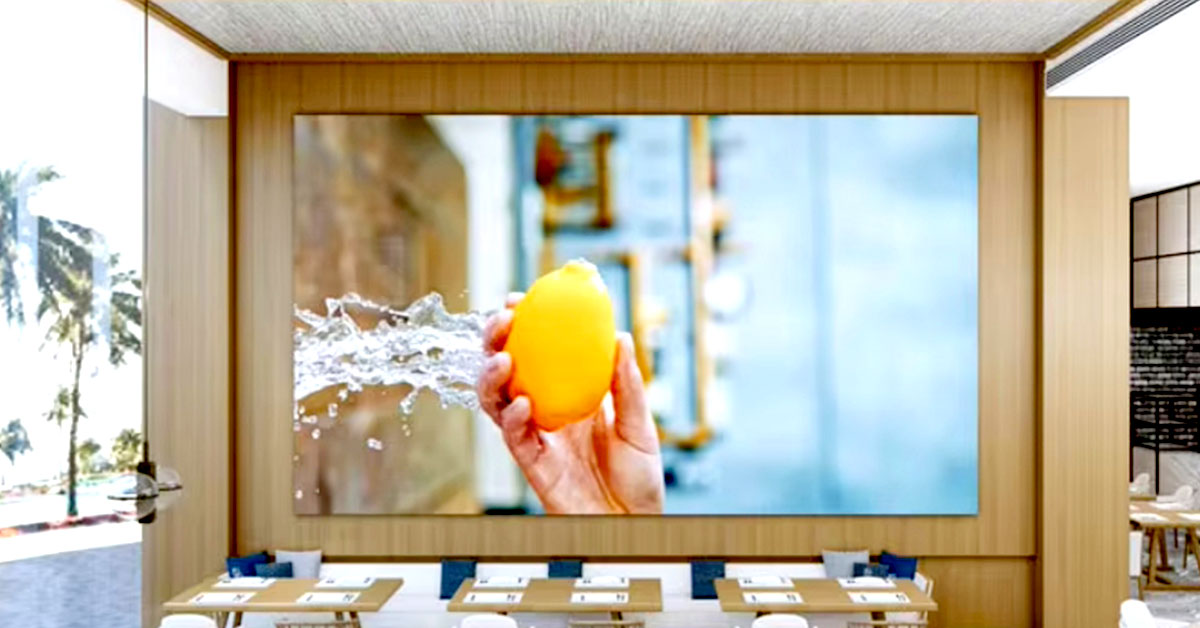
• Recessed (Embedded) Installation
This method creates a clean, integrated look by embedding the screen into a wall or structure. However, it requires high construction accuracy and careful planning during the building phase.
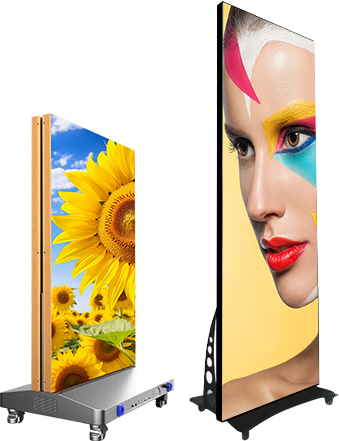
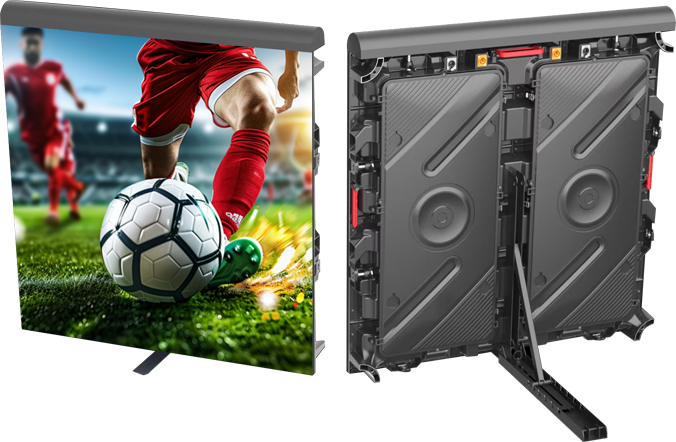
• Column-Mounted Installation
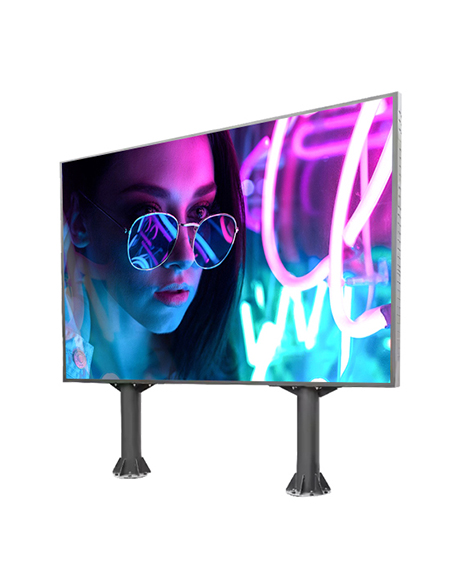
Outdoor advertisers frequently use this setup. It relies heavily on solid foundations and strong wind resistance.
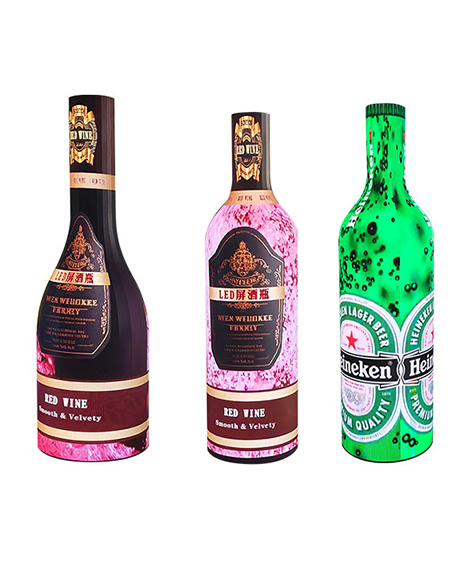
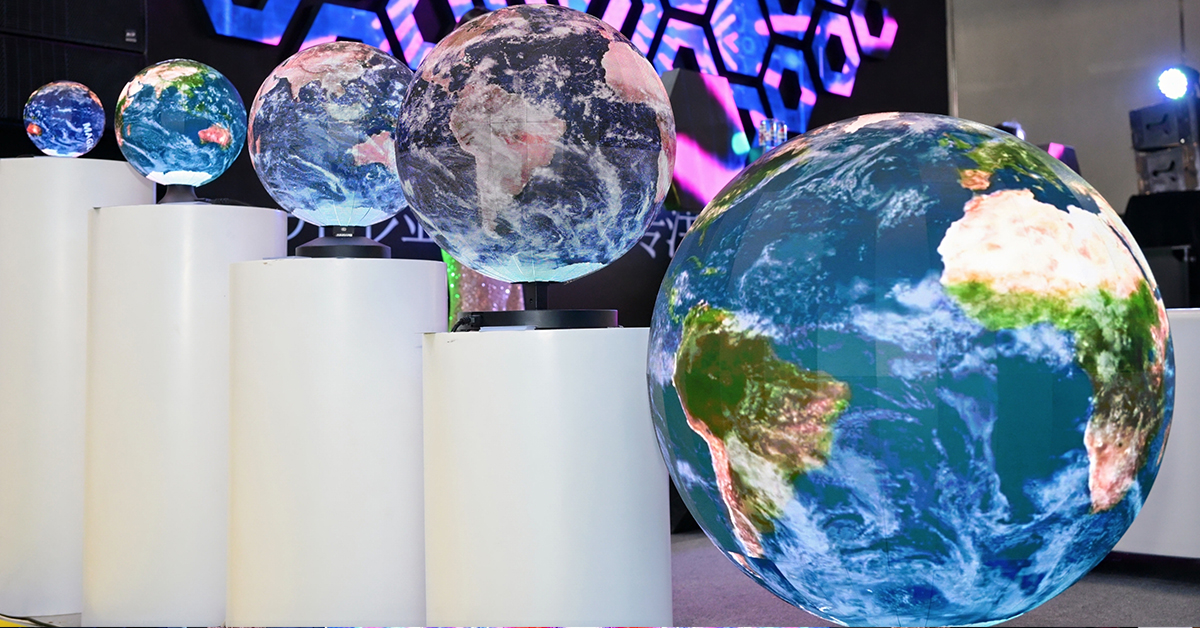
• Curved or Flexible Installation
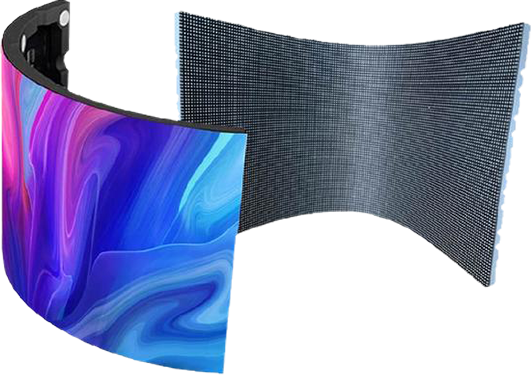
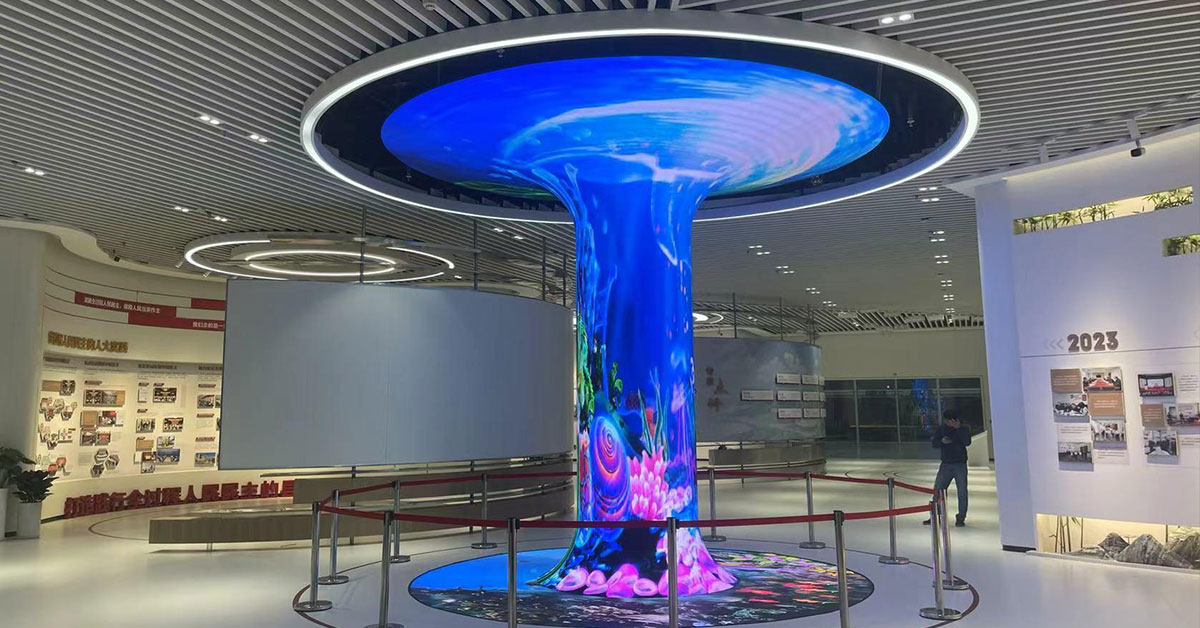
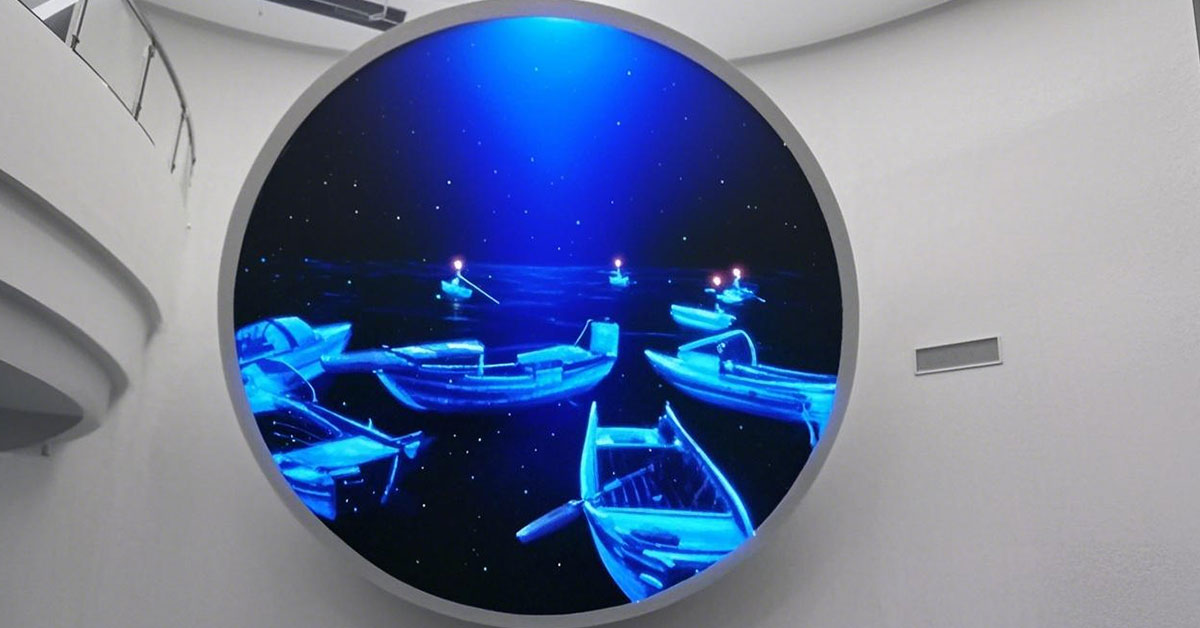
This approach fits irregular surfaces such as curved walls or columns. It requires both precise structural engineering and flexible LED modules.
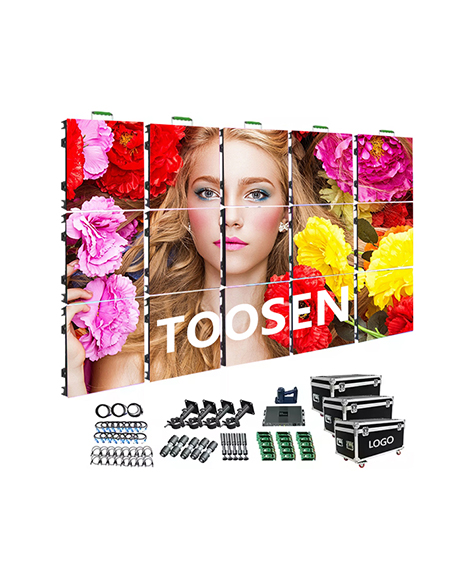
• Mobile / Rental Frame Installation
Event organizers prefer this method for concerts, exhibitions, and temporary setups. It focuses on fast assembly, disassembly, and reliable stability.
Final Takeaway
In practice, the installation method is not a secondary decision—it is a core engineering choice. It shapes how your LED screen performs, how safe it remains, and how much it costs to maintain over time.
If you want consistent image quality, efficient maintenance, and long-term reliability, you must match the installation method to the environment, structure, and usage scenario from the very beginning.
 +86 18688923792
  andy@tosled.com