







Industry news


View: 458

Release time:2026-05-11
Modern gyms no longer focus only on exercise equipment. Today’s fitness centers compete through atmosphere, branding, member engagement, and immersive workout experiences.
As a result, LED displays have become an essential part of gym design.
Fitness facilities now use LED screens to:
Display workout content
Promote membership offers
Broadcast live sports
Create energetic environments
Deliver class schedules
Enhance brand identity
Support virtual fitness programs
However, gym owners often face one important question during installation planning:
Should you choose a hanging LED display or a wall-mounted LED display?
Both solutions offer unique advantages, but the best option depends on your gym layout, ceiling height, audience flow, and operational goals.
This article compares suspended LED displays and wall-mounted LED screens in detail to help fitness centers choose the most effective solution.
What Is a Hanging LED Display?
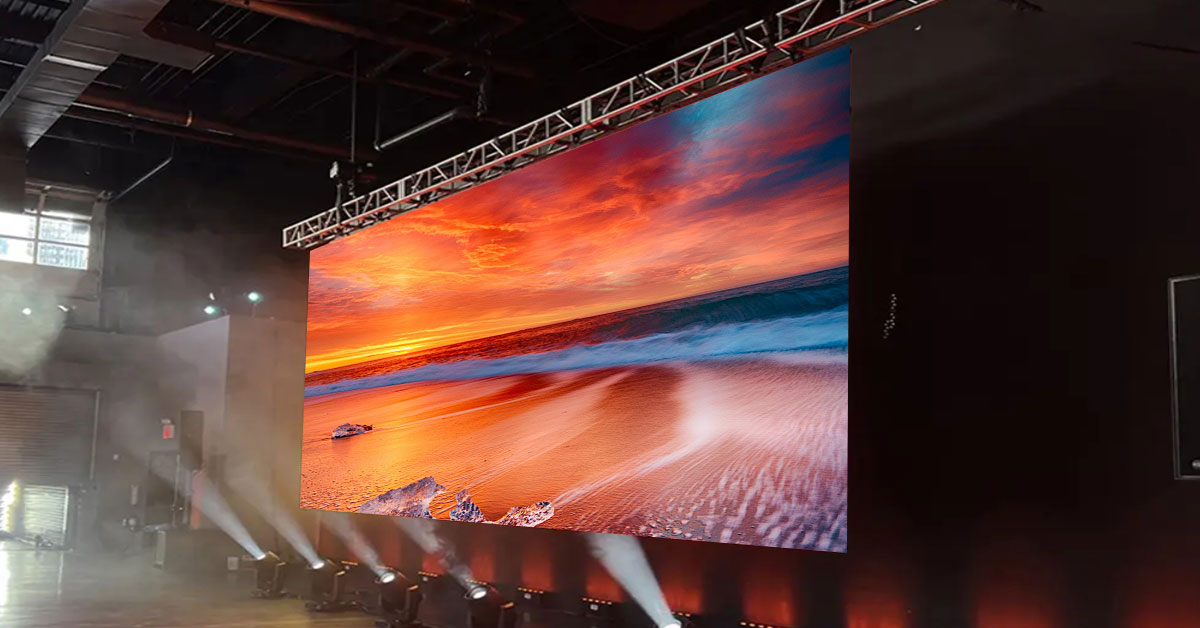
A hanging LED display, also called a suspended LED screen, hangs from the ceiling using truss systems, steel cables, or custom mounting structures.
Gyms often install these displays in:
Large fitness halls
Cross-training zones
Indoor sports courts
Functional training areas
Multi-purpose fitness venues
Suspended LED displays typically remain visible from multiple directions, making them highly effective in open environments.
What Is a Wall-Mounted LED Display?
A wall-mounted LED display attaches directly to a wall surface.
This setup works especially well in:
Boutique gyms
Yoga studios
Cycling rooms
Reception areas
Personal training spaces
Smaller fitness centers
Wall-mounted installations generally provide a cleaner and more space-efficient appearance.
Advantages of Hanging LED Displays in Gyms
Suspended LED screens offer several important benefits for larger fitness environments.
1. Better Visibility Across Open Spaces
One of the biggest advantages of hanging LED displays involves viewing flexibility.
Because the screen hangs above the workout area, members can see content from multiple angles.
This feature works especially well in:
Open-plan gyms
Large cardio sections
Basketball courts
Group training facilities
Unlike wall-mounted screens, suspended displays do not rely heavily on wall positioning.
2. Stronger Visual Impact
Hanging LED displays create a modern, premium appearance.
Large suspended screens naturally attract attention and help gyms establish a more high-tech atmosphere.
This visual effect becomes particularly valuable for:
Luxury fitness clubs
Esports fitness arenas
Smart gyms
Commercial sports centers
3. Improved Space Utilization
Some gyms have limited wall availability because mirrors, windows, storage systems, or equipment already occupy vertical surfaces.
Ceiling-mounted LED screens solve this issue by using overhead space efficiently.
4. Ideal for Centralized Content Delivery
Suspended displays work extremely well for broadcasting:
Live classes
Fitness competitions
Sports events
Motivational visuals
Brand messaging
Large gyms often place hanging LED displays at the center of the facility to maximize visibility.
Disadvantages of Hanging LED Displays
Despite their advantages, suspended LED systems also introduce several challenges.
Higher Installation Complexity
Ceiling-mounted systems require:
Structural analysis
Reinforced mounting systems
Professional rigging
Careful weight distribution
As a result, installation costs usually increase.
Maintenance Can Be More Difficult
Technicians may need lifts or specialized equipment to access suspended displays.
This factor can increase long-term maintenance complexity.
Ceiling Height Limitations
Low ceilings reduce the effectiveness of hanging LED displays.
If the screen hangs too low, it may obstruct visibility or create safety concerns.
Advantages of Wall-Mounted LED Displays in Gyms
Wall-mounted LED screens remain the most common choice for many fitness facilities.
1. Easier Installation
Wall-mounted systems typically require less structural engineering than suspended displays.
This simpler installation process often reduces:
Labor costs
Installation time
Structural modifications
2. Cleaner and More Minimalist Appearance
Many boutique fitness studios prefer clean interior aesthetics.
Wall-mounted displays integrate naturally into modern gym design without dominating the space.
3. Lower Maintenance Difficulty
Technicians can usually access wall-mounted screens more easily.
This convenience simplifies:
Repairs
Cleaning
Module replacement
System inspection
4. Excellent for Focused Viewing Areas
Wall-mounted displays perform especially well in dedicated viewing zones such as:
Indoor cycling studios
HIIT classrooms
Reception lounges
Treadmill sections
In these environments, users typically face one primary direction during workouts.
Disadvantages of Wall-Mounted LED Displays
Wall-mounted systems also have limitations.
Restricted Viewing Angles
Unlike suspended displays, wall-mounted screens generally face only one direction.
Members positioned far from the screen or outside the viewing angle may experience reduced visibility.
Wall Space Dependency
Gyms with large mirrors or equipment-heavy layouts may struggle to allocate enough wall space for large LED installations.
Reduced Visual Dominance
Although wall-mounted displays look clean, they may not create the same immersive visual impact as suspended center-hung screens.
Which Option Works Best for Different Gym Types?
Large Commercial Gyms
Hanging LED displays usually work better because they improve visibility across wide workout areas.
Boutique Fitness Studios
Wall-mounted LED displays often provide a cleaner and more efficient solution.
Indoor Sports Facilities
Suspended LED systems deliver better audience coverage and stronger visual presence.
Yoga and Wellness Studios
Wall-mounted displays support calmer aesthetics and more focused viewing experiences.
Multi-Purpose Fitness Centers
Some facilities combine both systems to maximize flexibility.
For example:
Hanging displays for central zones
Wall-mounted displays for studios and reception areas
Key Factors to Consider Before Installation
Before selecting an LED display solution, gym owners should evaluate several factors.
Ceiling Height
Higher ceilings support suspended installations more effectively.
Viewing Distance
Larger spaces often require elevated display positioning.
Audience Movement
If gym members move constantly throughout the facility, wider visibility becomes more important.
Structural Capacity
Ceiling-mounted displays require adequate structural support.
Content Strategy
Gyms broadcasting immersive visual content may benefit more from hanging LED systems.
Budget
Wall-mounted installations usually cost less overall.
Future Trends in Gym LED Display Design
Fitness technology continues evolving rapidly.
Future gym LED systems may include:
Interactive AI workout displays
Real-time biometric visualization
Immersive virtual training walls
Transparent LED screens
Smart synchronized lighting systems
Integrated fitness gamification platforms
As gyms become more experience-driven, LED displays will play an even larger role in member engagement and brand differentiation.
Conclusion
Both hanging LED displays and wall-mounted LED displays offer valuable advantages for gyms and fitness centers.
Hanging LED screens provide stronger visual impact, wider visibility, and better performance in large open environments. Meanwhile, wall-mounted LED displays offer cleaner aesthetics, easier maintenance, and cost-effective installation for smaller or more focused workout spaces.
The best solution ultimately depends on the gym’s layout, ceiling structure, audience flow, and branding goals.
For many modern fitness facilities, combining both display types creates the most flexible and immersive member experience.
 +86 18688923792
  andy@tosled.com