




Industry news


View: 514

Release time:2026-03-25
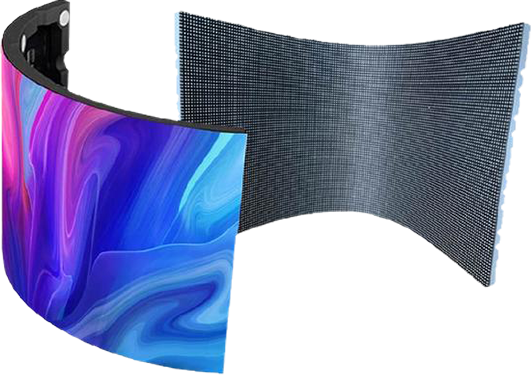
Ribbon LED displays offer unmatched flexibility, especially for architectural integration. You can install them along walls, ceilings, and curved surfaces to create continuous visual lines. However, achieving seamless transitions—especially at corners—requires careful execution.
First, select the right flexible LED modules. Each module has a minimum bending radius, so you must match the product to the installation’s curvature. If you exceed this limit, you risk damaging the module or creating visible distortions.
Next, address corner transitions. For sharp angles, you can use segmented modules to approximate the curve. For smoother curves, maintain consistent bending across the entire surface. This ensures uniform visual output and avoids abrupt breaks.
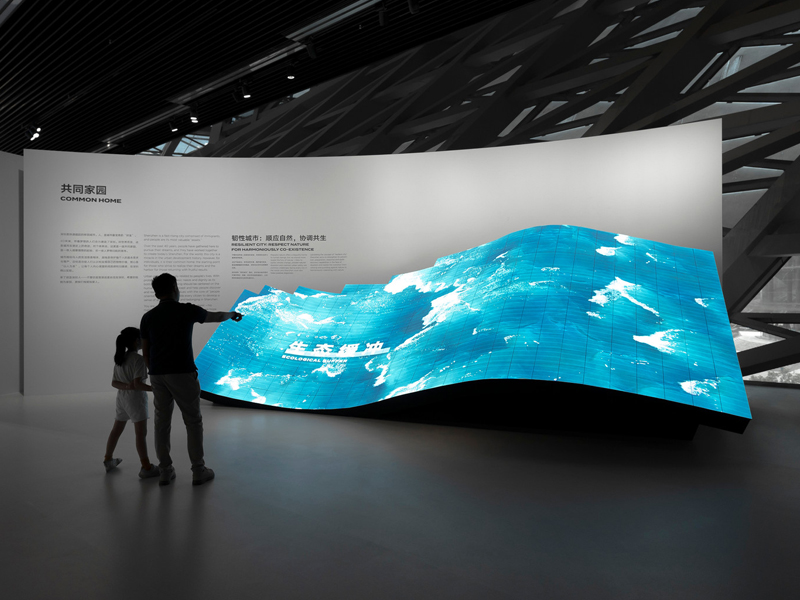
At the same time, pay close attention to seam alignment. Even small gaps can disrupt the visual continuity. To minimize this:
Align modules precisely during installation
Use custom connectors to bridge transitions
Apply edge treatments to conceal seams
Calibration also plays a key role. After installation, adjust brightness and color across all modules to ensure consistency. Without proper calibration, even perfectly aligned modules can appear uneven.
In addition, test the system with dynamic content. Moving visuals reveal alignment issues more clearly than static images. This allows you to fine-tune the installation before final delivery.
When you combine proper hardware selection, precise installation, and thorough calibration, you can achieve a truly seamless ribbon display.
 +86 18688923792
  andy@tosled.com