
Industry news


View: 458

Release time:2026-04-03
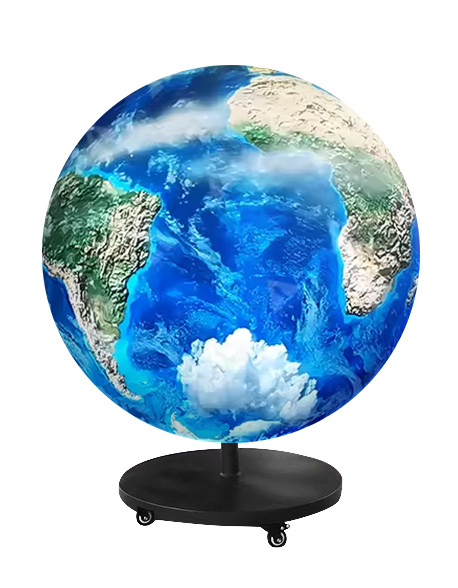
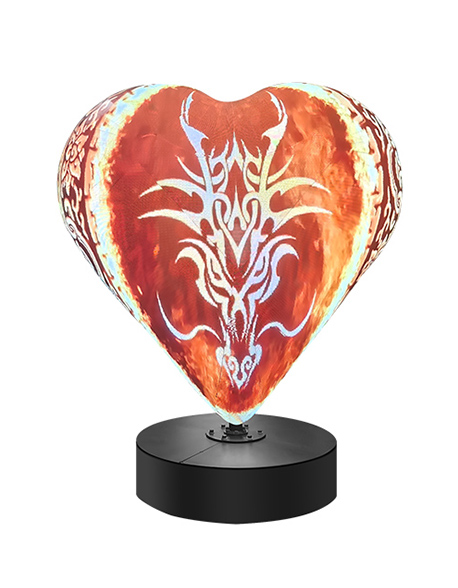
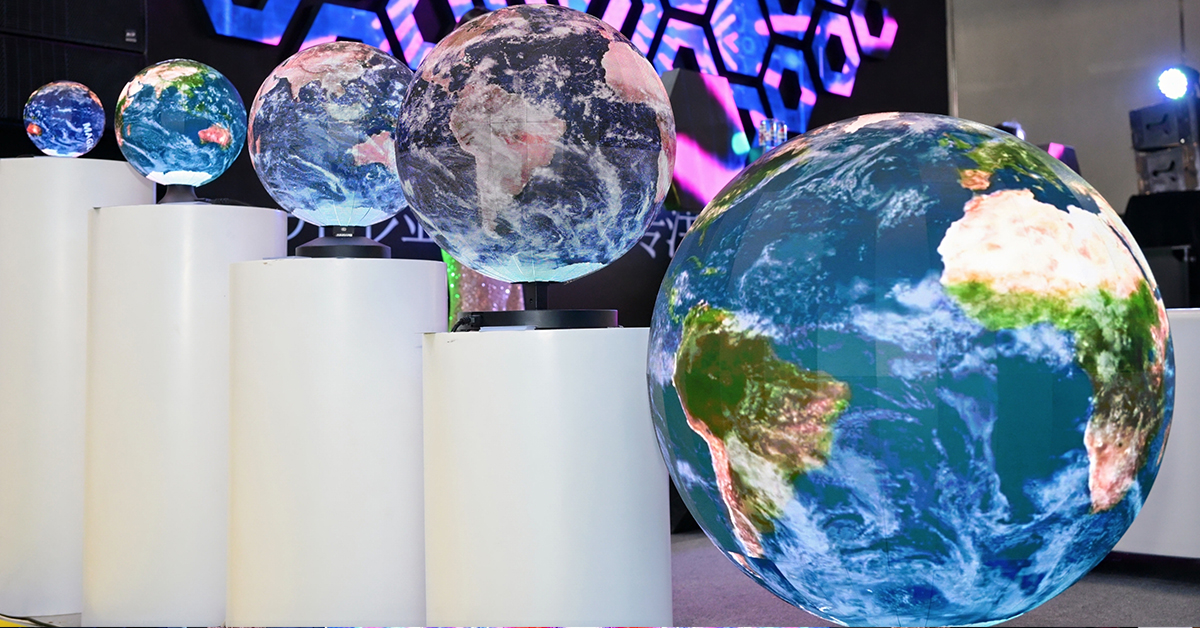
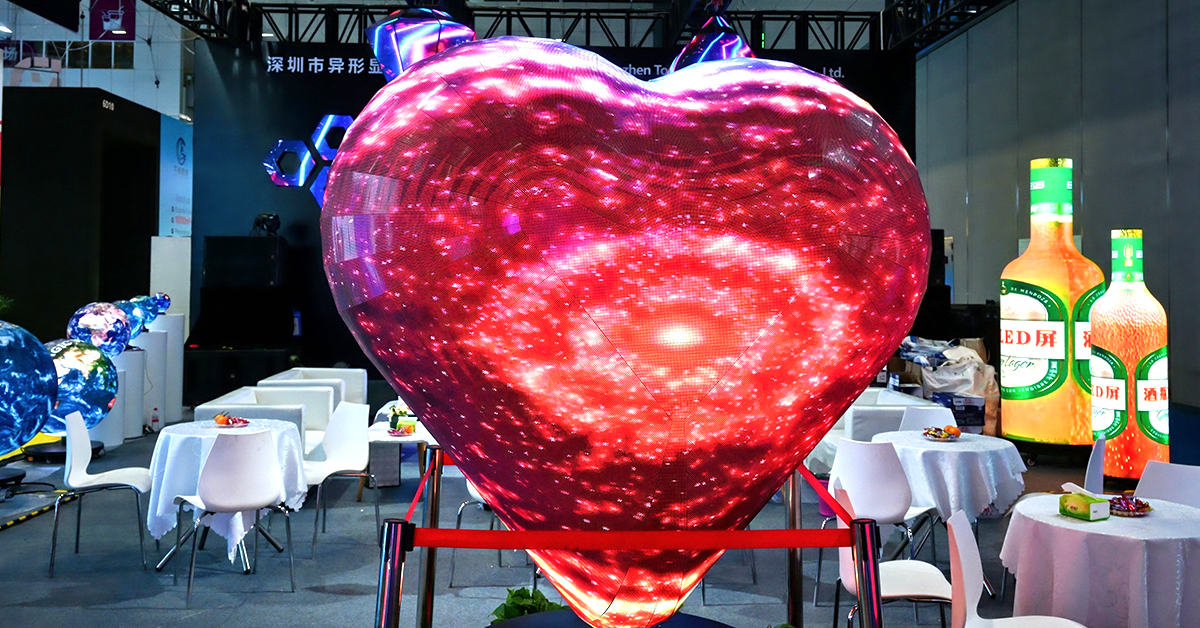
Spherical LED displays come in various forms—hemispheres, hexagonal spheres, “watermelon-slice” structures, and even soccer-ball-style designs. As more brands use these displays for advertising, immersive exhibitions, and landmark installations, choosing the right solution becomes a strategic decision rather than a simple purchase.
To make a well-informed choice, you need to evaluate your project requirements, installation environment, and content strategy. The following guide walks you through the key factors step by step.
Start by clarifying how you plan to use the spherical LED display. This decision directly influences the structure, shape, and technical configuration.
For advertising and brand promotion:
Choose a smooth, continuous spherical design. This ensures that visuals flow naturally across the surface without interruptions, which improves viewer engagement and brand perception.
For landmark installations or themed environments:
Consider a soccer-style (triangular module) spherical LED screen. Compared to traditional “watermelon-slice” structures, this design eliminates display limitations at the poles. As a result, it increases usable display area and delivers a more complete visual experience—especially for iconic installations like stadium features.
Next, evaluate resolution and pixel pitch, as they determine image clarity.
Short viewing distance → smaller pixel pitch → higher resolution
Long viewing distance → larger pixel pitch → cost-efficient solution
For high-end applications, some spherical LED displays can achieve up to 4K resolution, delivering sharp, detailed visuals. However, higher resolution also increases cost, so you should balance performance with practical viewing conditions.
Then, consider the advanced features your project may require.
3D visual effects:
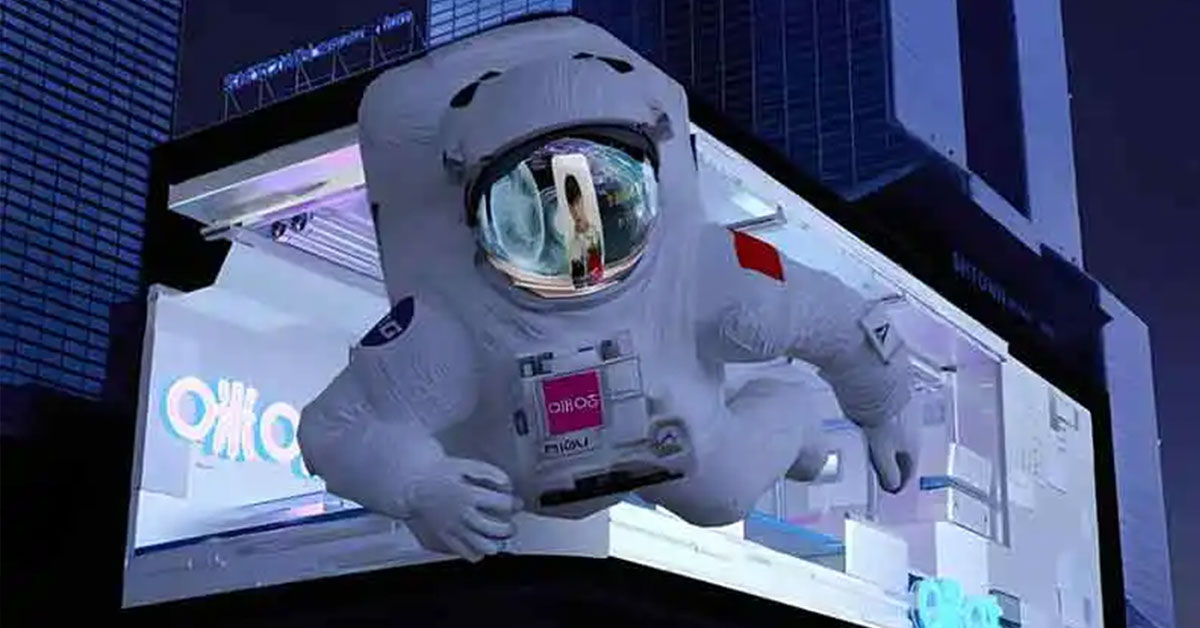
If you plan to create immersive or eye-catching content, choose a system that supports spherical mapping and 3D rendering.
Interactive capabilities:
For exhibitions or experiential spaces, look for displays with motion sensors, touch interaction, or real-time content response.
These features significantly enhance audience engagement but also require more sophisticated hardware and content production workflows.
Environmental conditions play a critical role in display performance.
Indoor installations:
Moderate brightness is sufficient, and you can prioritize color accuracy and resolution.
Outdoor installations:
You should select a brightness level of at least 1000–1500 nits or higher to ensure visibility under direct sunlight.
Additionally, outdoor spherical LED screens must withstand harsh conditions such as rain, wind, and temperature fluctuations. Therefore, check for:
High IP rating (waterproof and dustproof)
Corrosion-resistant materials
Robust structural design
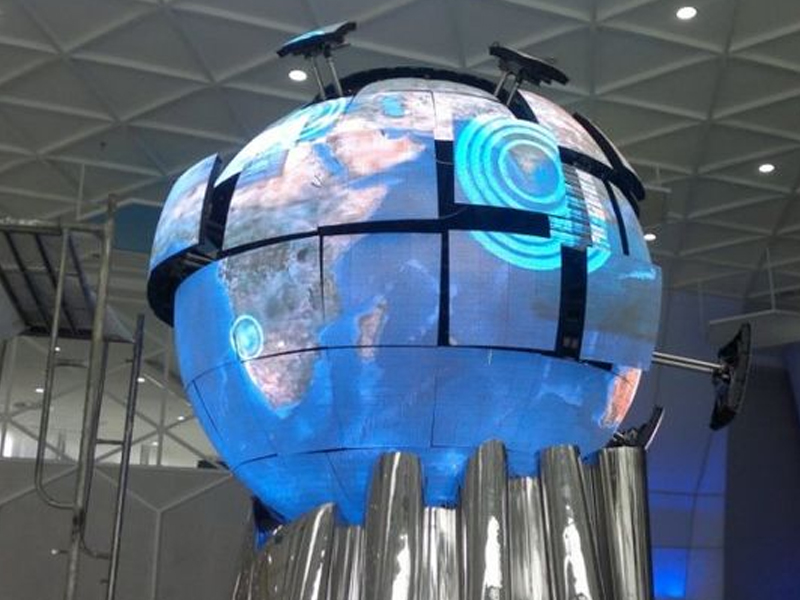
Spherical LED displays vary widely in price—from a few thousand dollars for small units to hundreds of thousands for large-scale installations.
When planning your budget, don’t just consider the screen itself. You should also account for:
Installation and structural support
Control systems and processors
Content production and adaptation
Maintenance and after-sales service
A lower upfront price may lead to higher long-term costs if reliability and support are inadequate.
Finally, selecting the right supplier is critical. The market includes a wide range of manufacturers with varying quality levels.
Avoid choosing purely based on price. Instead, evaluate:
Industry experience
Customization capabilities
Project portfolio
After-sales support
An experienced manufacturer can provide not only a high-quality product but also technical guidance, installation support, and long-term maintenance services—ensuring your investment performs reliably over time.
Choosing the best spherical LED display requires a holistic approach. You need to align design, technology, environment, and budget with your project goals. When you carefully evaluate these factors, you can create a visually striking installation that delivers both impact and long-term value.
If you treat the display as part of a broader visual and spatial strategy—not just a piece of hardware—you will achieve far better results in both audience engagement and return on investment.
 +86 18688923792
  andy@tosled.com