








News
Most genuine customer feedback, highly informative technical support videos, and our latest updates!
Most genuine customer feedback, highly informative technical support videos, and our latest updates!

View: 18

Release time:2026-09-22
A flexible LED screen develops a dark section eight months after installation. The buyer expects a free repair. The supplier asks for module photos, installation details, and operating records.
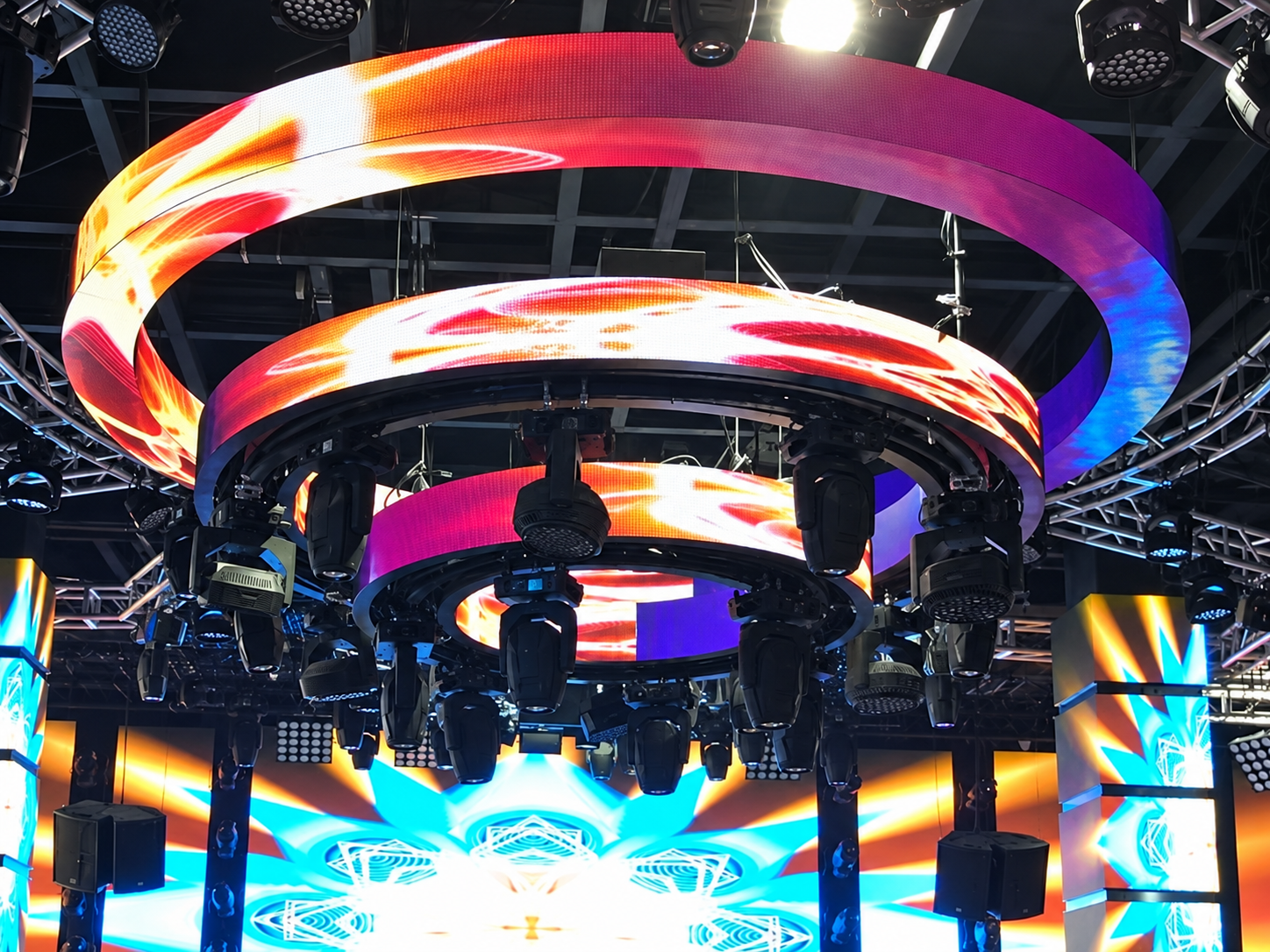
Both are trying to answer the same question: did the product fail under approved conditions, or did something outside those conditions cause the damage?
A useful flexible LED display warranty should explain how that question will be assessed, which parts are covered, and who pays to restore the screen.
The starting point should be defects in materials and workmanship during the agreed warranty period, when the display is installed and operated according to its instructions.
However, “screen warranty” is too broad to settle every claim. Ask for a component list.
| Component | Coverage to confirm | Detail to record |
|---|---|---|
| Flexible LED modules | Manufacturing defects affecting operation | Pixel defect criteria and repair method |
| Power supplies | Failure under approved electrical conditions | Warranty period and responsible supplier |
| Receiving cards | Hardware defects | Whether configuration support is included |
| Cables and connectors | Supplied component defects | Treatment of installation damage |
| Mounting parts | Defects in supplied supports or fixings | Responsibility for the supporting frame |
For each item, confirm whether the supplier repairs it, replaces it, or offers another remedy. Ask whether replacement parts may be refurbished and what warranty remains afterward.
Does coverage begin at shipment, delivery, installation, or acceptance?
For an overseas project, these dates can be months apart. Record the start date and any deadline for reporting shipping damage or defects found during acceptance.
A flexible LED display needs installation instructions that match its intended shape.
Before ordering, ask the supplier to document the permitted bend radius, bending direction, handling method, and support requirements. Also clarify whether the module is intended for a fixed curve or repeated reshaping.
These details matter when assessing damage near a bend or connector. An approved installation drawing gives both parties a reference for checking how the module was fitted.
For curved projects, include the agreed supporting frame design in the project records.
Common LED display warranty exclusions concern damage caused by conditions outside the product specification. Manufacturer policies may exclude misuse, inadequate cooling, water damage, unauthorized modifications, and certain service costs. The exact exclusions vary by supplier and product.
For a flexible screen, clarify these situations before purchase:
Handling damage: torn modules, crushed connectors, or damaged LED surfaces.
Incorrect installation: bending or mounting outside the approved instructions.
Unsuitable exposure: moisture, dust, or temperatures beyond the model’s stated limits.
Electrical problems: incorrect supply voltage, wiring errors, or external surge damage.
Unapproved work: repairs, coatings, or alterations made without supplier agreement.
Ask how the supplier distinguishes an excluded cause from a manufacturing defect. A dark module alone does not establish why it failed.
Also clarify normal aging and appearance changes. Request written criteria for dead pixels, brightness loss, and color differences rather than assuming every visible change qualifies for replacement.
A covered component failure can still leave the owner with expenses.
Some manufacturer warranties exclude installation labor and technician travel. Shipping arrangements also differ: a policy may cover replacement delivery while leaving return freight, duties, or insurance to the customer.
Request a written cost breakdown covering:
Fault diagnosis and workshop repair.
Removal and reinstallation.
Scaffolding or lifting equipment.
Freight in both directions.
Customs charges and technician travel.
Ask separately about lost advertising income or temporary replacement equipment. Do not assume hardware coverage includes business interruption.
Acceptance records provide a useful baseline for later troubleshooting.
Keep the order number, component serial numbers, installation photos, approved drawings, and original controller settings. Record the display running agreed test patterns, with brightness settings noted.
If a fault develops:
Photograph the whole screen and the affected area.
Identify the module position and serial number.
Note when the problem began and whether it is constant.
Record recent changes, such as maintenance or power interruptions.
Contact support before removing or repairing parts.
Follow supplier instructions for diagnostic checks. Obtain return authorization and packaging requirements before shipping a module.
Consider a hypothetical screen wrapped around a shop column. One module stops working, and the supplier approves a replacement.
The module itself may be covered, but access requires removing decorative trim and arranging work after closing time. Those costs need a separate agreement.
This scenario shows why buyers should ask two questions: “Is the failed part covered?” and “What will it cost to make the display usable again?”
It depends on the written pixel defect policy. Ask about defect count, location, assessment conditions, and the available remedy.
Ask whether compatible modules and calibration support will remain available. Physical fit alone does not establish an acceptable visual match.
No. Confirm remote assistance, site visits, response times, and repair turnaround separately.
TOOSEN’s Flexible LED Display page advertises a three-year warranty for LED modules, while describing power supplies and receiving cards as covered by their standard manufacturer warranties. Confirm the applicable component terms in your quotation.
When discussing your project with TOOSEN, provide the installation environment, curve dimensions, operating schedule, and maintenance access. Request the coverage list, exclusions, claim procedure, and service costs together, so your team knows what to expect before placing the order.
 +86 18688923792
  andy@tosled.com