



Industry news


View: 394

Release time:2026-05-20
Horse racing events have evolved far beyond traditional track-side viewing. Today, organizers actively use LED display technology to transform racecourses into immersive, data-rich entertainment environments. As a result, spectators enjoy clearer visuals, real-time insights, and a more engaging overall experience.
Let’s explore how LED displays play a critical role in modern horse racing events and why they have become an essential part of racecourse infrastructure.
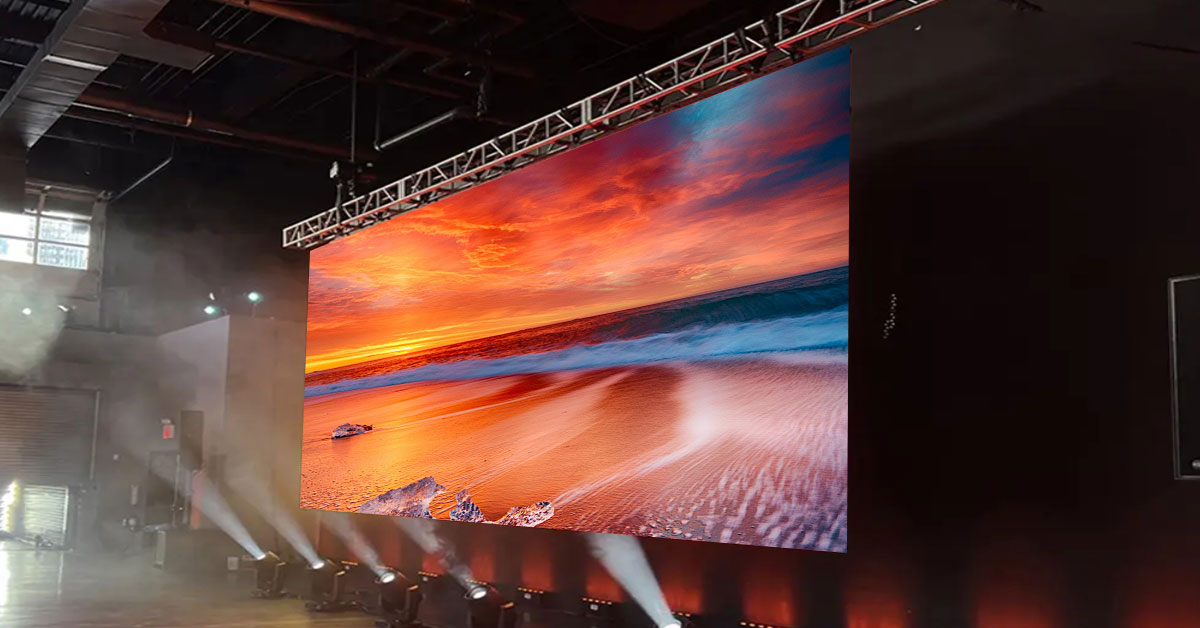
First and foremost, LED displays allow racecourses to broadcast live race footage in real time. Instead of relying solely on binoculars or distant sightlines, spectators can instantly follow every moment of the competition on large, high-brightness screens.
In addition, organizers use multiple camera angles to enhance visibility. For example:
Front-facing shots show the sprint intensity
Side views highlight pacing and positioning
Aerial perspectives reveal overall race strategy
Because of this multi-angle approach, every spectator—no matter where they sit—stays fully connected to the action.
Beyond live broadcasting, LED screens also deliver instant replay functionality. This feature significantly improves how audiences experience critical moments in a race.
For instance, when a horse makes a decisive final sprint or a tight finish occurs, operators quickly replay the sequence in slow motion. Consequently, spectators can analyze the moment in detail and relive the excitement.
Moreover, this replay capability helps increase engagement because fans never miss important highlights, even if they blink during the live moment.
In addition to video content, LED displays actively present live race data. This includes:
Horse positions and rankings
Speed updates
Race timing information
Track progress indicators
As the race unfolds, this data updates continuously. Therefore, spectators gain a clearer understanding of race dynamics without needing specialized knowledge of horse racing.
Furthermore, commentators and analysts often rely on the same data feeds to explain strategies and outcomes more effectively.
Horse racing venues also use LED displays as powerful advertising platforms. Since these screens attract constant attention, they create valuable exposure opportunities for sponsors.
For example, racecourses display:
Brand advertisements between races
Sponsor logos during live events
Promotional animations and campaigns
Event announcements and schedules
As a result, organizers generate additional revenue streams while improving the visual appeal of the venue.
At the same time, advertisers benefit from highly targeted exposure to engaged live audiences.
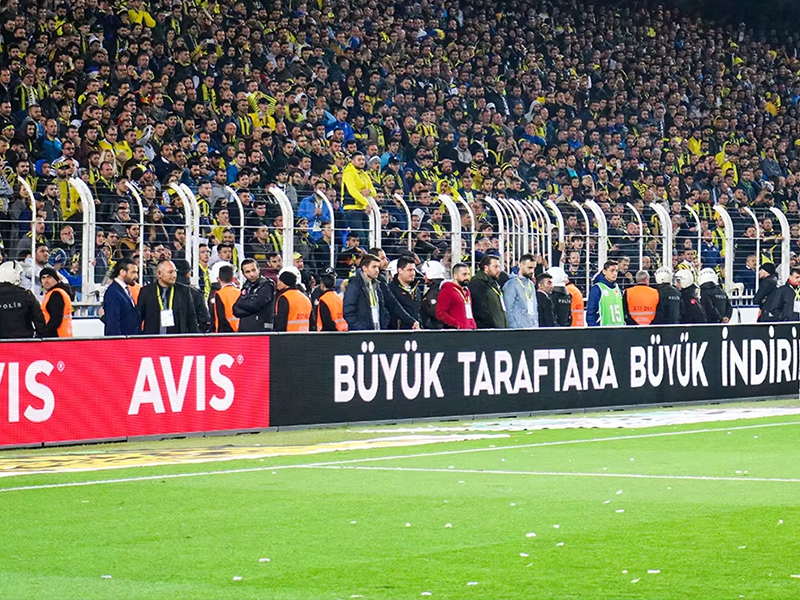
Beyond information delivery, LED screens actively shape the atmosphere of horse racing events.
They help organizers:
Display crowd reactions and live social media content
Show entertainment segments between races
Highlight event branding and themes
Build excitement during key race moments
Consequently, the racecourse becomes more than a sports venue—it transforms into a dynamic entertainment space.
To ensure maximum impact, racecourses carefully position LED displays in strategic locations.
Common installation points include:
Above the main grandstand
Alongside spectator seating areas
Near the center of the track
Behind key viewing zones
Because of these placements, spectators enjoy clear visibility from nearly every angle. In addition, riders, officials, and event staff can also access important race information quickly.
While LED displays enhance experience and revenue, racecourses also prioritize safety and durability.
They typically select LED systems that offer:
Strong weather resistance
High brightness for daylight visibility
Stable long-term operation
Fire-resistant materials
Reliable power systems
Since racecourses operate in outdoor environments with large crowds, reliability becomes just as important as visual performance.
In summary, LED display technology has completely reshaped the horse racing experience. It enhances live viewing, delivers real-time data, supports advertising, and elevates overall event atmosphere.
More importantly, it allows racecourses to bridge the gap between tradition and modern digital entertainment.
As horse racing continues to evolve, LED displays will remain a core component in delivering immersive, informative, and commercially successful events.
 +86 18688923792
  andy@tosled.com