
Industry news


View: 629

Release time:2026-04-29
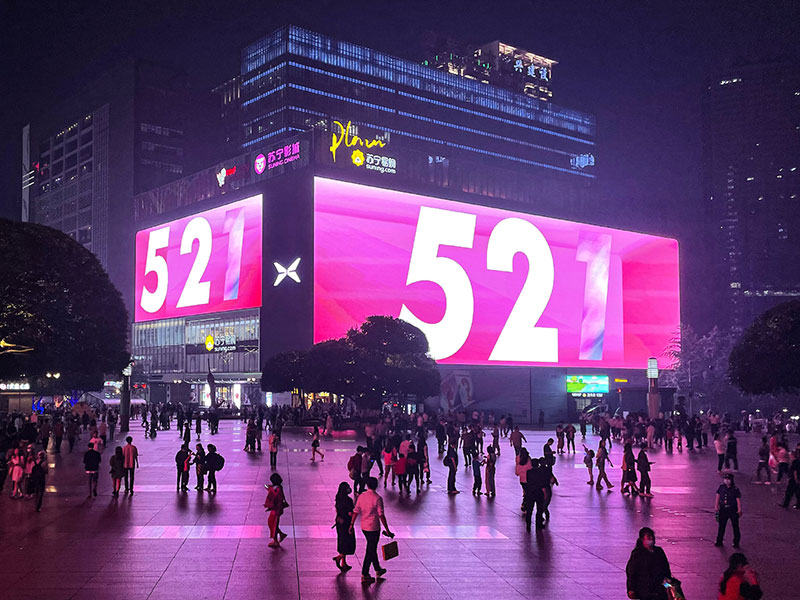
Outdoor LED displays face wind, heat, rain, and constant exposure. If the structure fails, the entire project fails. That’s why structural design must come first—not last.
Unlike indoor screens, outdoor LED displays must handle:
Wind loads
Thermal expansion
Corrosion
Seismic activity (in some regions)
A weak structure leads to deformation, module damage, or even collapse.
Wind is the most critical factor.
You must calculate wind pressure based on local standards. Then apply it to the total screen area.
Design considerations:
Use safety factors
Reinforce large surfaces
Avoid flat-panel“sail effect” where possible
Most outdoor LED screens use steel frames.
Focus on:
Load-bearing capacity
Structural stability
Welding quality
Use galvanized or anti-corrosion steel to extend lifespan.
A strong structure needs a stable base.
Concrete foundations for ground-mounted screens
Anchor bolts for wall-mounted installations
Soil analysis for large installations
Outdoor screens generate significant heat.
Design for airflow:
Rear ventilation space
Cooling fans if necessary
Avoid sealed structures
You must protect both electronics and structure.
Use IP65 or higher rated cabinets
Seal cable entry points
Design drainage paths
Calculate total weight, including cabinets and structure.
Consider:
Wind speed
Temperature range
Rainfall
Sun exposure
Use CAD or structural analysis tools.
Test the design under extreme conditions.
Decide between:
Wall-mounted
Column-mounted
Rooftop installation
Underestimating wind load
Ignoring thermal expansion
Poor drainage design
Using low-quality steel
A reliable outdoor LED structure combines engineering precision with environmental awareness. When you design it correctly, you reduce risk, extend lifespan, and protect your investment.
 +86 18688923792
  andy@tosled.com