

Industry news


View: 492

Release time:2026-03-27
Modern stage design no longer relies on static backdrops. Instead, designers use dynamic LED technologies to create immersive environments that move with the performance. Among these technologies, flexible LED screens stand out for their ability to turn rigid stages into fluid, living spaces.
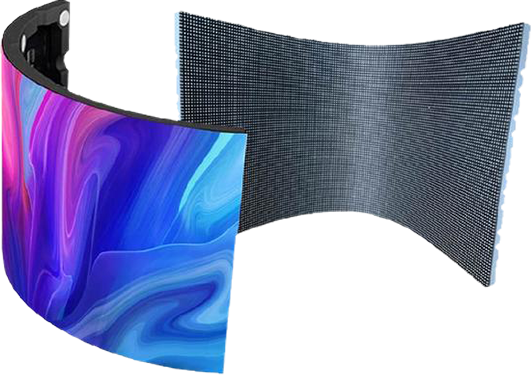
Flexible LED screens—often called soft panels—allow designers to break free from flat surfaces. Because these panels use bendable materials, they can wrap around curved structures and form organic shapes.
For example, designers can create:
Flowing wave-like backdrops
Ribbon-inspired suspended elements
Curved tunnels or immersive stage environments
As a result, the stage itself becomes part of the storytelling.
Unlike traditional LED panels, flexible screens attach directly to curved frames or surfaces. Designers often use magnetic mounting systems or custom-built structures to secure the panels.
This approach ensures that the screen follows the intended shape precisely. At the same time, it maintains a smooth surface without visible segmentation. Consequently, the visuals appear continuous and natural.
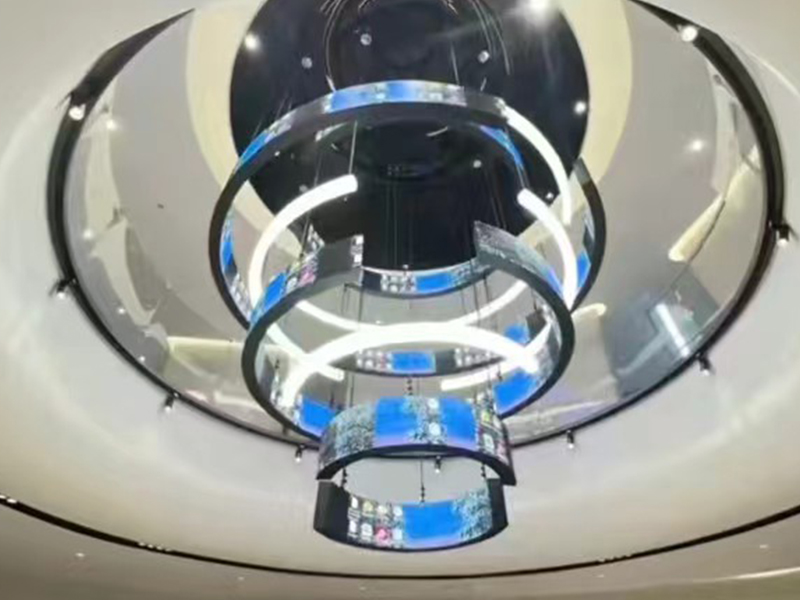
Flexible LED screens do more than display content—they amplify motion. When combined with dynamic visuals, curved surfaces create a sense of depth and flow that flat screens cannot achieve.
For instance, a wave-shaped screen displaying moving water creates a realistic “flowing” effect. Similarly, ribbon-like structures can simulate wind or energy streams, adding visual tension to the performance.
Moreover, designers can synchronize lighting, video content, and stage movement to create a fully immersive experience.
In addition to creative flexibility, soft LED panels offer practical advantages:
Lightweight construction simplifies installation and rigging
Modular design allows quick setup and reconfiguration
Magnetic mounting systems speed up maintenance
Because of these benefits, production teams can adapt stage designs quickly for different events or performances.
Despite their advantages, flexible LED screens require controlled environments. They typically lack strong protective features, so designers should avoid using them in outdoor or high-impact settings.
However, for indoor stages, concerts, and exhibitions, they remain one of the most powerful tools available.
Flexible LED screens redefine what a stage can be. By enabling fluid shapes and dynamic visuals, they transform static environments into immersive, moving experiences.
As stage design continues to evolve, the ability to create “flowing light” will play a central role in captivating audiences and elevating performances.
 +86 18688923792
  andy@tosled.com