

Industry news


View: 450

Release time:2026-04-08
Creative LED displays are highly versatile. However, their design must adapt to different environments. A solution that works in a hotel may not suit a retail store or exhibition hall.
So how do these applications differ?
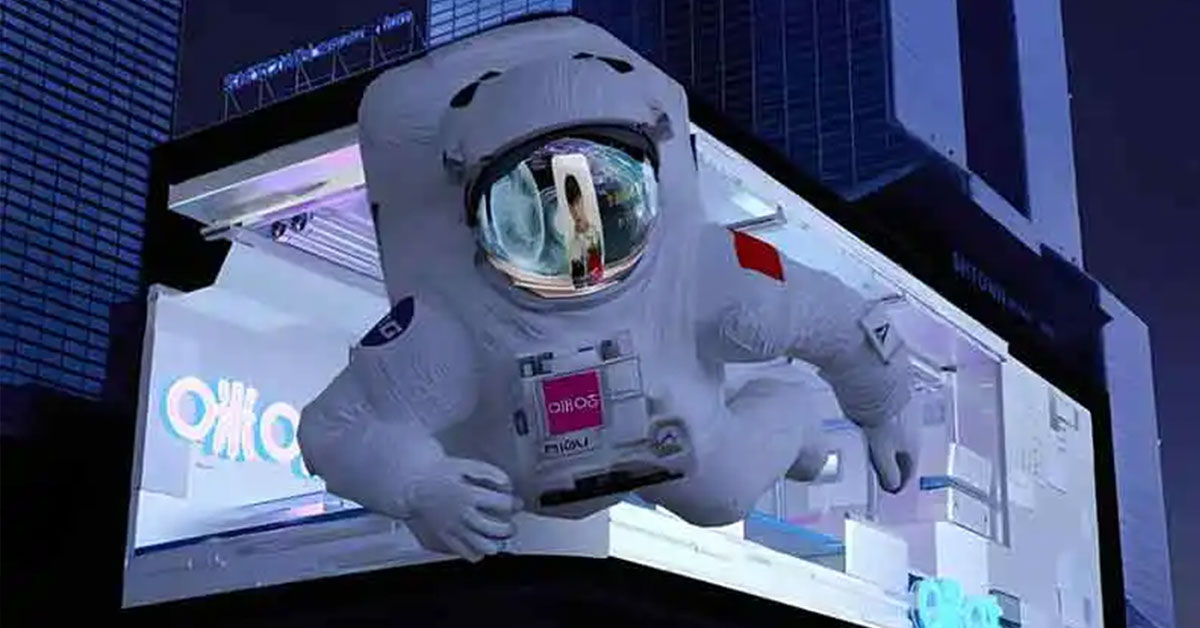
In retail environments, the primary goal is to attract attention and drive sales.
Design characteristics:
Bold shapes and dynamic visuals
High brightness for visibility
Fast-paced content
Therefore, retail displays prioritize impact and immediacy.
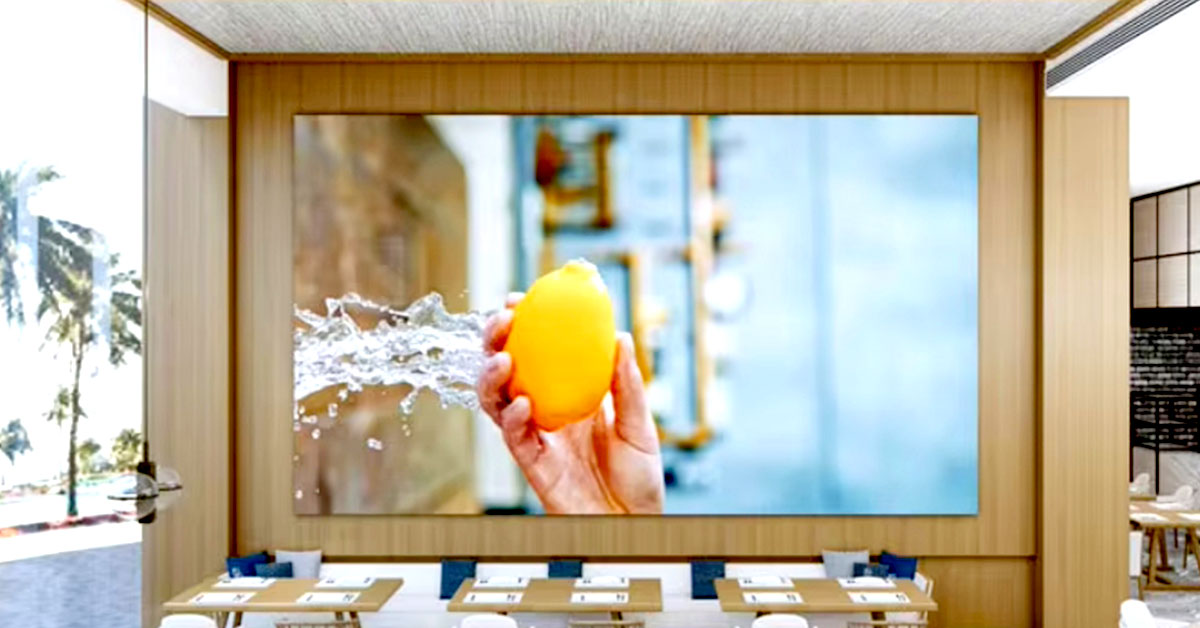
Hotels require a different approach.
Design characteristics:
Soft, elegant visuals
Integration with interior design
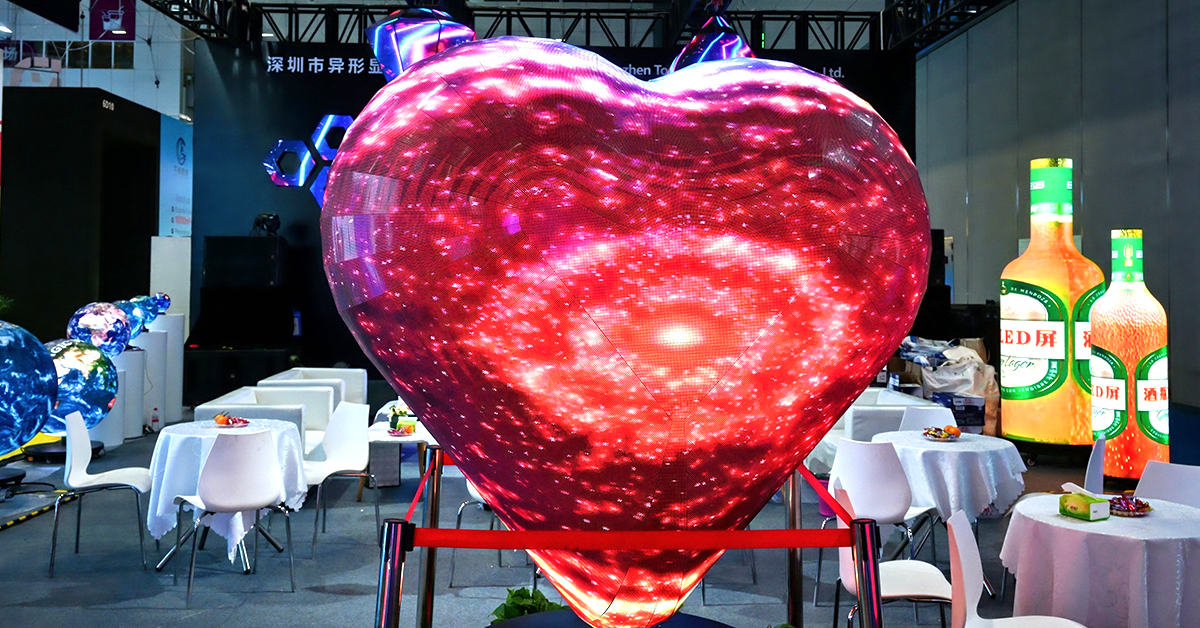
Custom artistic shapes
As a result, hotel displays focus on ambience and emotional experience rather than direct promotion.
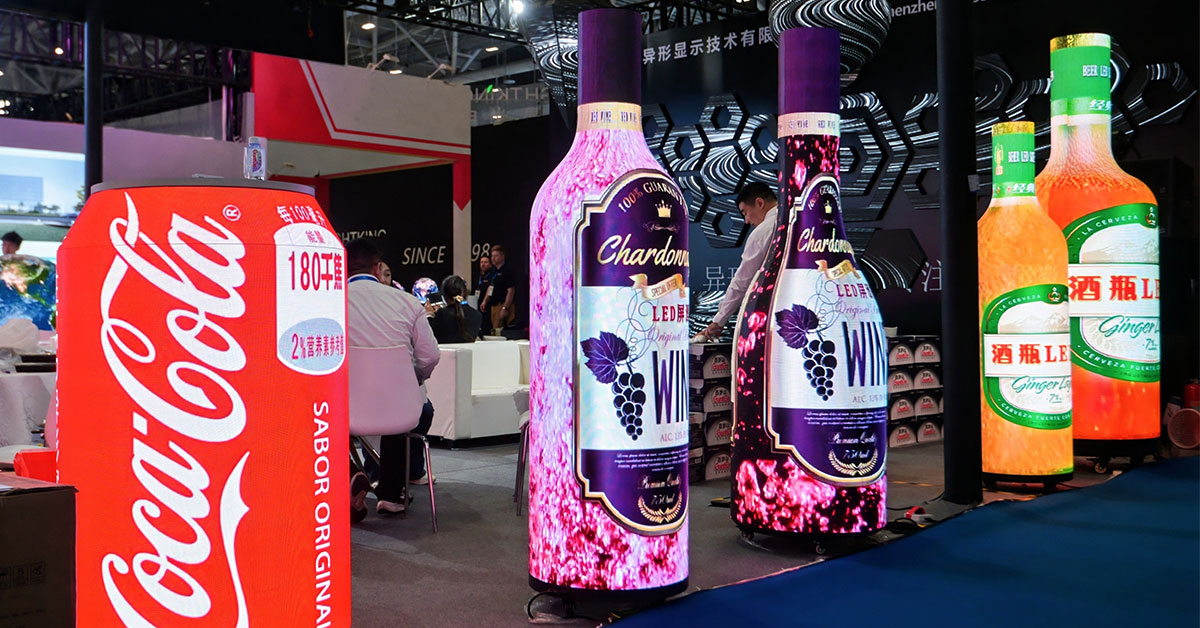
Exhibition spaces need structured communication.
Design characteristics:
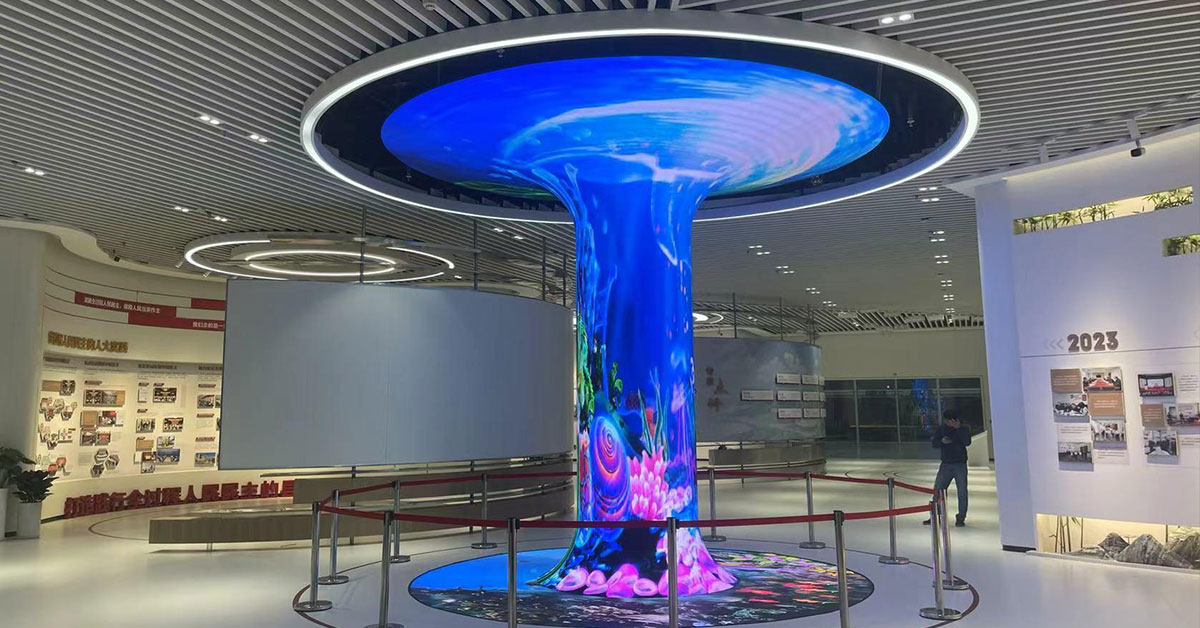
Sequential layouts (corridors, tunnels)
Informational and narrative content
Interactive elements
Consequently, displays function as storytelling tools and navigation guides.
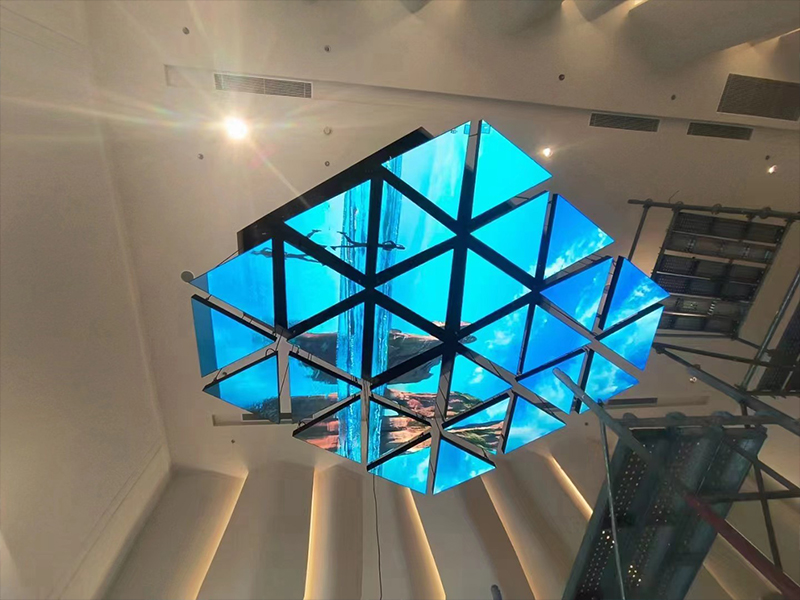
Concerts and live events demand high energy.
Design characteristics:
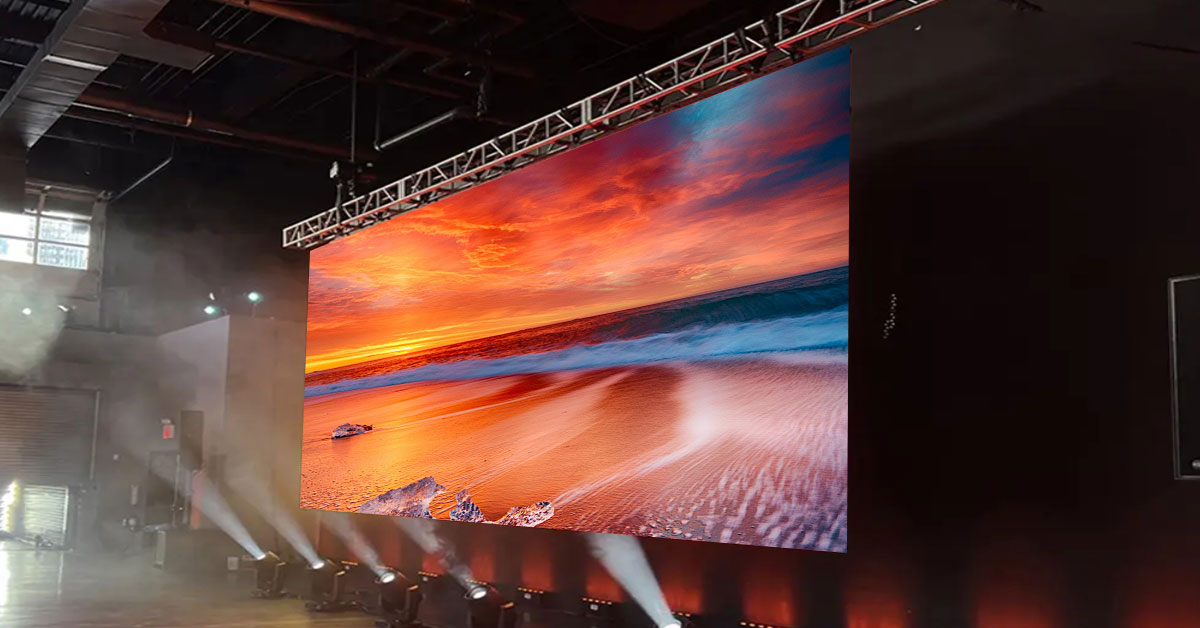
Large-scale installations
Synchronization with lighting and music
Rapid visual transitions
Therefore, displays aim to create maximum visual impact and excitement.
Museums balance information and experience.
Design characteristics:
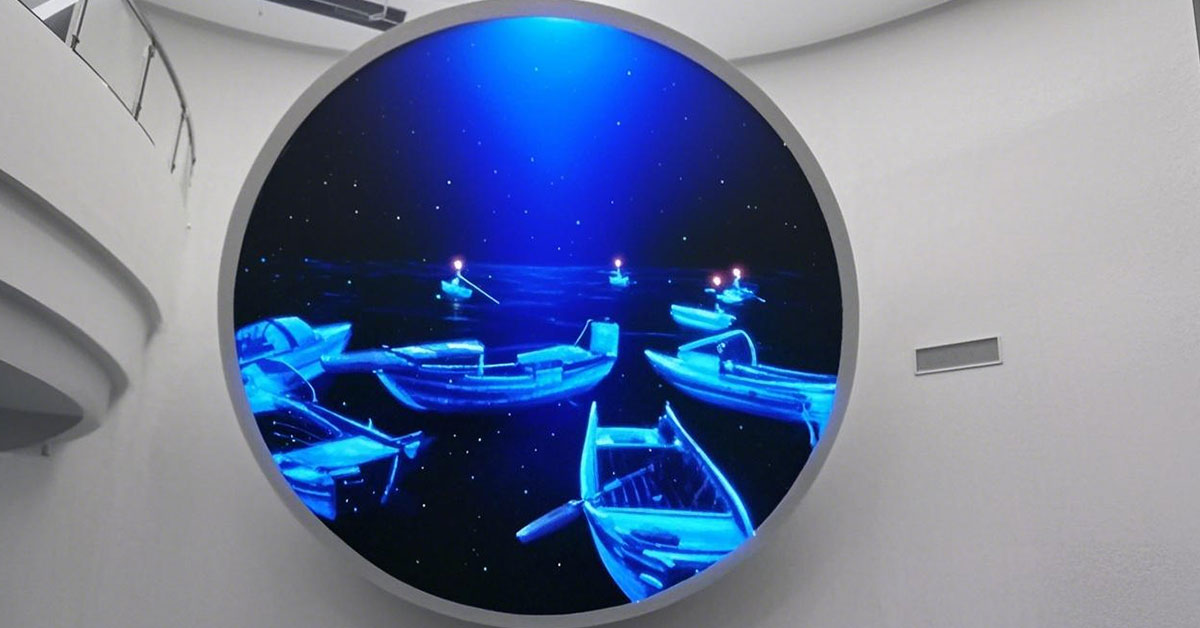
Subtle, context-driven visuals
Immersive environments
Interactive learning elements
As a result, displays support education while enhancing engagement.
Creative LED displays adapt to each scenario by aligning with its core objective—whether it is sales, atmosphere, storytelling, or immersion.
Ultimately, successful design depends on one principle:
the display must serve the space, the audience, and the purpose simultaneously.
 +86 18688923792
  andy@tosled.com