
Industry news


View: 422

Release time:2026-03-30
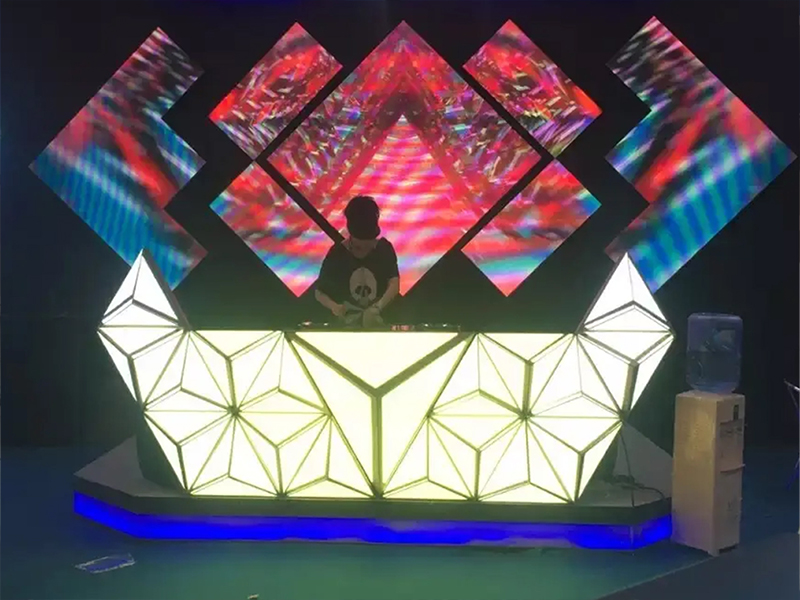
Bar counter LED screens have quickly become a key design feature in modern commercial spaces. Instead of using static materials, businesses now integrate LED displays directly into the bar structure to create dynamic, immersive environments.
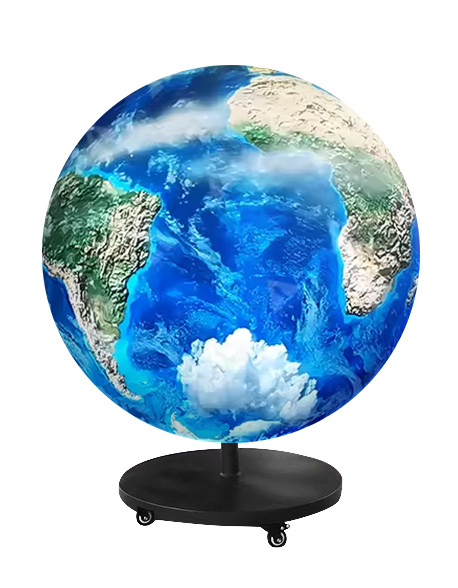
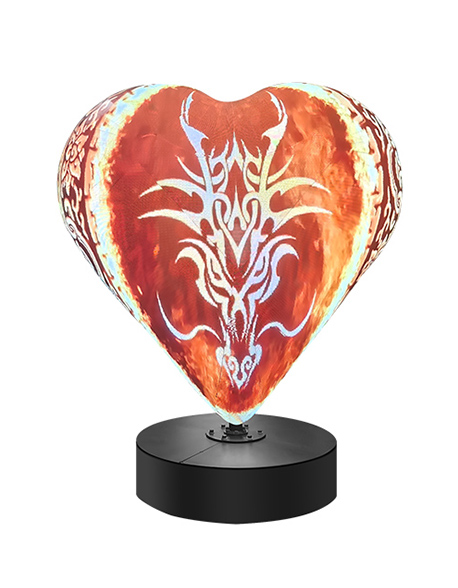
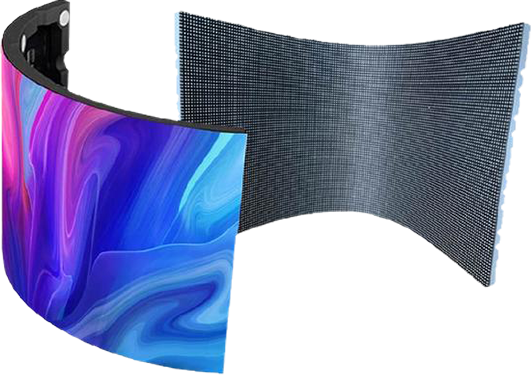
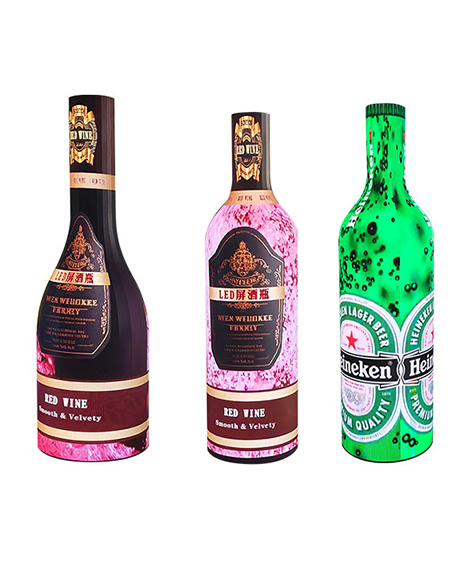
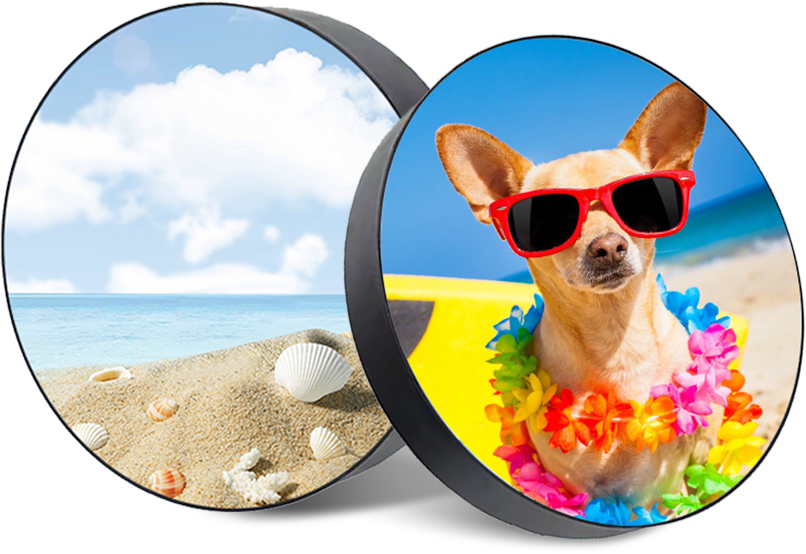
You can shape these screens into curved, circular, embedded, or custom forms. More importantly, they serve multiple purposes at once—atmosphere building, menu display, and brand storytelling.
Below are the most effective application scenarios and how you can use them to stand out.
First, bar counters naturally attract attention. Customers gather, wait, and interact in this area. Therefore, placing an LED screen here maximizes visibility.
At the same time, LED content adds movement and emotion. Instead of a static counter, you create a living visual layer that enhances the entire space.
In nightlife venues, atmosphere drives revenue. LED screens help you create that atmosphere instantly.
You can install:
LED strips or embedded screens on the front of the bar
Displays under the countertop for subtle lighting effects
Then, use content such as:
Flowing liquid visuals and ripple effects
Neon-style animations and color gradients
Real-time menus, signature cocktails, and promotions
As a result, the bar feels more vibrant and upscale. At night, these dynamic visuals significantly boost the venue’s energy and perceived value.
For coffee shops and bubble tea stores, visual appeal drives social sharing. LED screens help you turn your bar into a “photo spot.”
A common approach includes:
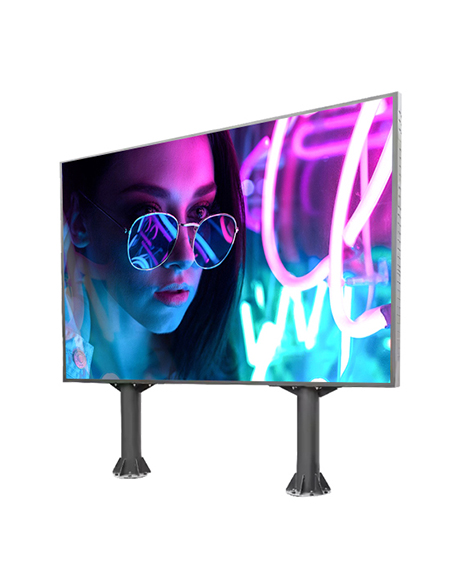
Installing a full LED screen on the back wall behind the counter
Then, display:
Drink-making processes and close-up ingredient shots
Looping brand visuals and product highlights
Seasonal animations for holidays like Christmas, Valentine’s Day, or Lunar New Year
Because of this, customers naturally take photos and share them online. This creates organic marketing and increases brand exposure.
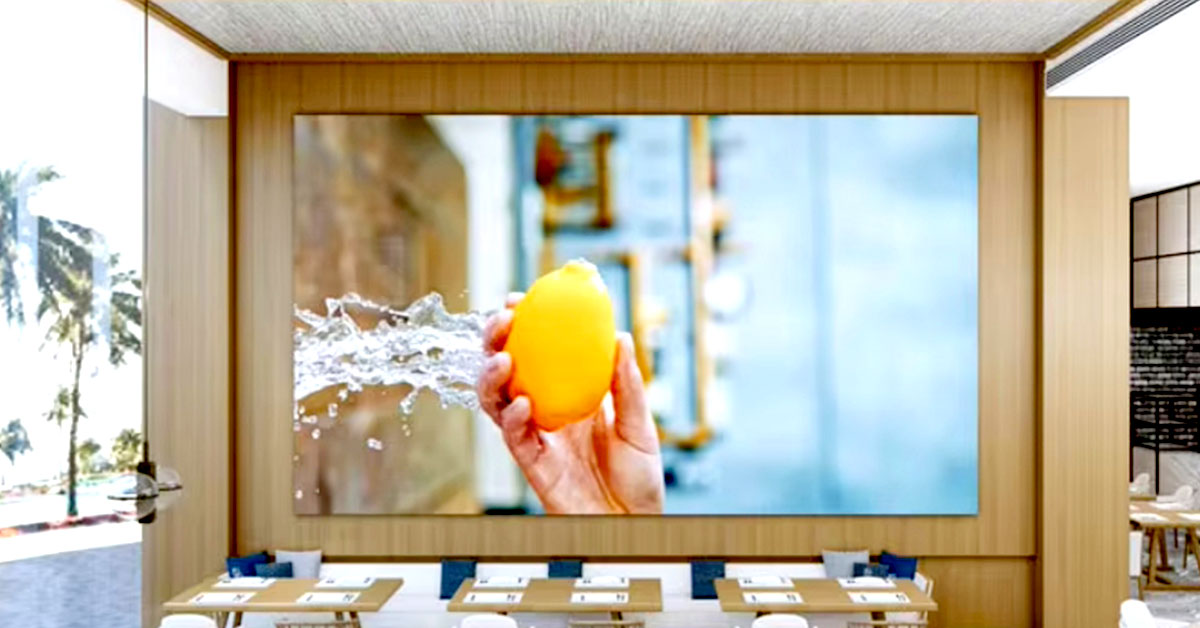
Restaurants can use bar LED screens to enhance the dining experience, especially in open kitchen or counter seating layouts.
For example:
Place a dynamic LED screen behind the bar or chef station
Then, create immersive environments with visuals such as:
Ocean waves for seafood concepts
Starry skies for romantic dining
Flames or grill effects for BBQ restaurants
Forest or nature scenes for themed spaces
This approach helps you differentiate from standard restaurants. It also keeps guests engaged while they wait or dine.
In high-end environments, subtlety matters more than intensity. LED screens still work—but the content should feel refined.
You can:
Use embedded or minimalist LED displays around the bar
Then, show:
Soft motion graphics with elegant color tones
Welcome messages for guests
Time, weather, or ambient visuals
Compared to traditional wall art or decor, LED screens feel more modern and flexible. At the same time, they maintain a clean, luxury aesthetic.
In gaming environments, energy and technology define the space. LED bar counters reinforce that identity.
You can integrate:
Futuristic animations and fast-moving visual effects
Live esports streams and match highlights
Membership offers, pricing, and event promotions
This setup immediately attracts younger audiences. It also strengthens the overall “tech-driven” atmosphere of the venue.
To get the best results, focus on both structure and content:
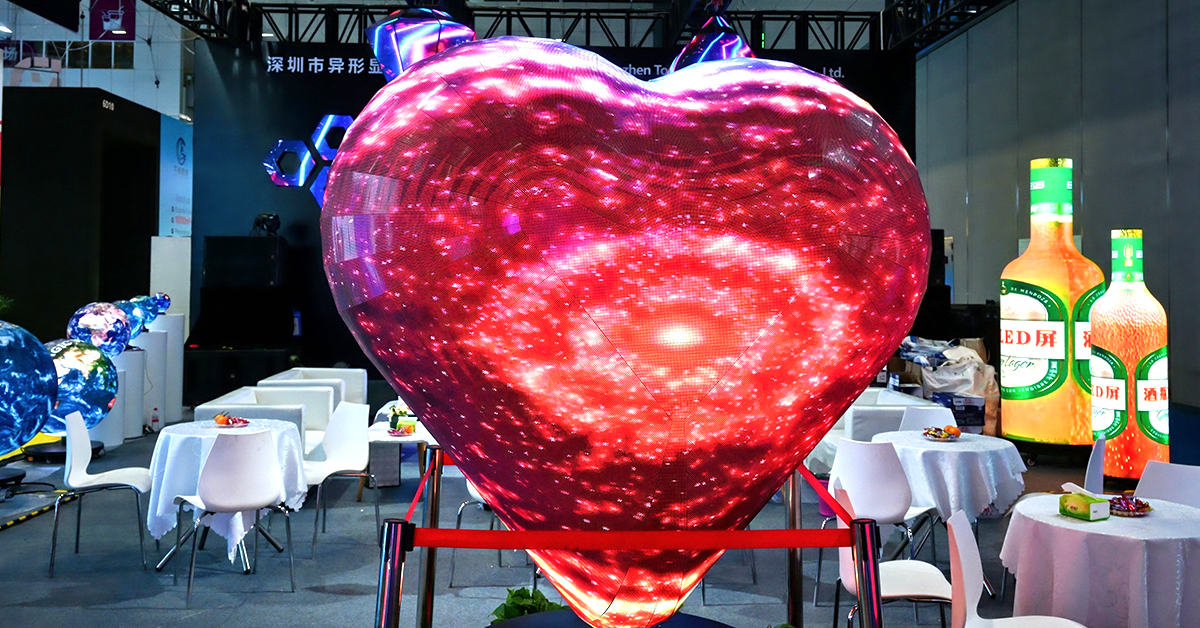
Choose creative shapes
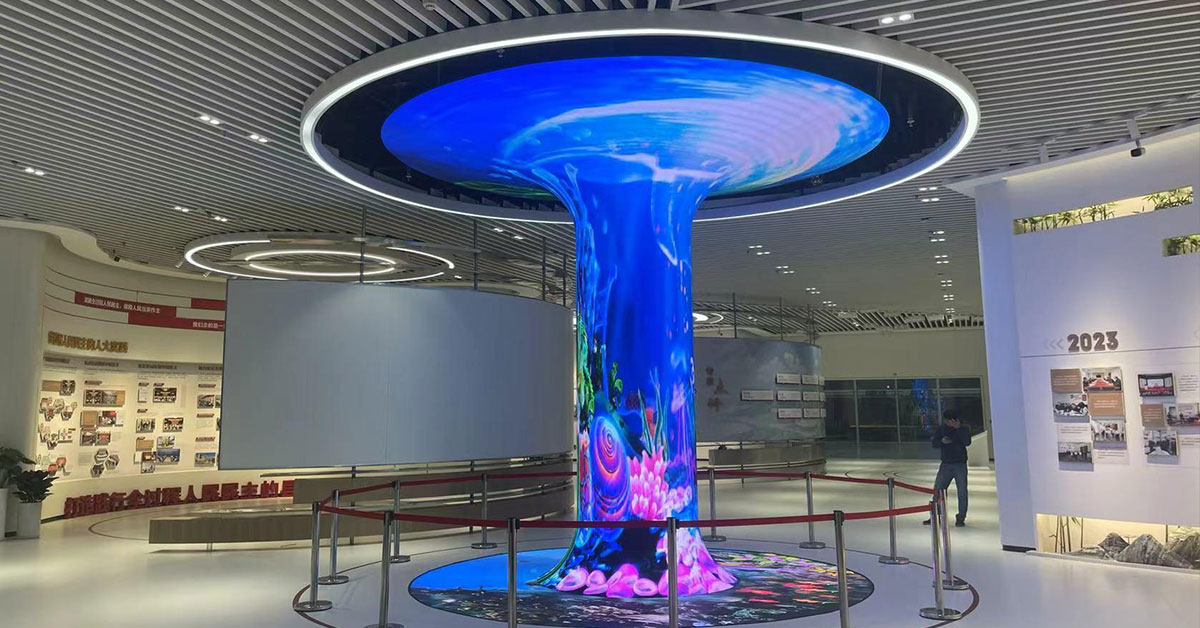
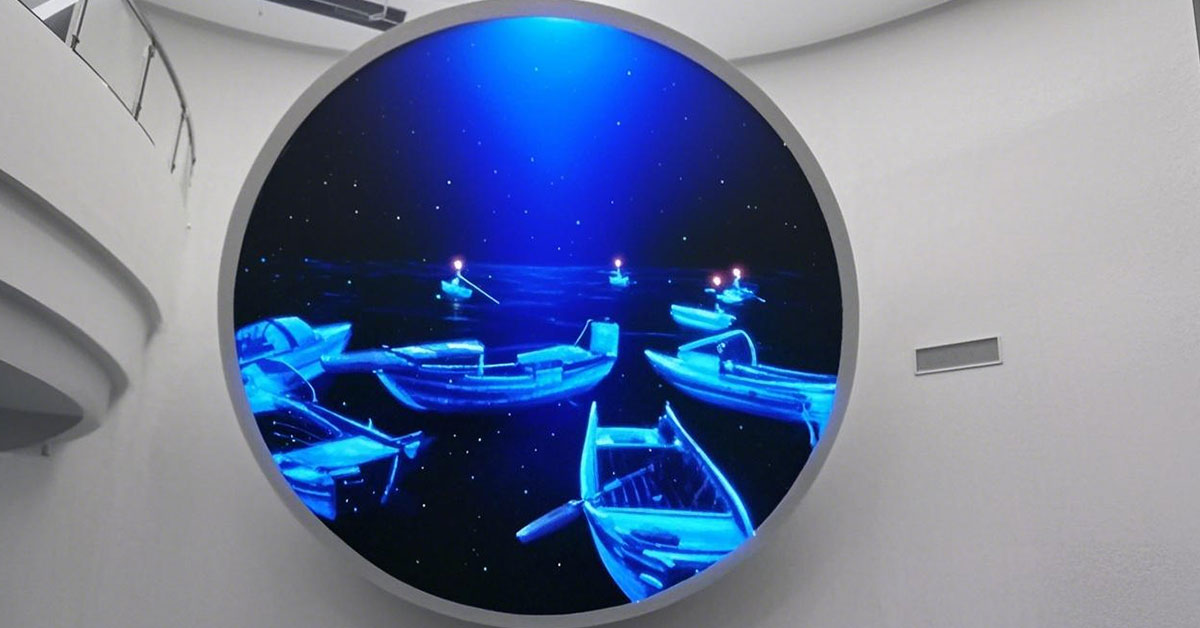
Curved, circular, or wraparound designs feel more immersive than flat screens
Match content to the environment
Use slow, elegant visuals for luxury spaces and fast, dynamic effects for nightlife or gaming
Avoid visual clutter
Keep content clean and readable, especially for menus and pricing
Use high-resolution displays when needed
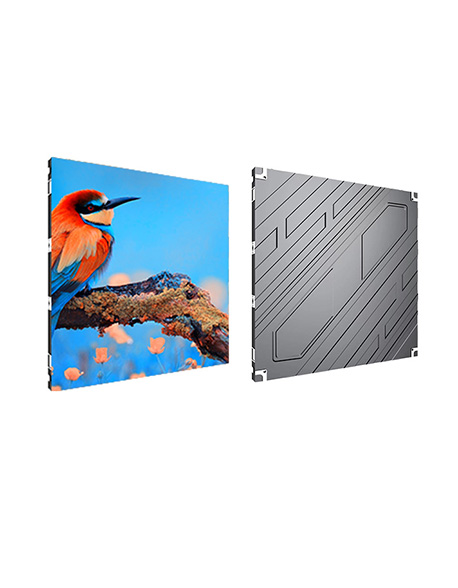
Fine pixel pitch works better for close viewing distances at bar counters
Bar counter LED screens do more than decorate a space. They transform how customers experience your brand.
They:
Capture attention at the most important interaction point
Combine function (menus, info) with visual storytelling
Create immersive, memorable environments
 +86 18688923792
  andy@tosled.com