
Company news


View: 364

Release time:2026-08-07
Traditional LED displays are usually designed in rectangular shapes. However, modern commercial projects and architectural designs increasingly require more creative visual solutions.
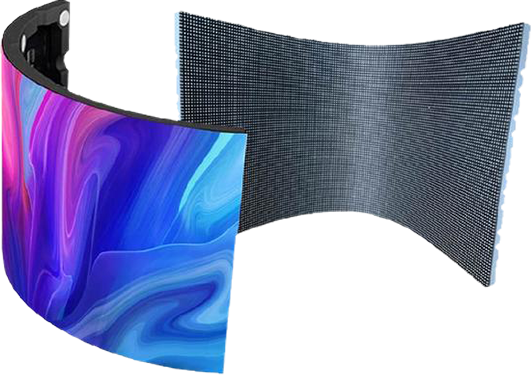
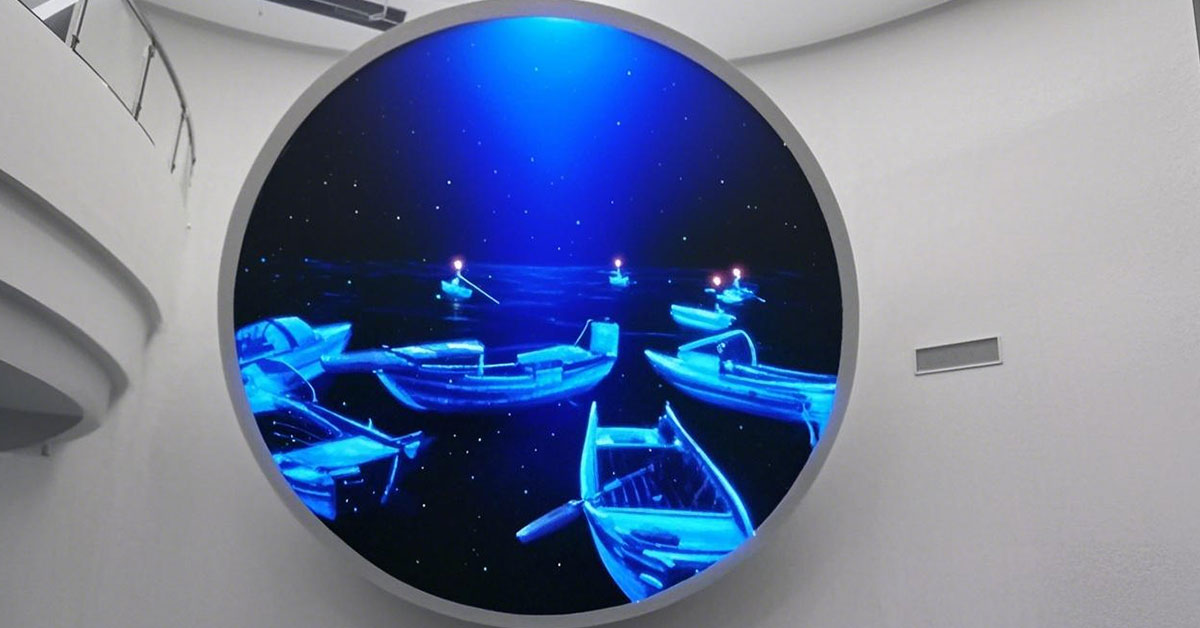
A curved LED display allows the screen to follow special structures, curved surfaces, and unique environments, creating a more immersive viewing experience.
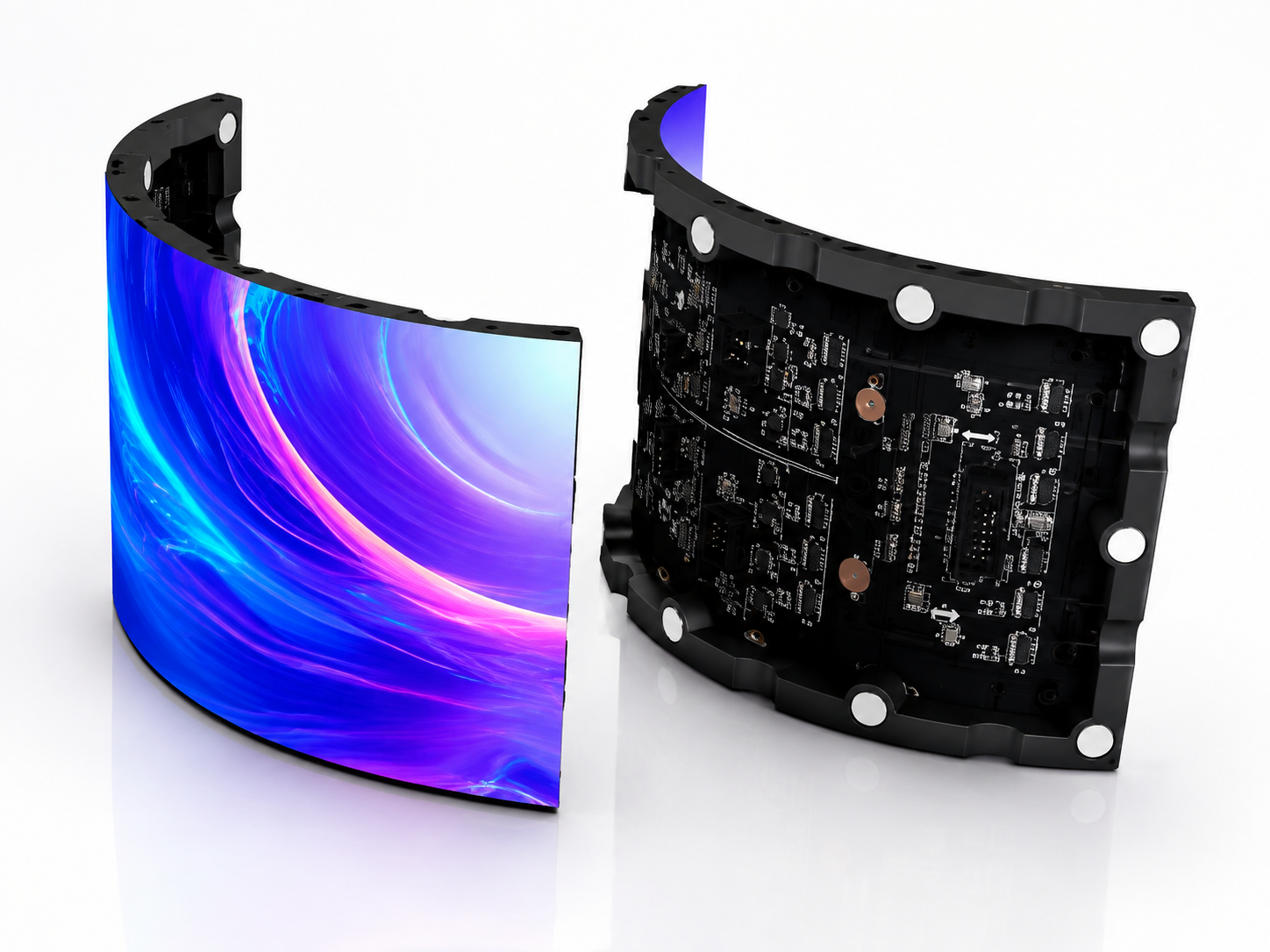
Compared with standard LED screens, a custom curved LED display requires more than simply changing the screen shape. It involves professional design, structural engineering, customized modules, manufacturing, testing, and installation.
From shopping malls and landmark buildings to entertainment venues and exhibitions, curved LED screens have become an important solution for projects that need both visual impact and architectural integration.
This article explains the complete curved LED display manufacturing process, from the first concept to final installation.
Every successful LED project starts with understanding the actual application requirements.
Before designing a curved LED display, engineers need to evaluate several factors.
The installation location determines the technical requirements.
For example:
Require:
high brightness
waterproof protection
durable cabinet structure
heat dissipation design
Usually focus on:
image quality
viewing distance
visual experience
creative design
For different environments, manufacturers need to provide different custom LED display design solutions.
Pixel pitch selection is also an important part of the design process.
A smaller pixel pitch is suitable for:
conference rooms
exhibitions
retail environments
A larger pixel pitch is commonly used for:
outdoor advertising
building facades
large viewing distances
The correct pixel pitch helps balance image quality and project cost.
Before choosing an LED solution, many customers compare curved LED displays with traditional flat LED screens.
Although both use LED technology, their applications and design possibilities are different.
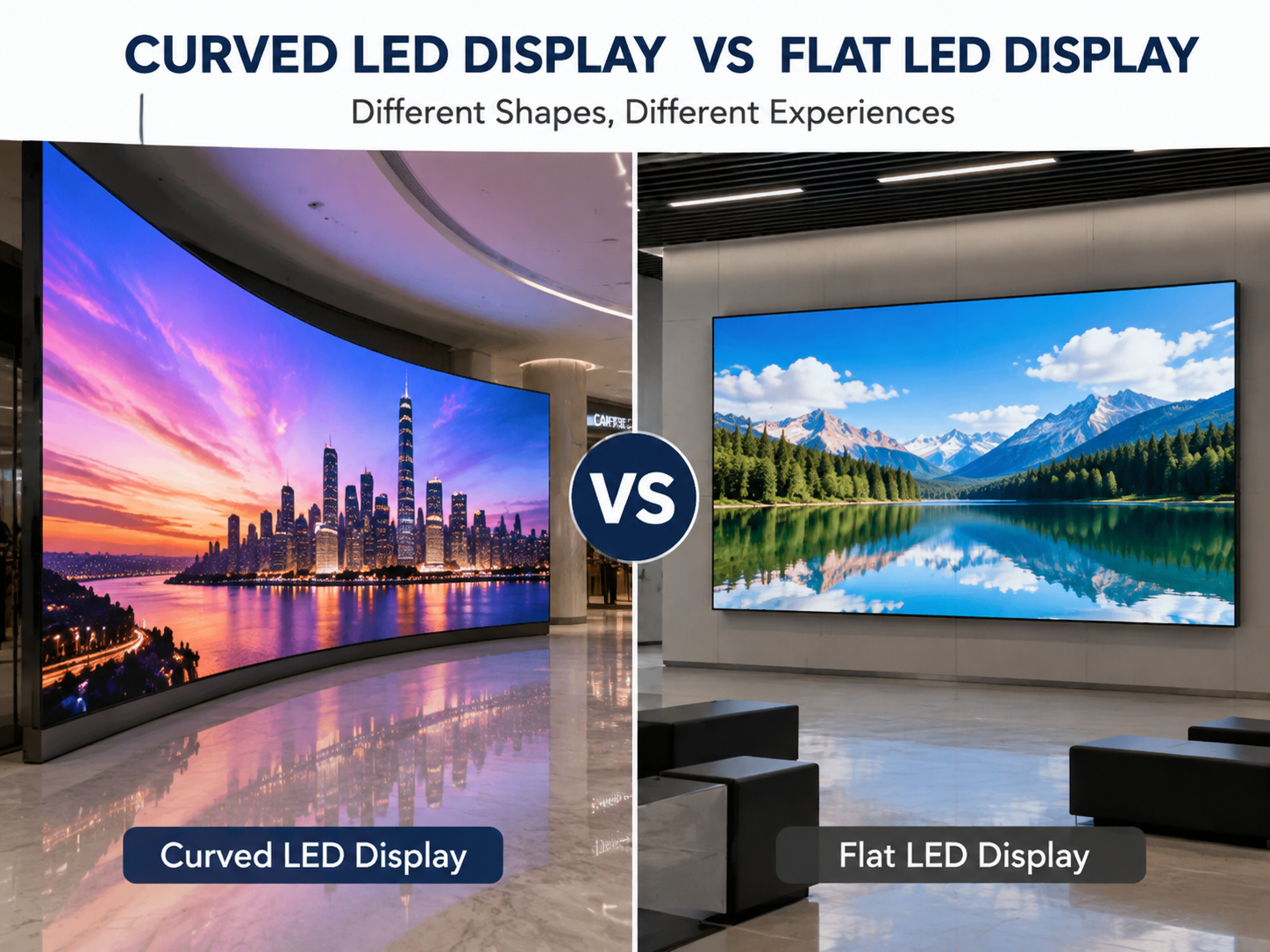
| Feature | Curved LED Display | Flat LED Display |
|---|---|---|
| Shape flexibility | Can create curved, arc, and creative structures | Mainly limited to rectangular designs |
| Architectural integration | Can match unique building structures | Better for flat installation surfaces |
| Viewing experience | Provides immersive visual effects | Standard viewing experience |
| Design possibility | Suitable for creative projects | Suitable for conventional displays |
| Customization | Requires customized modules and cabinet design | Usually uses standard products |
| Applications | Landmarks, retail, entertainment, exhibitions | Advertising boards, meeting rooms, standard displays |
A curved LED display is usually selected when a project requires stronger visual impact.
For example:
A shopping mall wants a unique attraction point.
A commercial building needs a digital facade matching its architecture.
An entertainment venue wants an immersive environment.
In these situations, a customized curved LED solution provides more design possibilities compared with traditional flat screens.
The design stage determines the final performance of the LED display.
Unlike standard screens, curved LED projects require detailed engineering.
Before production, engineers analyze:
screen dimensions
curvature radius
installation structure
viewing angles
3D design allows customers to confirm the appearance and structure before manufacturing.
The LED cabinet plays an important role in curved screen projects.
A properly designed cabinet ensures:
accurate screen shape
stable installation
easier maintenance
For outdoor projects, cabinet design also needs to consider:
waterproof performance
dust protection
long-term durability
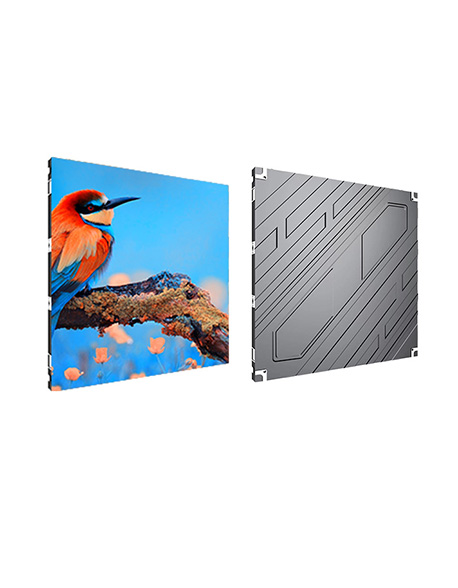
Different curved applications may require different module solutions.
Flexible LED technology allows manufacturers to create:
curved surfaces
arc-shaped displays
irregular structures
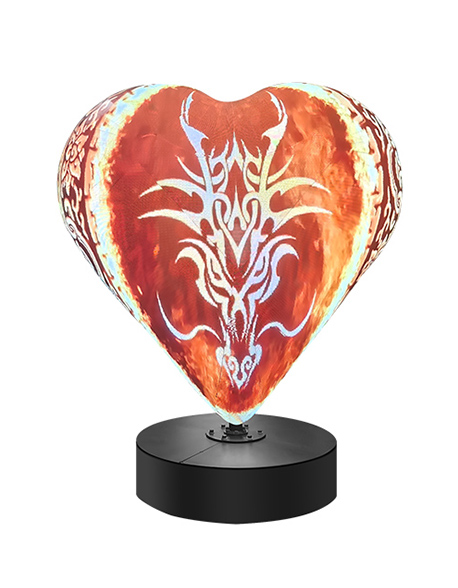
For projects requiring unique designs, Toosen provides custom shaped LED display solutions.
custom shaped LED display
After the design is approved, the project enters production.
The manufacturing process usually includes:
Customized LED modules are produced according to:
pixel pitch requirements
screen shape
application environment
Manufacturers need to ensure:
consistent brightness
accurate LED alignment
stable performance
The cabinet structure determines the accuracy and reliability of the final display.
The production process includes:
cabinet processing
module installation
wiring
system connection
For large outdoor curved LED screens, precise cabinet manufacturing is essential to achieve a smooth visual surface.
Before shipment, the display should complete:
aging testing
brightness testing
color calibration
signal testing
These processes help ensure reliable operation after installation.
Installation is another important stage of a curved LED display project.
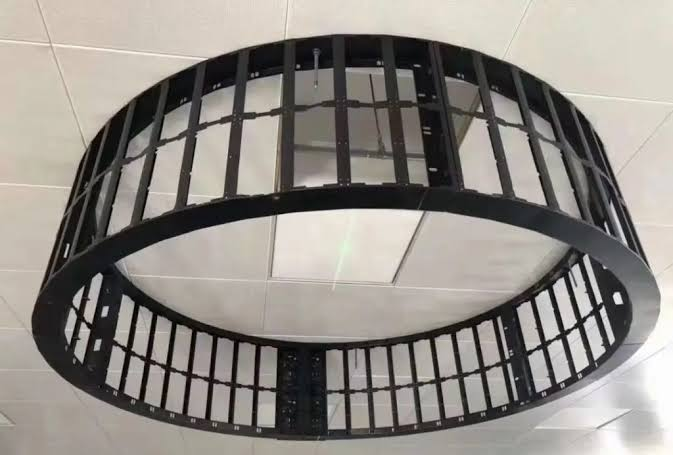
The supporting structure must match the project environment.
Professional installation helps avoid:
uneven screen surfaces
incorrect alignment
maintenance difficulties
After installation, engineers complete:
controller connection
video processor setup
screen calibration
content testing
The final result should provide stable operation and high-quality visual performance.
Curved LED technology is widely used in different industries.
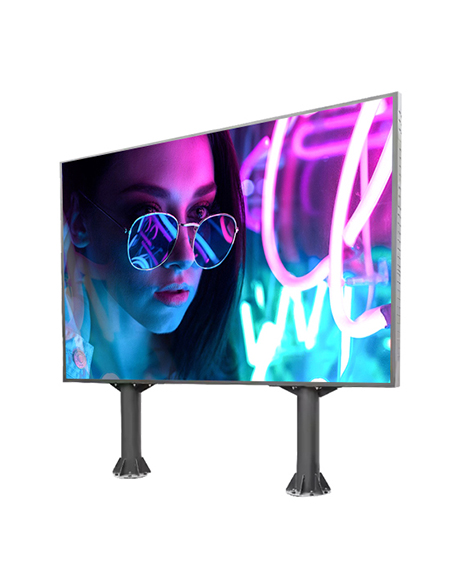
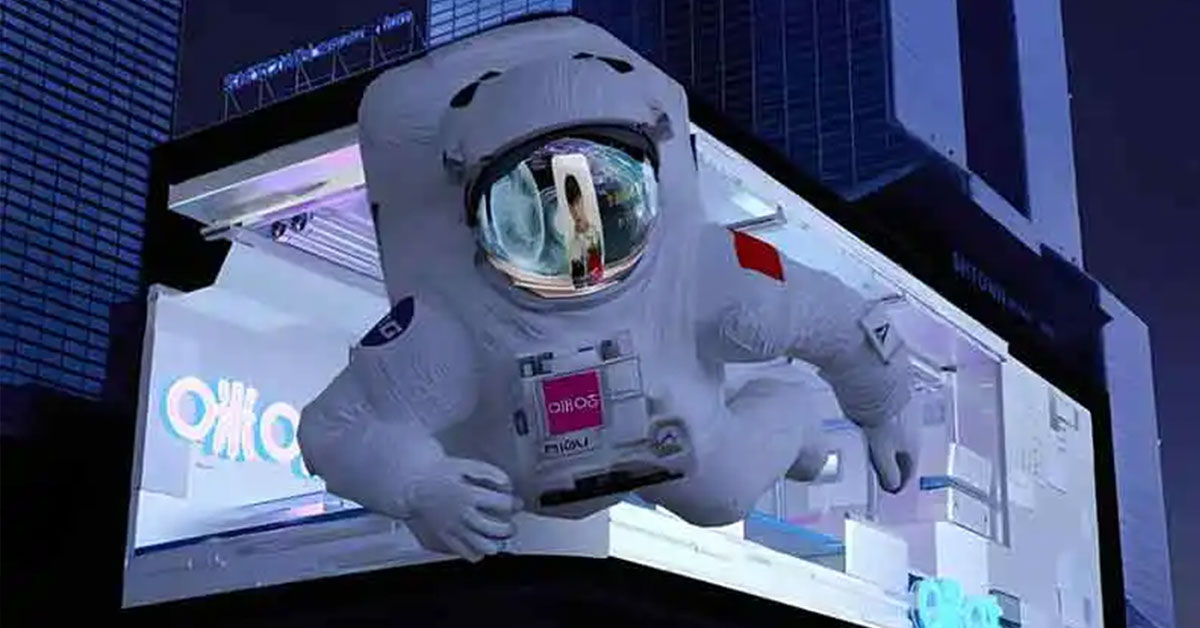
Outdoor curved LED screens can transform building surfaces into digital advertising spaces.
Common applications:
shopping malls
commercial buildings
landmark projects
Internal link:
Anchor text:
outdoor curved LED screen solutions
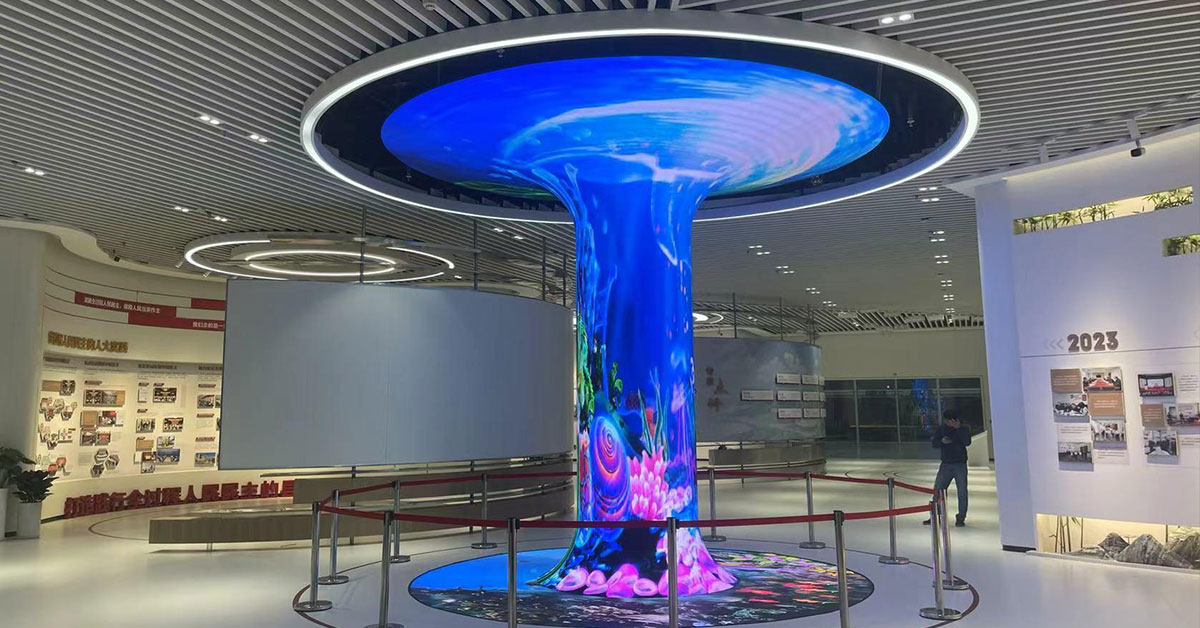
Creative LED displays help brands create stronger customer experiences.
Applications include:
curved walls
exhibition backgrounds
immersive installations
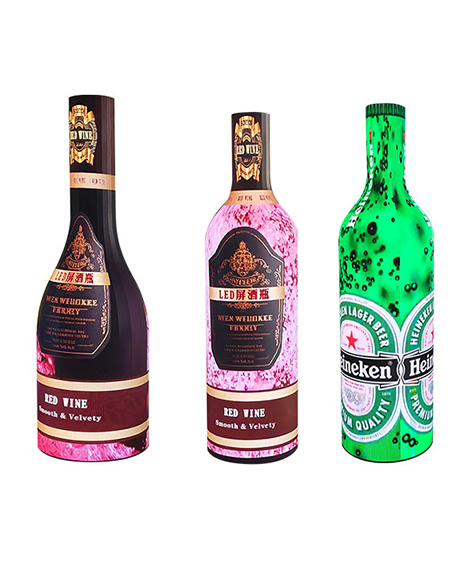
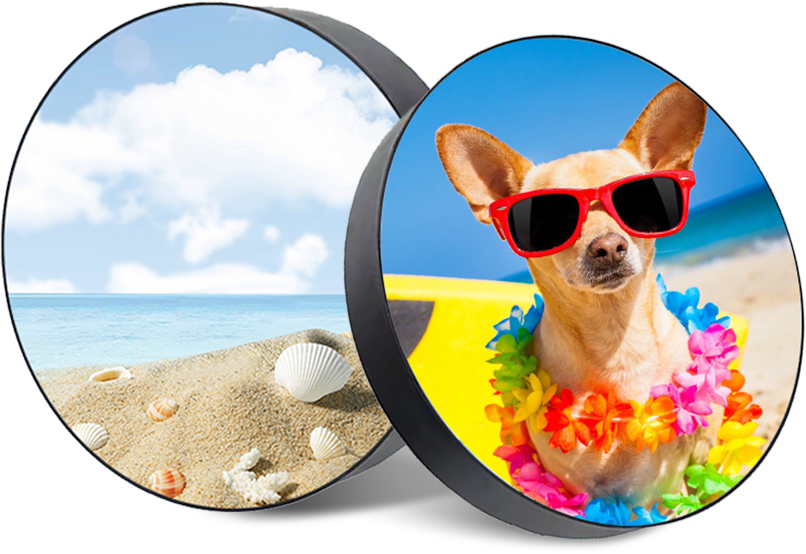
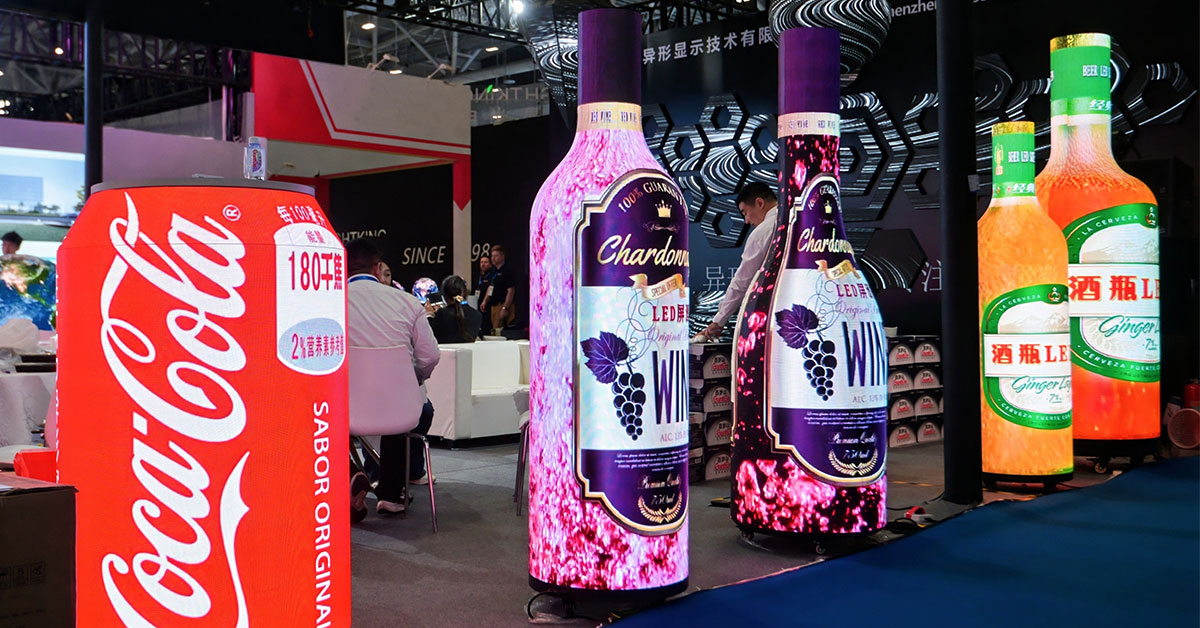
Beyond curved designs, customized LED technology can create:
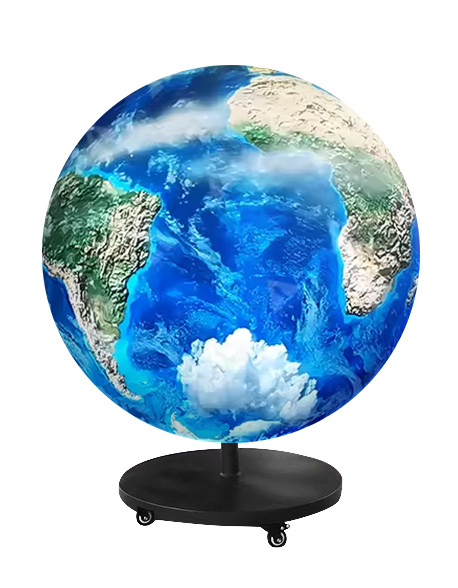
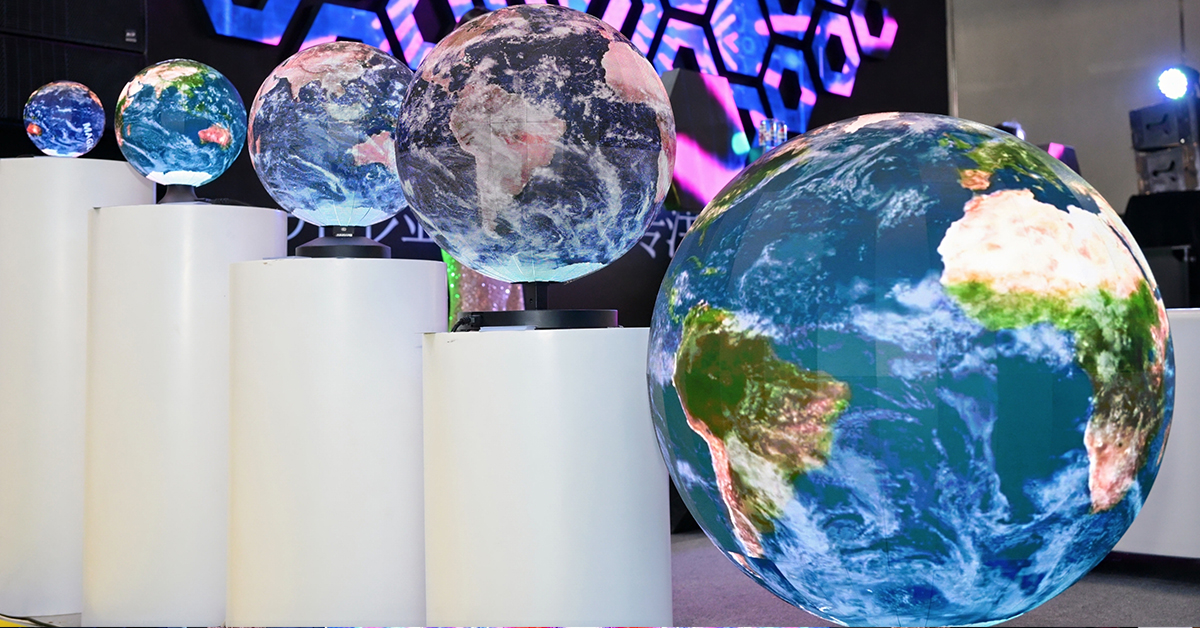
spherical LED displays
cylinder LED screens
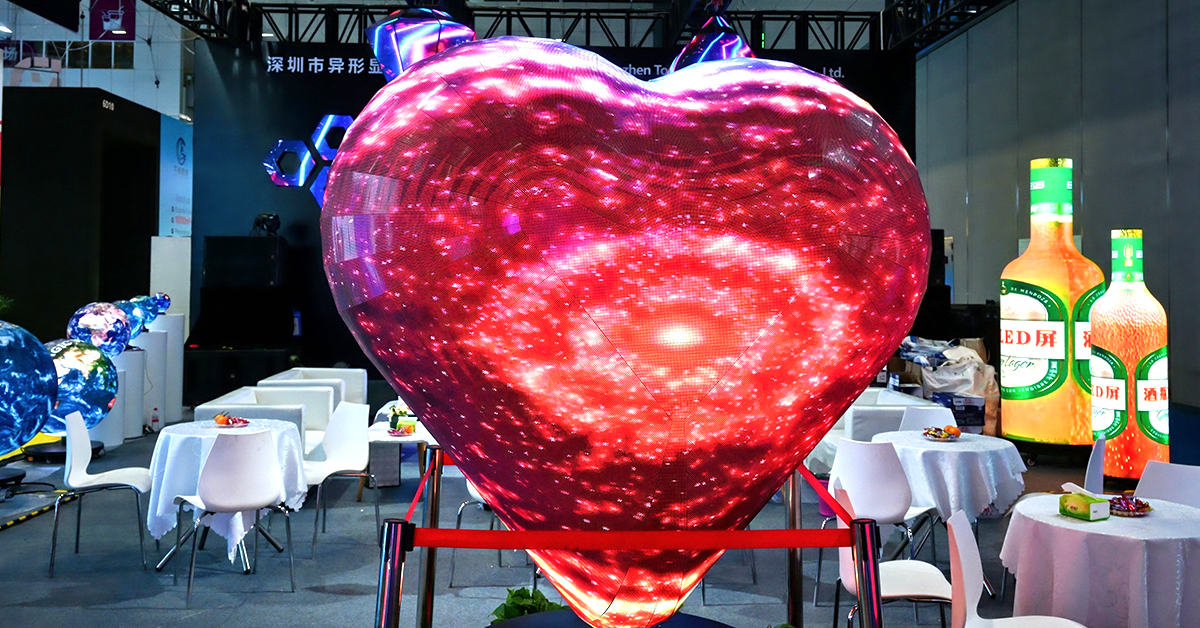
irregular LED displays
A curved LED project requires experience in:
LED technology
structural design
manufacturing
installation
A reliable supplier should provide:
From concept design to production, every project should receive a customized solution.
Professional manufacturers understand challenges including:
complex shapes
large structures
outdoor environments
Installation guidance and after-sales support help customers achieve long-term performance.
A curved LED display is not only a visual product but also a complete engineering solution.
From project analysis and custom LED display design to manufacturing, installation, and calibration, every stage affects the final result.
For businesses, architects, and designers who want unique visual experiences, curved LED screens provide more flexibility than traditional flat displays.
With professional design and manufacturing capabilities, creative LED display solutions can transform ideas into impressive digital experiences.
Looking for a customized curved LED display solution?
Contact Toosen to discuss your project requirements and receive a professional LED display proposal.
A curved LED display is an LED screen designed with a curved surface to fit special structures or create immersive visual effects.
Yes. Outdoor curved LED screens can be customized with high brightness, waterproof protection, and durable structures.
The process includes:
project analysis
design
module production
cabinet manufacturing
testing
installation
 +86 18688923792
  andy@tosled.com