
Company news


View: 11

Release time:2026-11-19
During APEC 2026 in Shenzhen, international trade, supply chain cooperation and innovation are important topics. The discussions also reflect a common challenge for manufacturers and buyers: how to work with reliable suppliers across different markets.
For LED display buyers, finding a supplier is only the first step. Comparing quotations can be more difficult than expected.
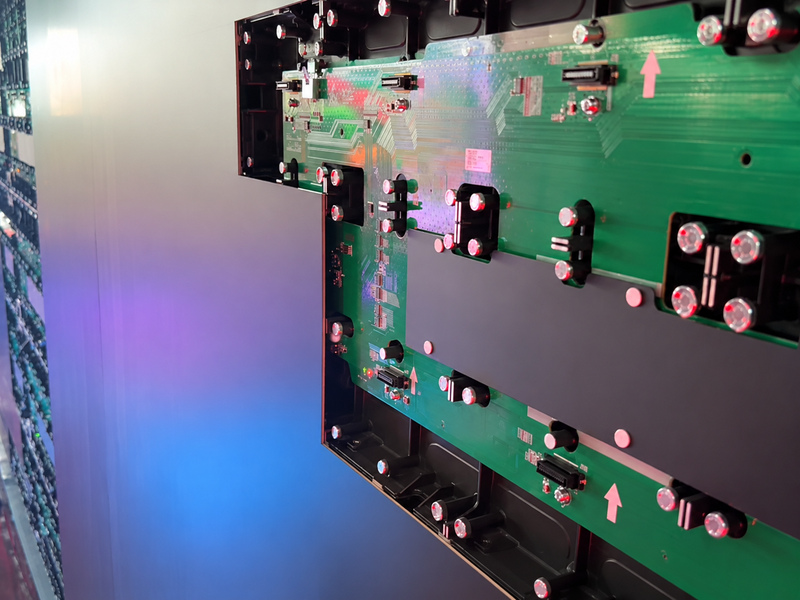
Two suppliers may offer the same pixel pitch and screen size, but their total prices can be very different. One quotation may include cabinets, receiving cards, power supplies and spare modules, while another only covers the basic display.
This is why buyers should not compare LED display supplier prices by total cost alone.
Before purchasing, every supplier should receive the same technical requirements. This makes the comparison clearer and helps buyers understand what they are actually paying for.
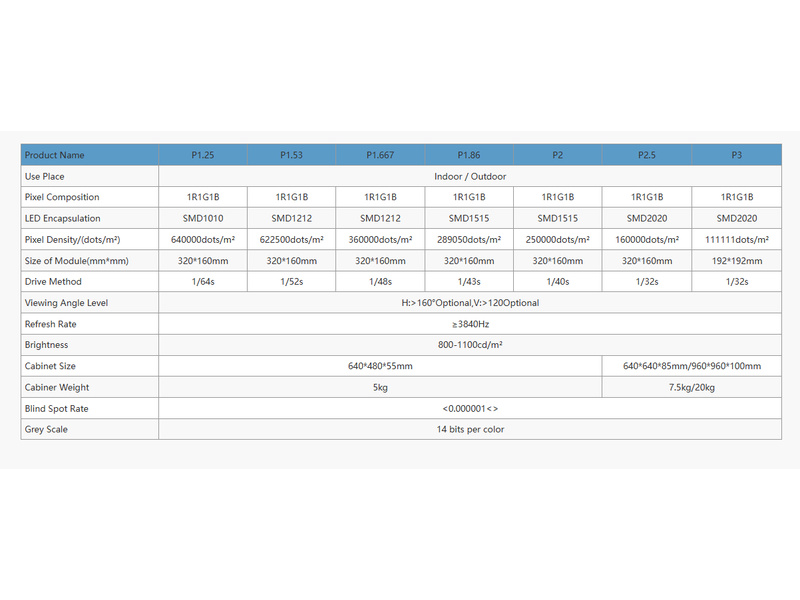
Pixel pitch is one of the first specifications to check.
For example, a P1.86 COB LED display and a P2.5 COB LED display have different pixel densities and viewing requirements. A smaller pixel pitch generally provides a sharper image at a shorter viewing distance, but it may also increase the purchase cost.
When requesting an LED screen quotation, buyers should confirm:
Pixel pitch, such as P1.25, P1.53, P1.86 or P2.5.
Total screen width and height.
Screen resolution.
Cabinet dimensions.
Installation method.
Indoor or outdoor application.
Make sure every supplier quotes the same screen size and pixel pitch.
Otherwise, a lower quotation may simply be based on a different product configuration.
Cabinet structure also affects the final quotation.
Different suppliers may use different cabinet materials, thicknesses, structures and connection designs. These differences can affect cabinet weight, installation, maintenance and transportation.
For COB LED displays, buyers should also pay attention to the packaging technology.
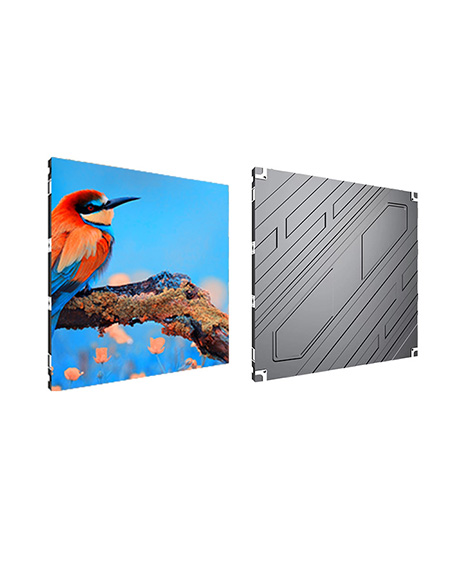
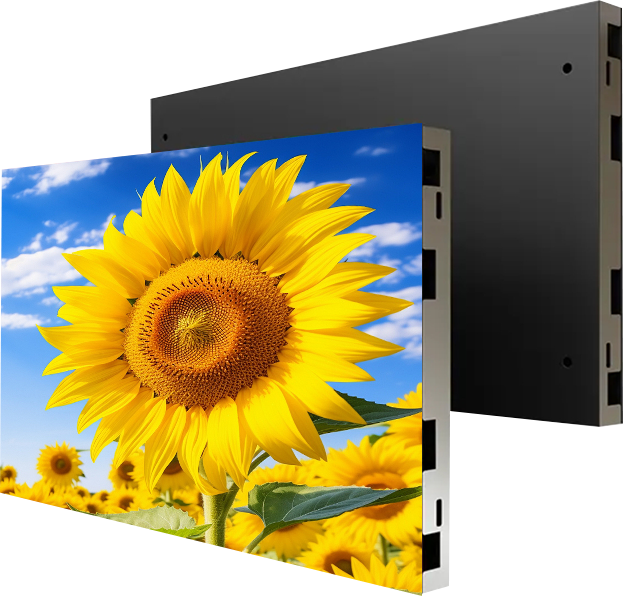
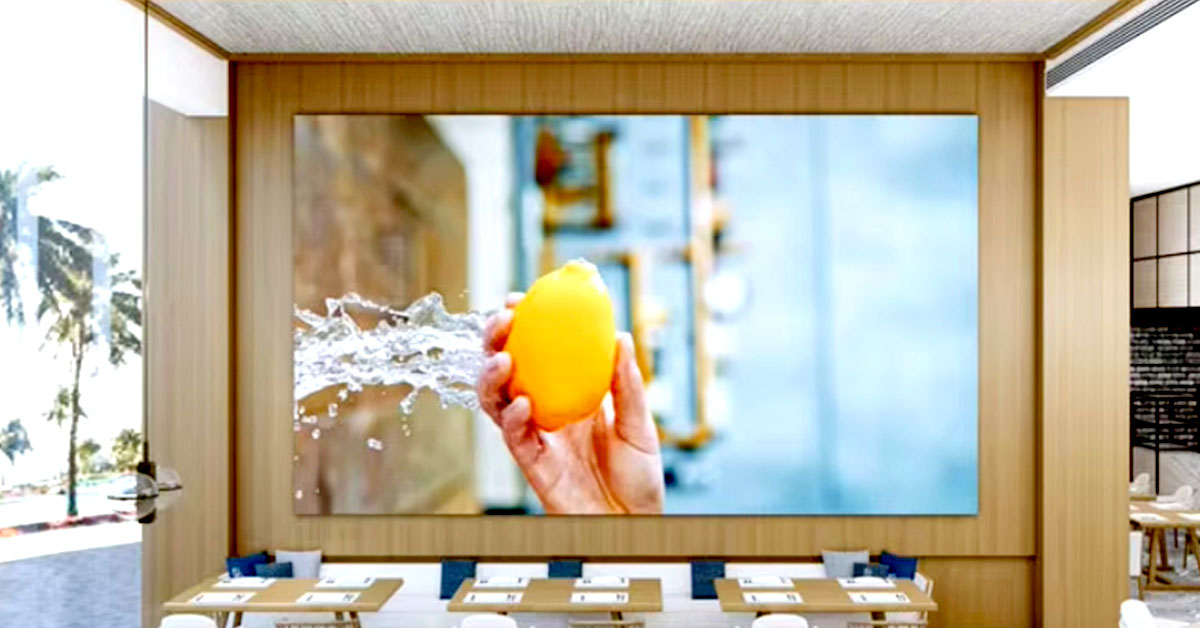
COB technology directly encapsulates LED chips onto the PCB surface. It provides a smooth display surface and improved protection against accidental impact, making it suitable for professional indoor environments.
When comparing suppliers, check:
Cabinet material and overall weight.
Module protection and surface finish.
Front or rear maintenance access.
Cabinet connection structure.
Flatness and alignment.
Heat dissipation design.
A lower price does not always mean better value if the cabinet structure is not suitable for the project.
Power consumption is another important part of an LED display quotation.
Some suppliers list maximum power consumption, while others provide average power consumption. These figures should not be treated as the same measurement.
Ask each supplier to provide both values, where available.
Also confirm:
Maximum power consumption per square meter.
Average power consumption per square meter.
Brightness in nits.
Refresh rate.
Grayscale performance.
Operating voltage.
For example, TOOSEN's COB LED display information highlights low power consumption, with a stated figure of up to ≤150W/㎡ for the listed product solution.
However, buyers should confirm the exact value for the selected model and configuration before placing an order.
A higher brightness requirement or different operating environment may also affect the final product selection.
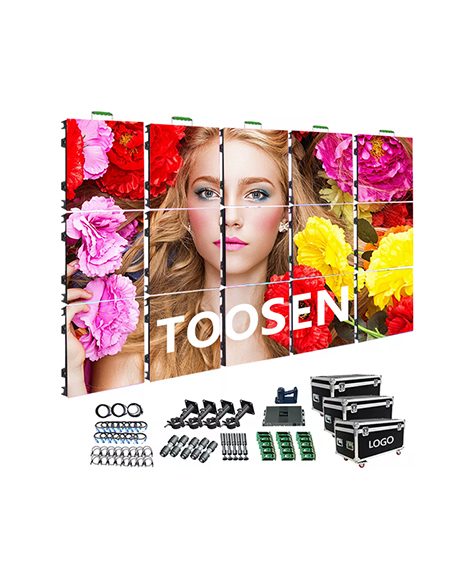
A complete LED video wall requires more than LED modules and cabinets.
The quotation should clearly list all included components.
These may include:
Receiving cards.
Sending controllers.
Power supplies.
Data and power cables.
Spare LED modules.
Connection accessories.
Installation components.
Control software.
Buyers should also confirm whether the control system supports the required resolution, input signals and display functions.
For COB LED display projects, compatibility between modules, control cards and receiving systems is especially important.
If one supplier includes the full control system while another does not, their total prices cannot be compared directly.
A good quotation should explain what happens after delivery.
Before signing a contract, buyers should check the warranty period, coverage, spare parts policy and technical support arrangements.
Important questions include:
How long is the product warranty?
Does the warranty cover modules, power supplies and control cards?
Are spare parts included?
Is remote technical support available?
How are replacement parts handled?
According to TOOSEN's published FAQ, the company provides a two-year global warranty starting from the date goods arrive at the destination port.
TOOSEN also states that every display undergoes a 72-hour aging test before shipment.
These details are worth including in a supplier comparison because after-sales support is part of the total purchasing value, not an optional extra.
Before making a final decision, buyers can use the following checklist to compare different suppliers.
| Comparison Item | What to Confirm |
|---|---|
| Pixel pitch | Same model and resolution |
| Screen size | Identical width and height |
| Cabinet | Material, weight and dimensions |
| Display performance | Brightness, refresh rate and grayscale |
| Power | Maximum and average consumption |
| Control system | Controller and receiving cards |
| Accessories | Cables, spare modules and connectors |
| Quality testing | Inspection and aging test |
| Warranty | Period and coverage |
| Delivery | Production time and shipping cost |
| Support | Technical assistance and replacement parts |
The most useful approach is to prepare one specification sheet and send it to every supplier.
Ask each company to fill in the same information. Any missing item should be marked clearly instead of being assumed to be included.
This makes an LED display supplier quotation comparison more transparent and reduces unexpected costs after ordering.
Choosing an LED display supplier is not only about finding the lowest price. It is about finding a manufacturer that understands your project and can provide the right product configuration.
TOOSEN is an LED display manufacturer specializing in research and development, production and customized display solutions.
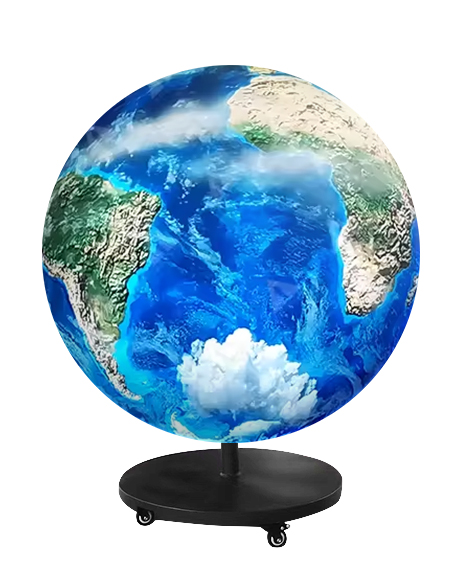
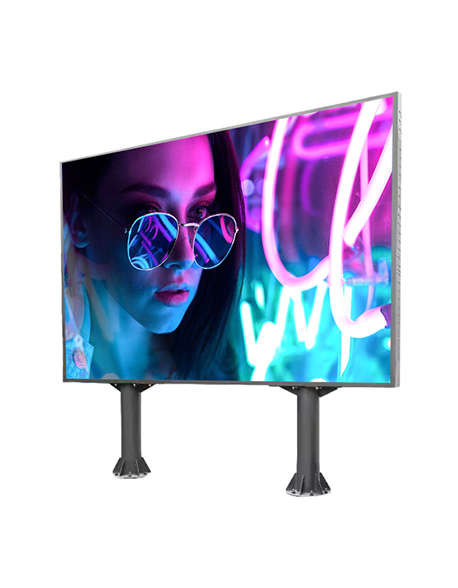
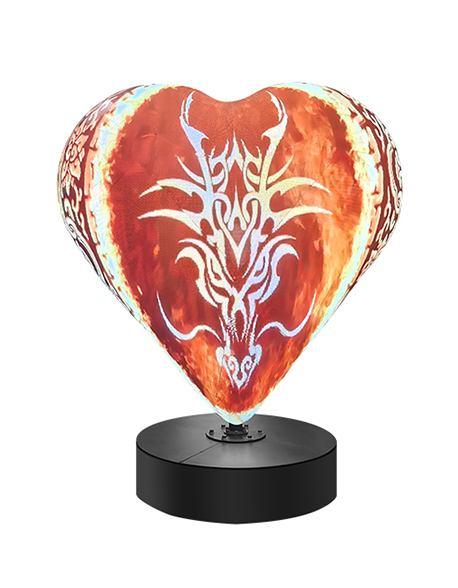
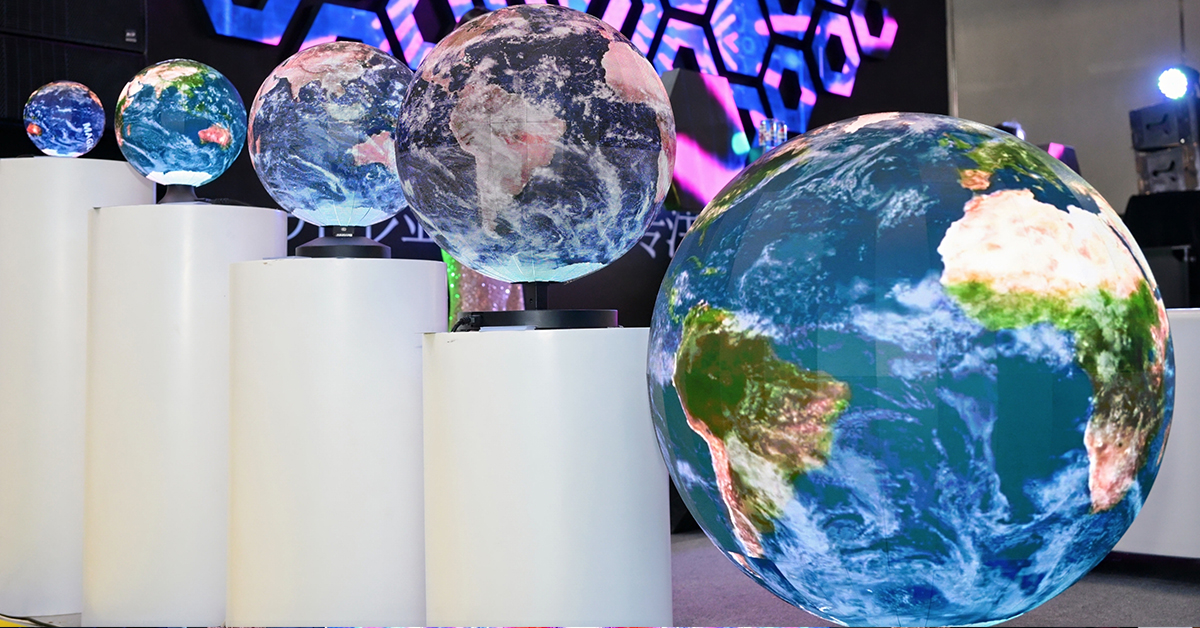
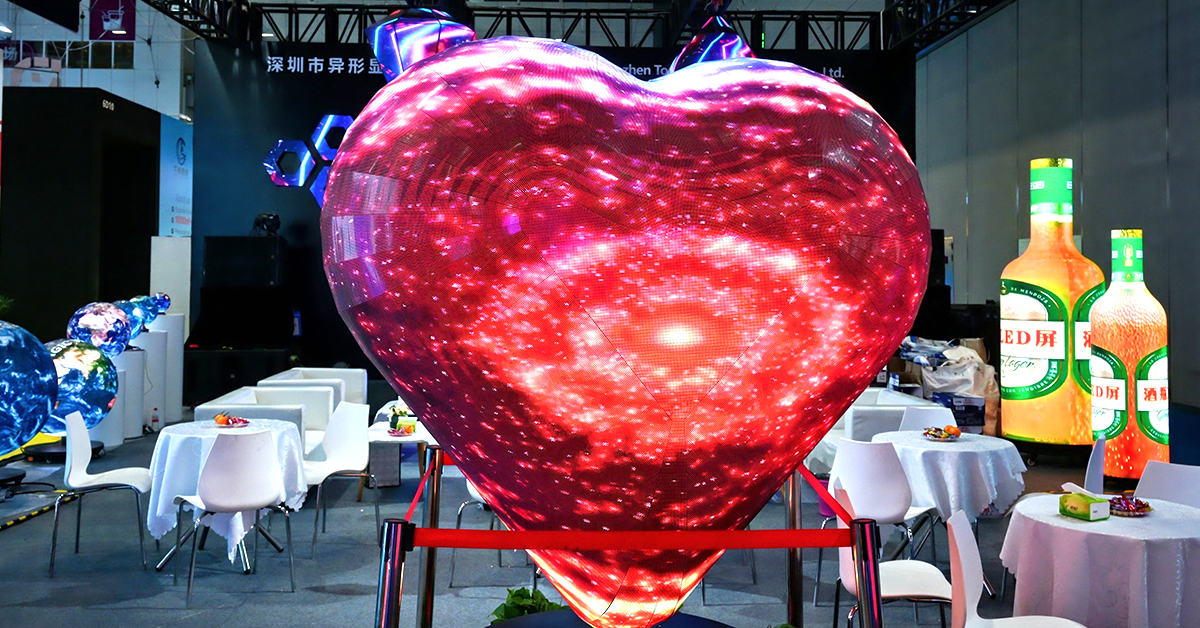
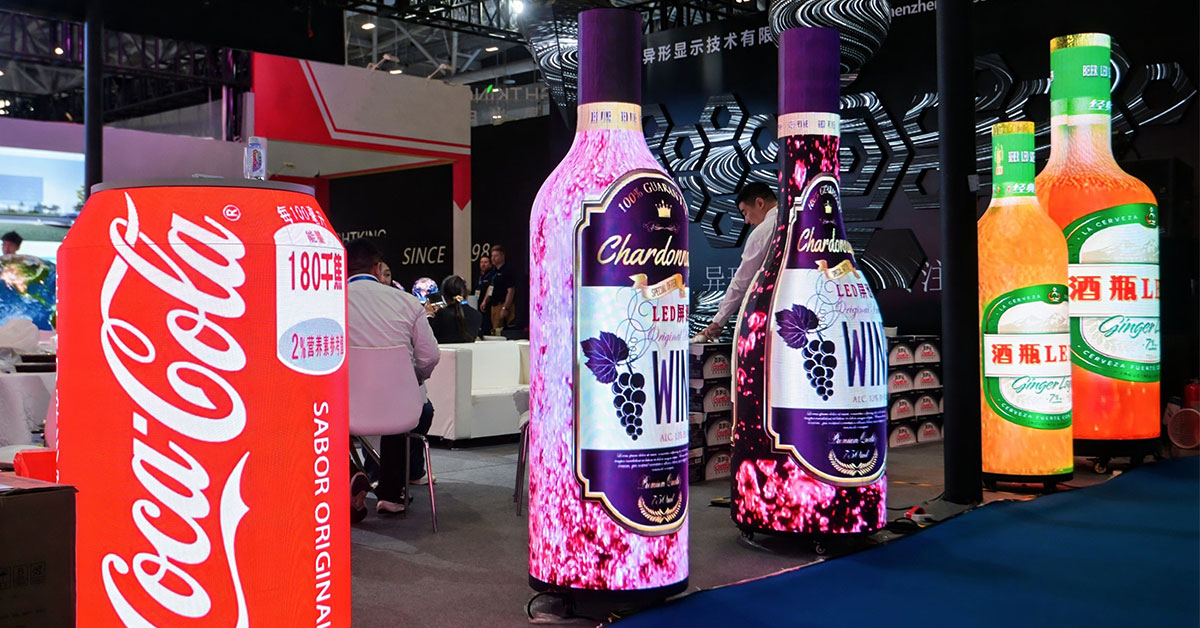
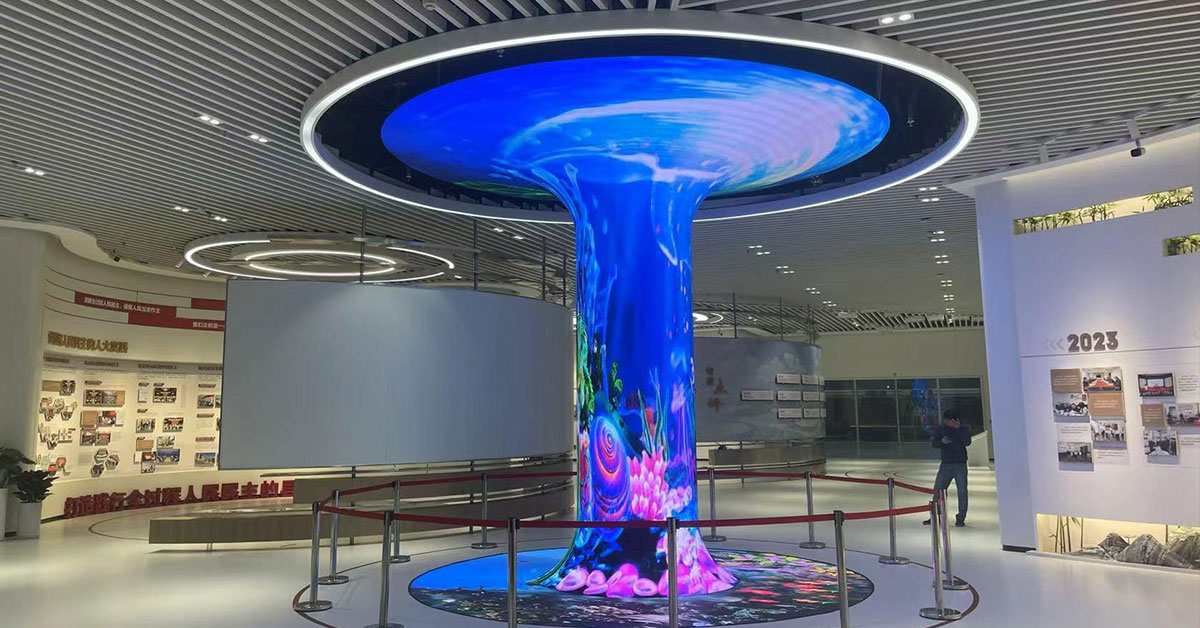
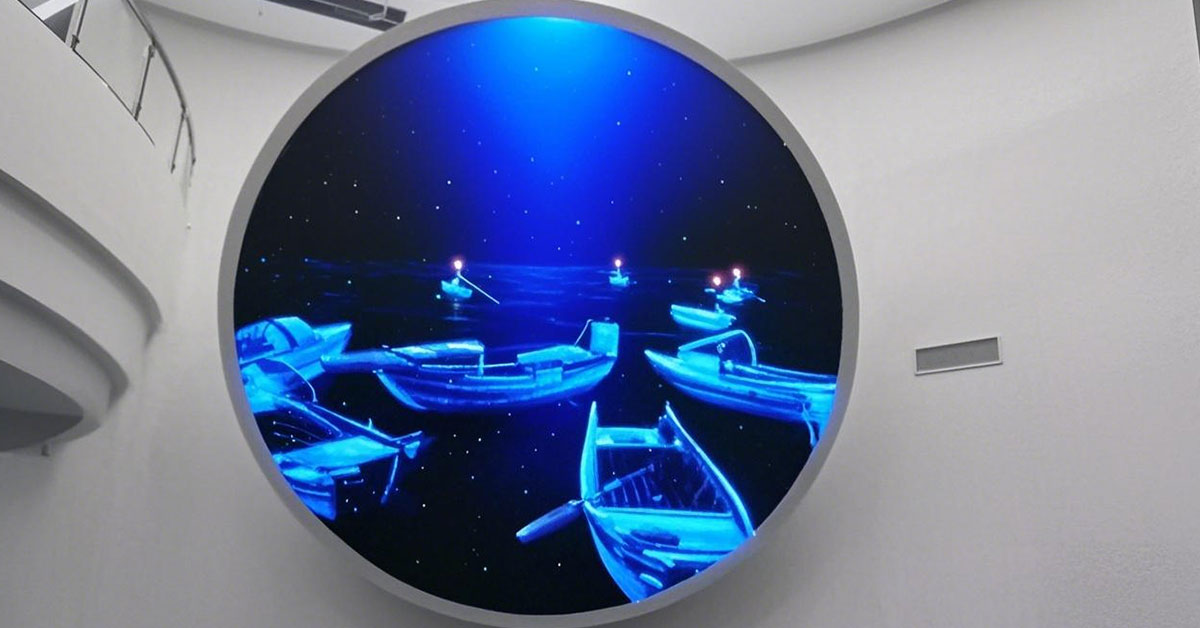
Our product range includes COB LED displays, indoor and outdoor LED screens, spherical LED displays and creative special-shaped LED displays.
For COB LED display buyers, we focus on product protection, display performance and stable operation. Our team can discuss different pixel pitches, screen dimensions and project requirements with customers before preparing a quotation.
We also welcome overseas distributors, engineering contractors and project buyers to visit our Shenzhen factory and learn more about our manufacturing process.
With product experience in international markets, TOOSEN aims to build long-term partnerships through clear specifications, reliable products and professional service.
Before comparing prices, compare the specifications. Before placing an order, understand exactly what is included.
Contact TOOSEN to discuss your COB LED display requirements and receive a quotation based on your project specifications.
TOOSEN – Professional LED Display Solutions for Global Markets.
 +86 18688923792
 andy@tosled.com