






Company news


View: 23

Release time:2026-10-17
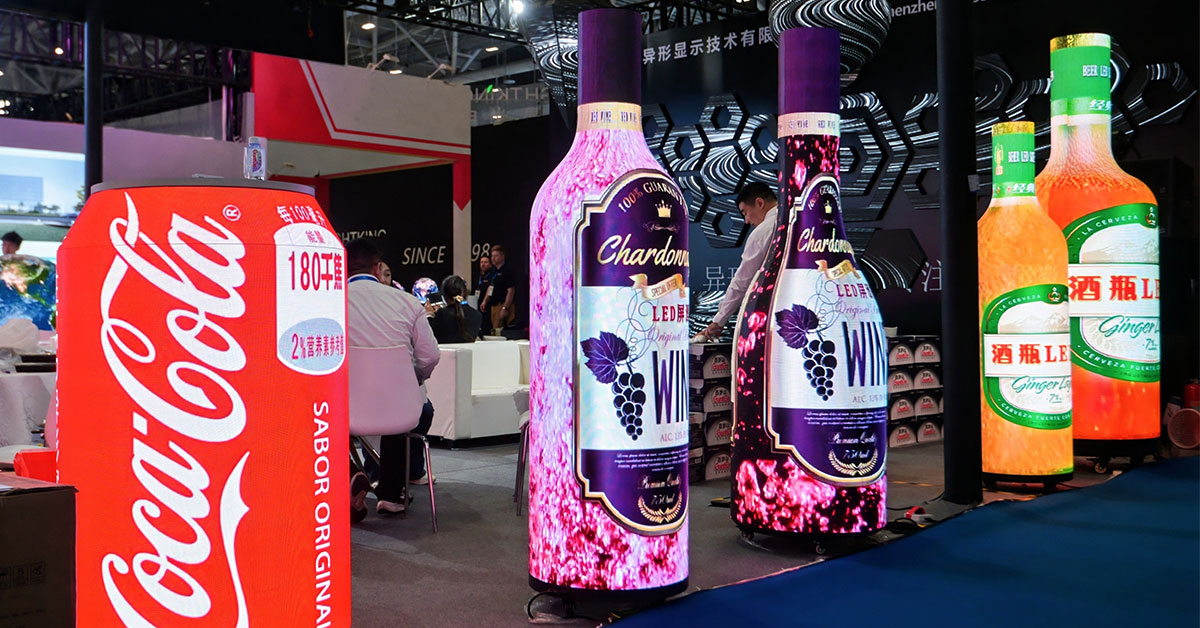
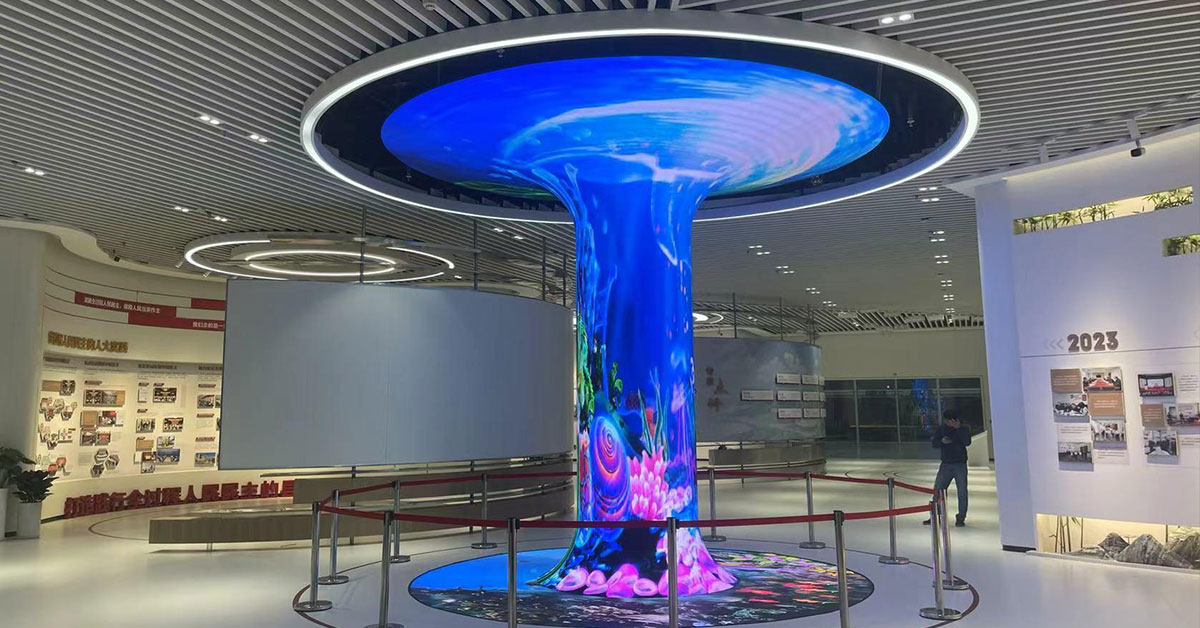
A can-shaped LED display is more than a screen. Its unique shape helps brands stand out in shopping malls, retail stores, exhibitions, and outdoor advertising spaces. However, maintaining this type of display over several years can be challenging, especially when replacement parts are not readily available.

Unlike standard flat LED screens, can-shaped LED displays often use custom cabinets, specially arranged LED modules, and structures designed for a specific project. If one component fails and no suitable spare is available, repairs may take longer than expected.
For long-term projects, can-shaped LED display spare parts planning should be part of the initial purchasing process, not something considered only after a problem occurs.
A small component failure can affect the performance of the entire display. A damaged LED module may create a dark area, while a faulty power supply can cause part of the screen to stop working.
The impact depends on the location and purpose of the display. For a retail brand, a screen that is not working properly can weaken its advertising presentation. For a shopping mall or public installation, visible display problems may affect the visitor experience.
There are also financial risks. Emergency shipping, repeated troubleshooting, and extended maintenance work can increase operating costs. In some cases, finding a replacement that matches an older custom design is more difficult than expected.
A planned spare parts inventory helps reduce these risks and keeps maintenance work more manageable.
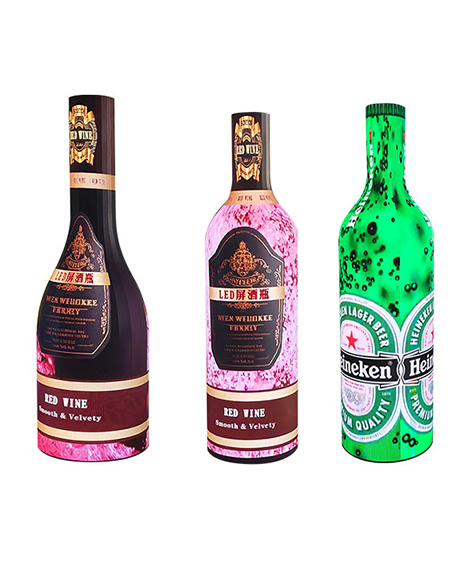
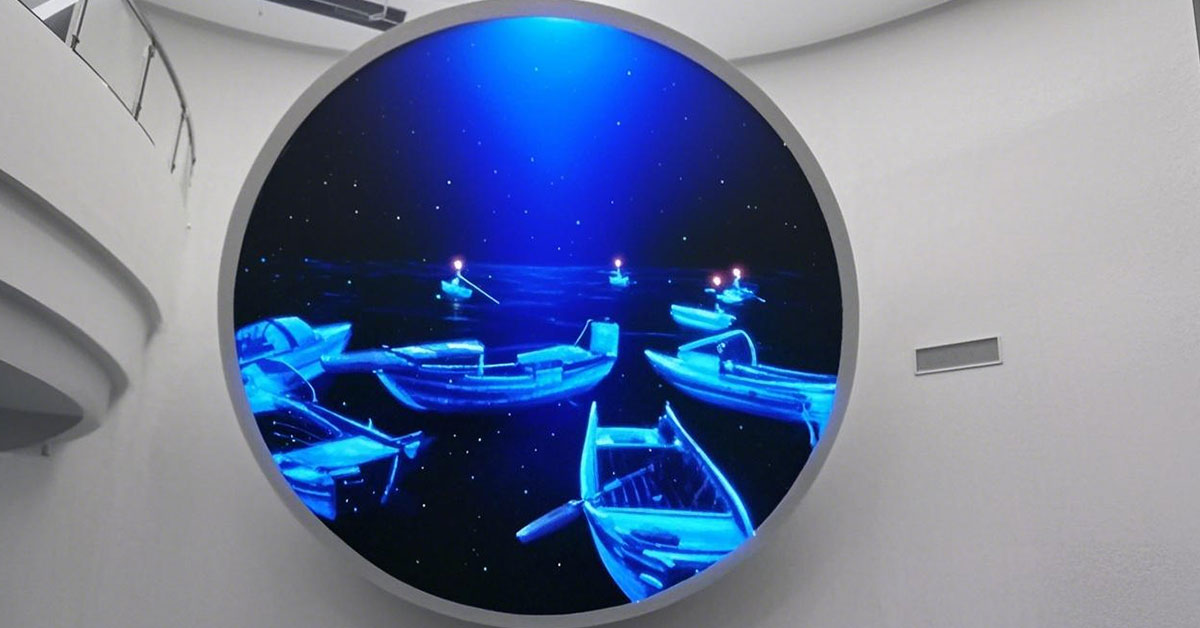
The main challenge is customization. Bottle-shaped LED displays may have different diameters, heights, pixel pitches, module layouts, and internal structures. Parts that look similar are not always interchangeable.
Product specifications can also change between production batches. Even when two displays have similar dimensions, their LED modules, receiving cards, connectors, or power systems may differ.
Long-term projects face another challenge: availability. After several years, the original component may be discontinued or replaced by a newer version.
For these reasons, project teams should keep a complete record of the original display configuration, including model numbers, technical drawings, wiring diagrams, and control system details.
A good inventory should balance maintenance needs, replacement lead times, and storage costs. Buying too many parts ties up money, while keeping too few can increase downtime.
1. Identify critical components
Start with the parts most likely to affect normal operation:
LED modules: Keep compatible modules for repairing dead pixels, color differences, or damaged display areas.
Power supplies: Prepare matching units to replace failed power components.
Receiving cards and control components: Confirm the exact model and compatibility with the existing control system.
Power and signal cables: Keep suitable connectors, cables, and adapters for common connection problems.
Structural parts: Consider mounting brackets, fasteners, and custom cabinet components that may be difficult to reproduce.
The required quantities depend on project size, operating hours, environmental conditions, and supplier lead times.
2. Set inventory priorities
Not every part needs the same stock level. High-impact components with long replacement lead times deserve more attention. Standard cables and commonly available fasteners may require less stock, while unique modules or custom structural parts may need to be reserved specifically for the project.
For a large installation, the maintenance team can prepare a spare parts list with three levels: essential parts for immediate repairs, regular replacement items, and special parts that can be ordered when needed.
3. Confirm compatibility before ordering
Never select replacement parts based on appearance alone. Check the pixel pitch, module dimensions, voltage, current, connector type, control system, and mechanical mounting requirements.
For custom-shaped displays, confirm whether the replacement module fits the original curved or cylindrical arrangement. Keep supplier part numbers and approved replacement records to prevent ordering mistakes.
Having spare parts in stock does not guarantee that they will work when needed. Each delivery should be checked against the purchase order and original specifications.
Where appropriate, test LED modules for brightness, color consistency, and normal operation. Check power supplies and control components according to their technical requirements. Record the inspection results and label each part with its model, purchase date, and compatible display.
Storage conditions also matter. Keep electronic components in suitable packaging, protect them from moisture and static electricity, and avoid excessive heat. For long-term projects, review stored inventory regularly and check whether the manufacturer has announced product changes or end-of-life plans.
A simple digital inventory record can track stock quantities, installation locations, repair history, and reorder points. This makes future maintenance easier to plan.
Imagine a retail brand installing a can-shaped LED display in a shopping mall for a campaign that will run for several years. The display uses custom-shaped modules and a dedicated control configuration.
Before installation, the project team records the module and power supply models, keeps a set of compatible replacement modules, and prepares spare cables and critical control components. The team also stores technical drawings and testing records.
If a module fails during a later campaign, the maintenance team can identify the correct part and replace it without starting the selection process again. The exact repair time will depend on access, diagnosis, and installation conditions, but proper preparation can reduce avoidable delays.
This approach is useful for retail displays, brand experience centers, exhibitions, and other projects where a distinctive screen needs to remain operational over time.
How many spare parts should a can-shaped LED display project keep?
There is no single quantity suitable for every project. Consider the total number of modules, expected operating hours, environmental conditions, component failure history, and supplier delivery time. Your display manufacturer can help develop a project-specific spare parts list.
Should spare parts be purchased with the display?
Yes, this is often the most practical approach for custom-shaped LED displays. Ordering compatible parts during the original production stage makes it easier to confirm specifications and avoid future compatibility problems.
How can I reduce the risk of obsolete components?
Keep detailed product records, confirm the expected availability of critical components with the supplier, and ask about compatible replacement options before the original parts are discontinued.
Successful spare parts planning starts with a clear understanding of the display structure and the components used in production. A reliable supplier should be able to provide technical documentation, confirm replacement compatibility, and offer practical after-sales support.
TOOSEN specializes in customized LED display solutions, including can-shaped and other special-shaped LED screens. Its services cover product customization, manufacturing, engineering support, and after-sales assistance.
When planning a long-term project, discuss spare parts requirements with TOOSEN before production is completed. Confirm which components should be reserved, how replacements will be identified, and what technical information should be kept for future maintenance.
A well-planned inventory cannot prevent every failure, but it can make repairs easier to manage, reduce unnecessary purchasing, and support more reliable display operation over the years.
For customized display solutions, visit TOOSEN.
 +86 18688923792
  andy@tosled.com